

SolarSME, Inc.
Solar Battery Storage to Keep Your
Power on When It Matters Most
Turn excess solar into reliable energy for evenings, peak demand & unexpected outages
Solar panels can produce more electricity than you need while the sun is shining. The tricky part comes when the sun sets or when the grid goes down.
A solar battery storage system can change this.
Energy storage allows you to make better use of solar energy by storing excess electricity during daytime and utilize it when you need it. This can help homeowners, businesses, farms, and commercial properties to reduce dependence on the grid, manage your energy bill and keep your lights on when there is no grid power available.
Solar SME is a certified battery installer with 10+ years of experience in providing residential and commercial solar and backup solutions. We design and install custom battery backups that are based on your electricity needs, current solar system, type of property, utility regulations and backup requirements. Whether you are looking for battery storage for the home, whole house backup or commercial battery storage for peak demand management, we offer you a battery backup system to fulfill your power needs and maximize your investment.
Why Add Battery Storage When You Already Have Solar?
Your panels may produce their most energy around midday, while your home or business uses more electricity in the evening. Furthermore, electricity rates are also usually higher at peak times, so instead of exporting the electricity generated by your solar panels is more beneficial as compared to buying your electricity at a much higher utility rate. Also, severe weather might also affect the grid anytime it leads to long power outages during time when sun is not shining. Energy storage allows you to store electricity rather than feed it into the grid. In these scenarios, a reliable battery storage gives you another option: store energy instead of immediately sending it back to the grid.
Peak-Hour Electricity Can Cost More
In cases where there are time-of-use rates, electricity becomes more costly during specific peak periods. Instead of relying entirely on the grid during those hours, a battery can discharge stored energy to offset some of your electricity consumption.
On the other hand, if you run a business, demand charge is a consideration in the calculation. A properly sized commercial battery energy storage system can help reduce certain demand peaks by supplying stored power when loads rise. The actual savings depend on your utility tariff, load profile, battery size, operating strategy, and applicable program rules.
Power Outages are Becoming a Bigger Energy-Resilience Problem
A short outage is inconvenient. However, if it lasts for a long period, you might experience problems with refrigeration, HVAC, medical equipment, communication, security systems, pumps, networking equipment, manufacturing equipment, and business operations.
However, a solar battery backup system will automatically disconnect itself from the utility grid and supply electricity to specific loads when the grid fails.
When paired with solar, the system can also recharge from available solar production, subject to system design, battery capacity, inverter limits, weather, and the equipment’s backup configuration. The goal isn’t simply to have a battery. It’s to keep the right loads operating for as long as possible.
Excess Solar Isn't Always Worth the
Same as the Electricity You Buy
When your solar system generates more electricity than your property needs, you can feed the excess power back to the utility grid through net metering and earn some credits in return. However, the value of exported electricity depends on your utility company’s compensation plan.
In case your power export rate is less than the retail price, using more of your own solar energy can become increasingly valuable. Using solar batteries as energy storage helps you to shift some of your solar production from midday to evening or other periods of higher demand.
Solar + Battery Storage: How Does it Actually Work?
Electricity generated from solar panels comes in the form of direct current (DC). While the loads usually work with alternating current (AC). Battery system, inverters, energy management system and transfer/islanding equipment help manage flow of electricity between solar arrays, battery, the property and the grid.
A typical solar-plus-storage system can operate in several modes:
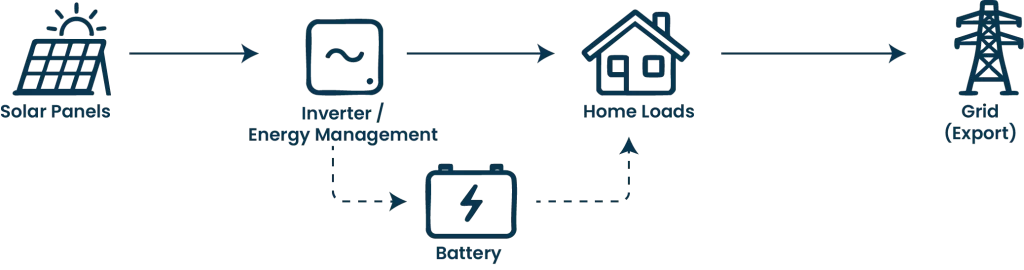
Solar production → property loads → battery charging → grid export
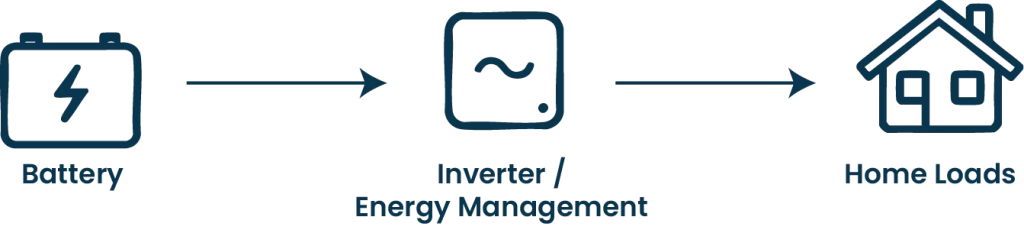
When solar production falls:
Battery → inverter → property loads
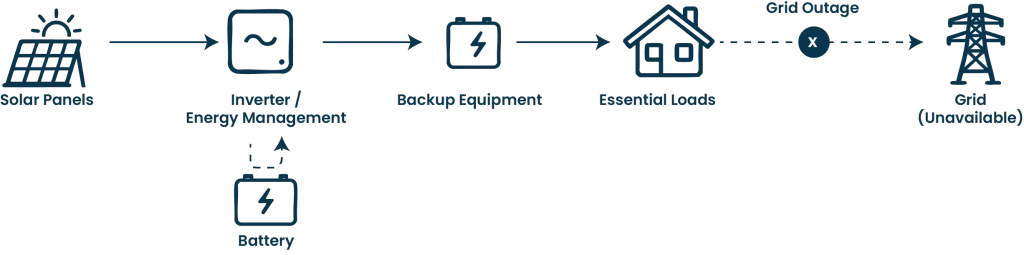
During a grid outage:
Solar + battery → backup equipment → designated property loads
The exact configuration depends on whether the system uses AC coupling, DC coupling, the type of inverter architecture, and whether it is being installed with new solar or added to an existing PV system.
AC-Coupled vs. DC-Coupled Battery Storage
The design matters, especially when you install solar batteries to the existing solar system. But, one of the main technical decisions in battery installation is coupling between the battery system and the solar power supply.
AC-Coupled Battery Systems
In an AC-coupled system, solar electricity is converted to AC through the solar inverter before energy moves through the electrical system. A battery system can then convert that AC electricity back to DC for storage and convert it to AC again when the stored energy is discharged.
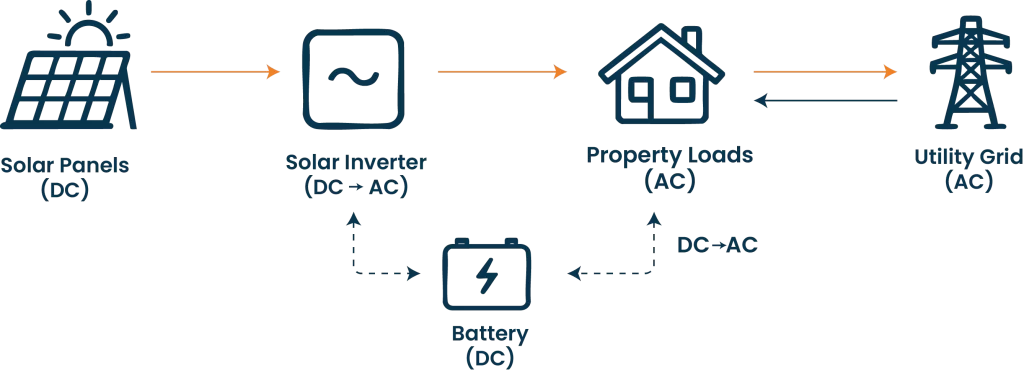
- Why can AC coupling make sense?
AC coupling can be particularly useful when adding battery storage to an existing solar installation because the existing solar inverter may remain part of the system. It can provide flexibility for retrofits and can be a practical approach when the existing PV system was not originally designed around battery storage.
DC-Coupled Battery Systems
With DC coupling, electricity from the solar array can flow directly into the battery on the DC side before being converted to AC for property loads.
This can reduce the number of conversion steps between solar generation and battery charging.

- Why does DC coupling make sense?
DC-coupled architecture can be attractive for new solar + battery installations, particularly when the solar inverter and battery system are designed to operate together. It can also provide an efficient pathway for capturing solar energy before it is converted to AC.
AC-Coupled vs. DC-Coupled Backup Storage: Which One is Better?
| Consideration | AC-Coupled | DC-Coupled |
|---|---|---|
| Existing solar retrofit | Often a strong option | May require more system compatibility |
| New solar + storage | Excellent option | Often attractive |
| Existing PV inverter | Can potentially be retained | May require compatible architecture |
| Conversion path | Multiple conversion stages | Can reduce conversion stages |
| Design flexibility | Strong for many retrofits | Strong for integrated new systems |
| Best approach | Depends on existing equipment | Depends on system design |
How Much Battery Storage Do You Actually Need?
Sometimes bigger isn’t necessarily better. Battery sizing should start with your loads, energy consumption, backup priorities, and solar production, not with a battery manufacturer’s advertised capacity. Two properties using exactly the same solar systems can have very different battery storage needs.
1. Start With Your Energy Usage
Review your electricity bills and consumption intervals and understand how much energy you use and when you use it. This will help you to determine your battery size, your inverter output, and your backup design.
2. Decide What You Want the Battery to Do
Then, find out if you want your solar batteries to store excess energy, serve as a backup for essential circuits, or serve the whole property as a backup system. Businesses may also need to support critical equipment, peak loads, operating schedules, and longer outages. These requirements help determine the battery capacity, inverter output, and overall backup configuration needed.
3. Look at Power Output, Not Just kWh
This is one of the most important battery-shopping distinctions.
kWh = How Much Energy
Usable capacity tells you approximately how much stored energy the battery can provide.
kW = How Much Power
Continuous output tells you how much electrical power the system can provide at one time.
A battery can have substantial energy capacity but still be unable to operate several large loads simultaneously if its power output is insufficient.
For example, starting an air conditioner can require substantially more instantaneous power than simply keeping lights or electronics running.
Battery sizing is both an energy calculation and a power calculation. Solar SME sizes backup storage around both energy and power requirements.
The Battery Specs That Actually Matter
When comparing solar batteries, don’t stop at advertised capacity. Consider the below factors:
Usable Capacity
How much stored energy is actually available for use.
Continuous Power Output
How much power the battery/inverter can provide continuously.
Peak or Surge Capability
Important for motor-driven loads such as HVAC equipment and pumps.
Battery Chemistry
Many current systems use lithium iron phosphate (LFP), while product architectures vary.
Depth of Discharge
How much of the battery's stored energy can be used within the manufacturer's operating specifications.
Round-Trip Efficiency
How much energy remains available after charging and discharging losses.
Warranty
Review both warranty duration and throughput/capacity-retention conditions.
Backup Configuration
Does it support essential-load backup, whole-home backup, or a larger commercial configuration?
Best Battery Storage Options for Your Home
Solar SME is proud to be the partner of industry-leading brands for providing premium quality and efficient solar solutions to customers. We help you to choose the best fit, affordable, and efficient solar energy battery storage for your home.
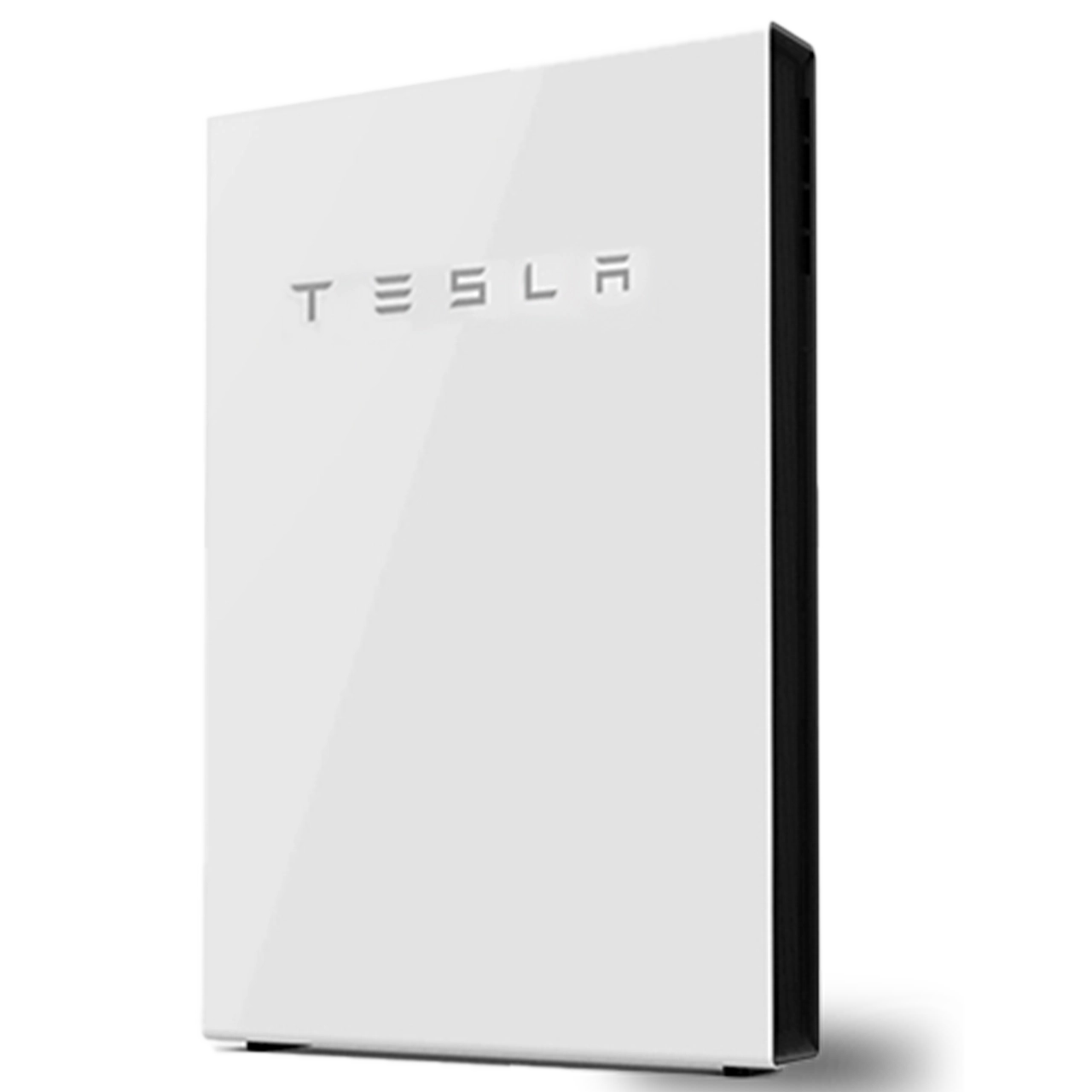
Tesla Powerwall 3
The Tesla Powerwall is a cutting-edge energy storage solution designed to integrates with solar panel systems, allowing homeowners to reduce reliance on the grid and optimize energy consumption.
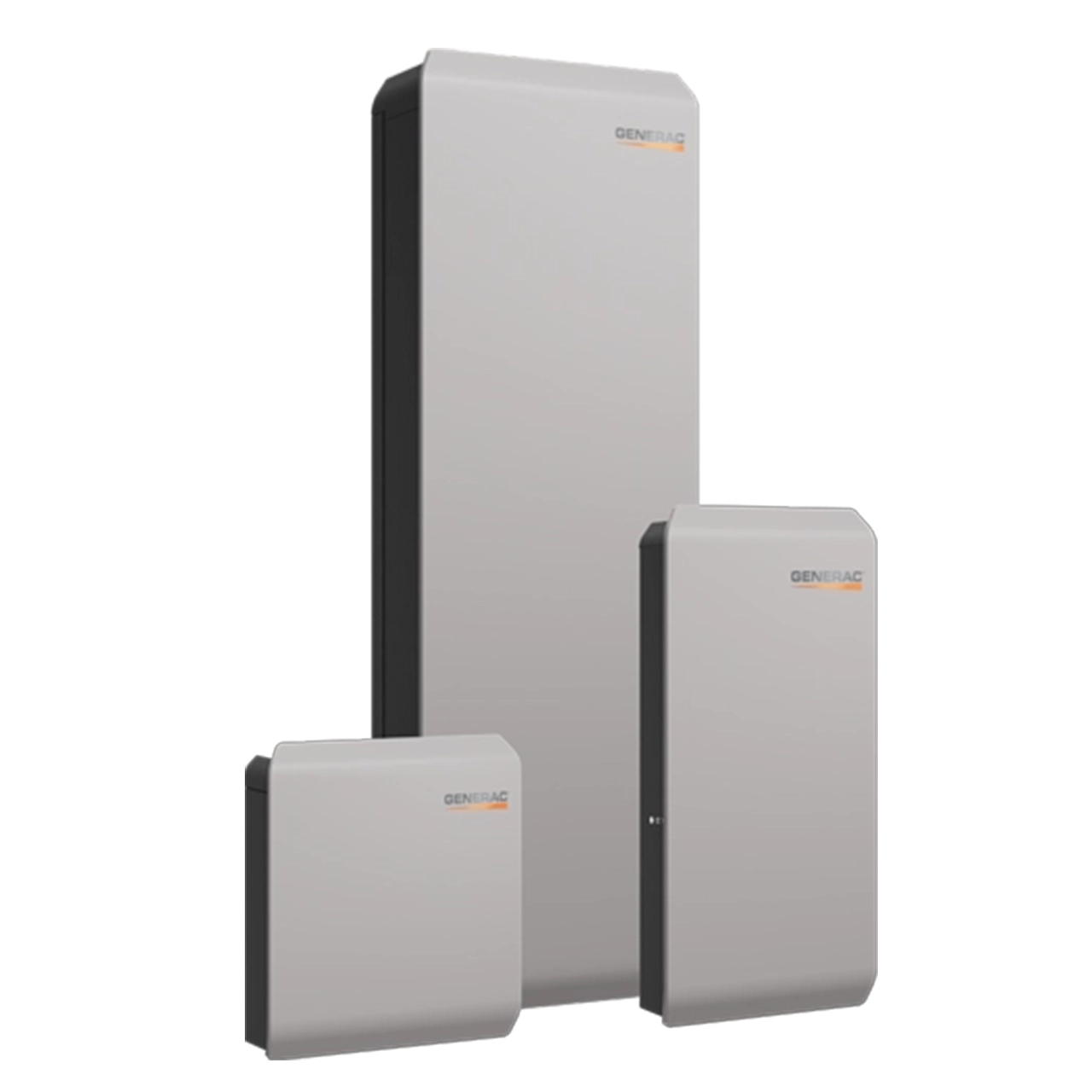
Generac PWRcell 2
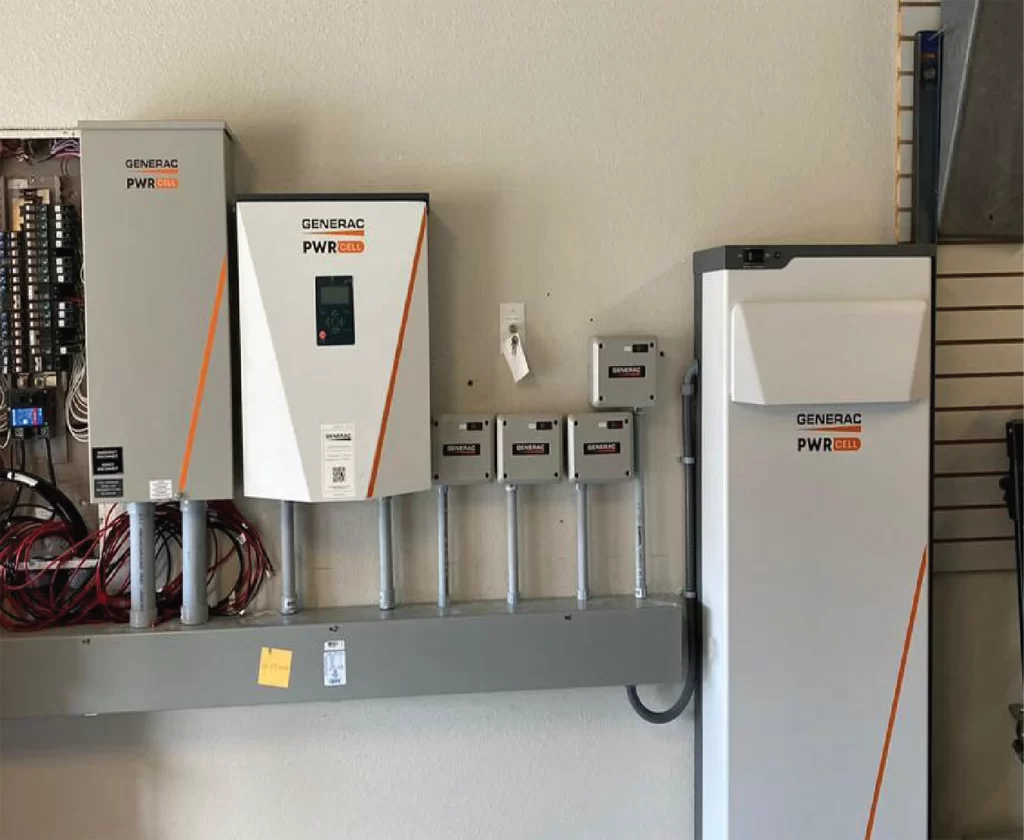
Generac PWRcell 2 is the next-generation home energy storage system. It is a powerful and smart backup solution ready to provide whole home backup in long power outages. and maximum grid independence.
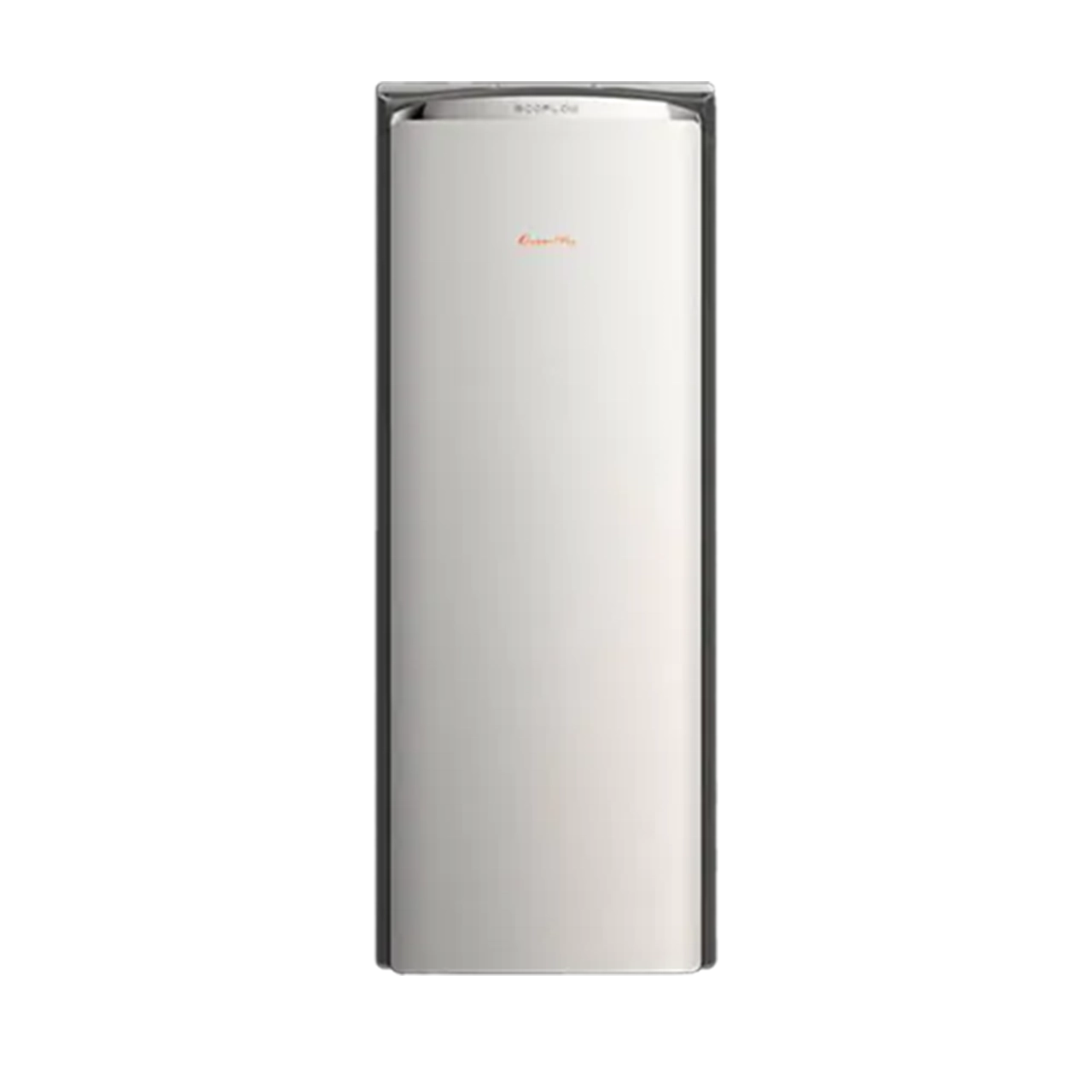
EcoFlow OCEAN Pro Solar Battery System
OCEAN Pro delivers reliable whole-home backup, smart energy management, and powerful solar storage to keep your home running during outages.
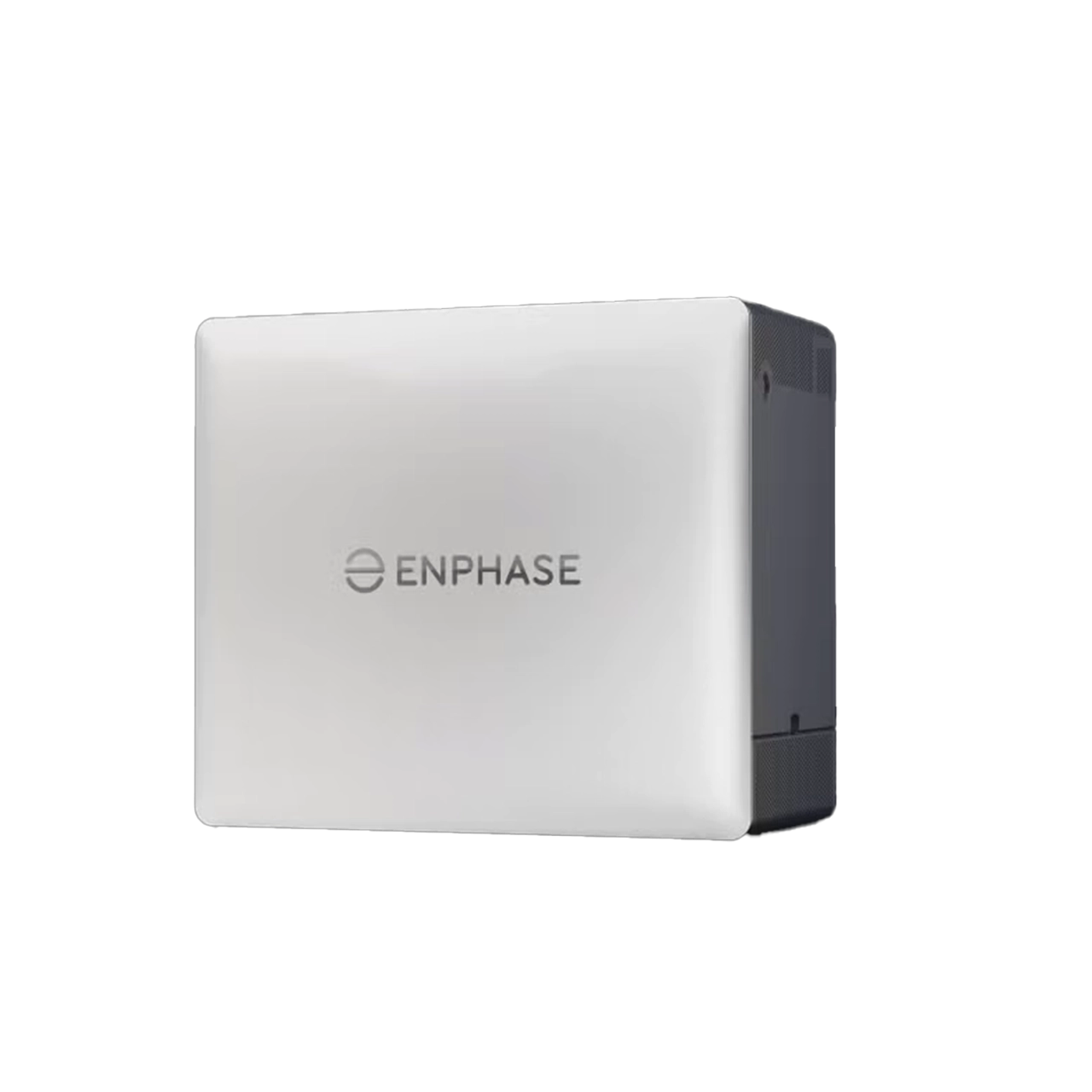
Enphase Encharge - IQ10
The Enphase Encharge home battery system is an all-in-one AC-coupled storage solution. The system provides a reliable, safe, and powerful alternative for homeowners to power their homes.
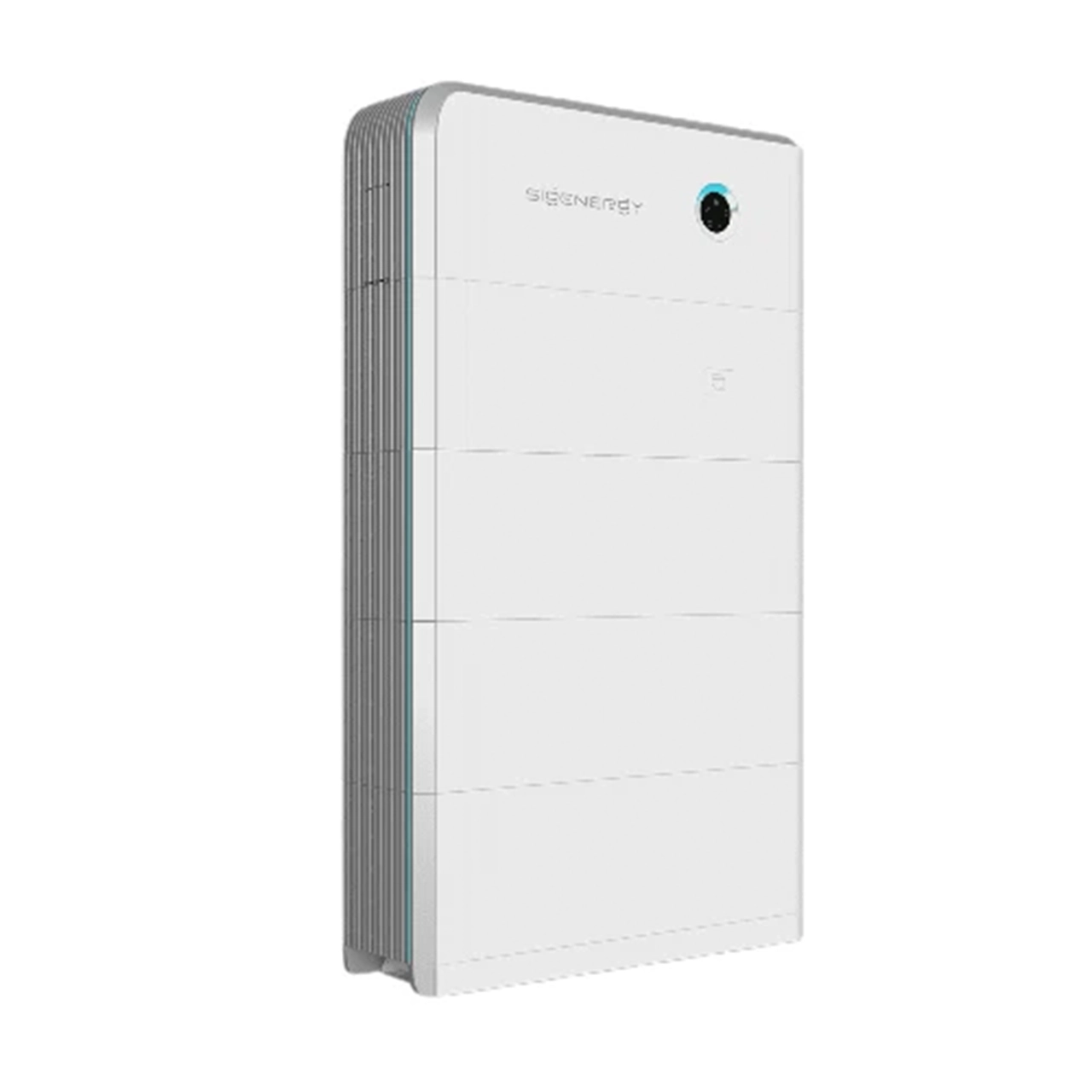
Sigenergy Battery Backup
Sigenergy provides dependable backup power during outages, keeping essential home appliances running while reducing reliance on the grid.
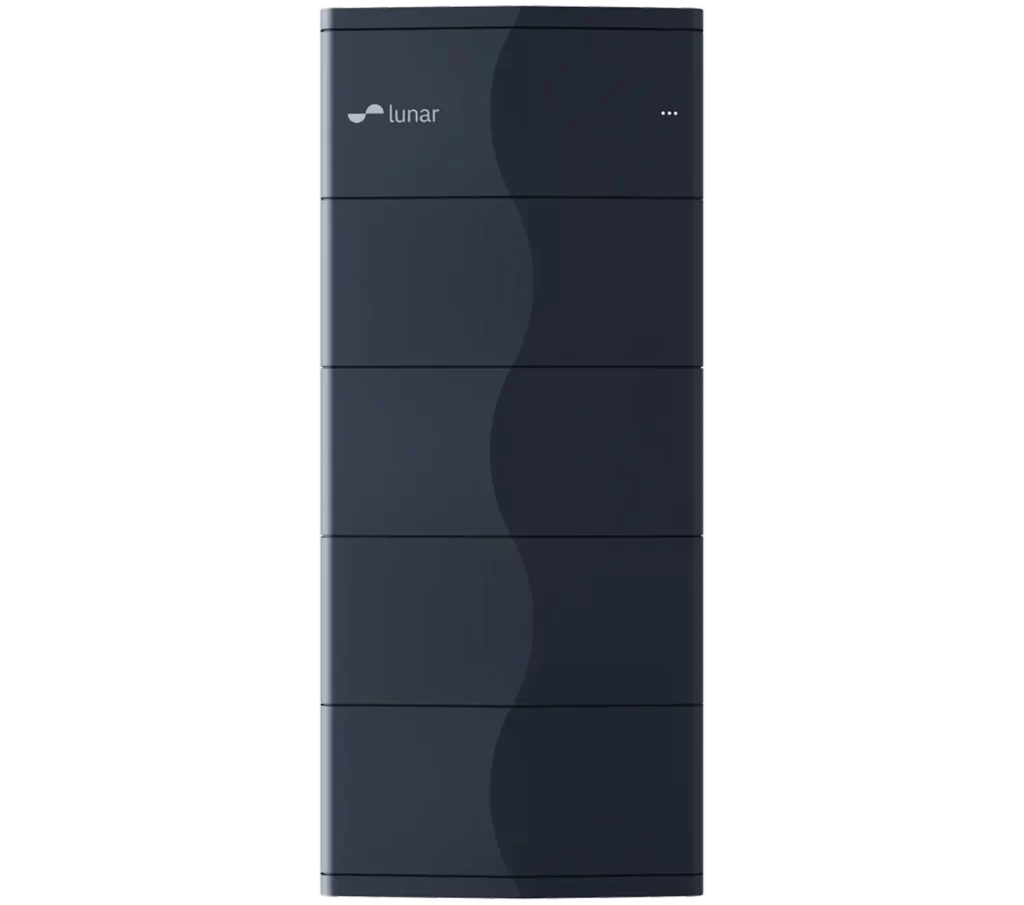
Lunar Energy Battery Storage
Lunar Energy Battery Storage is a reliable backup with smart energy management, and seamless solar integration. Stay powered during outages while maximizing savings and energy independence every day.
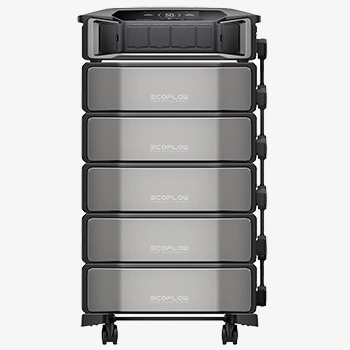
EcoFlow DELTA Pro
EcoFlow DELTA Pro Ultra is a good home battery choice for those looking for storage at a reasonable price. This battery storage offers the best power option for whole-house backup in long outages.
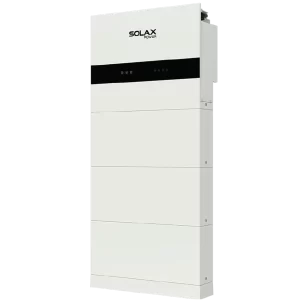
Solax Battery Storage
SolaX battery offers comprehensive support high-efficiency, high-power solar modules for home photovoltaic systems. It provides users with access to green, intelligent energy anytime and anywhere.
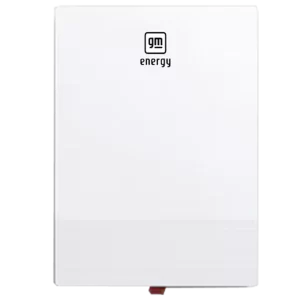
GM Energy Storage
The GM Energy PowerBank, combined with the Home Hub & Inverter, offers a flexible energy storage solution for your home. It ensures continuous power flow and smart energy management.
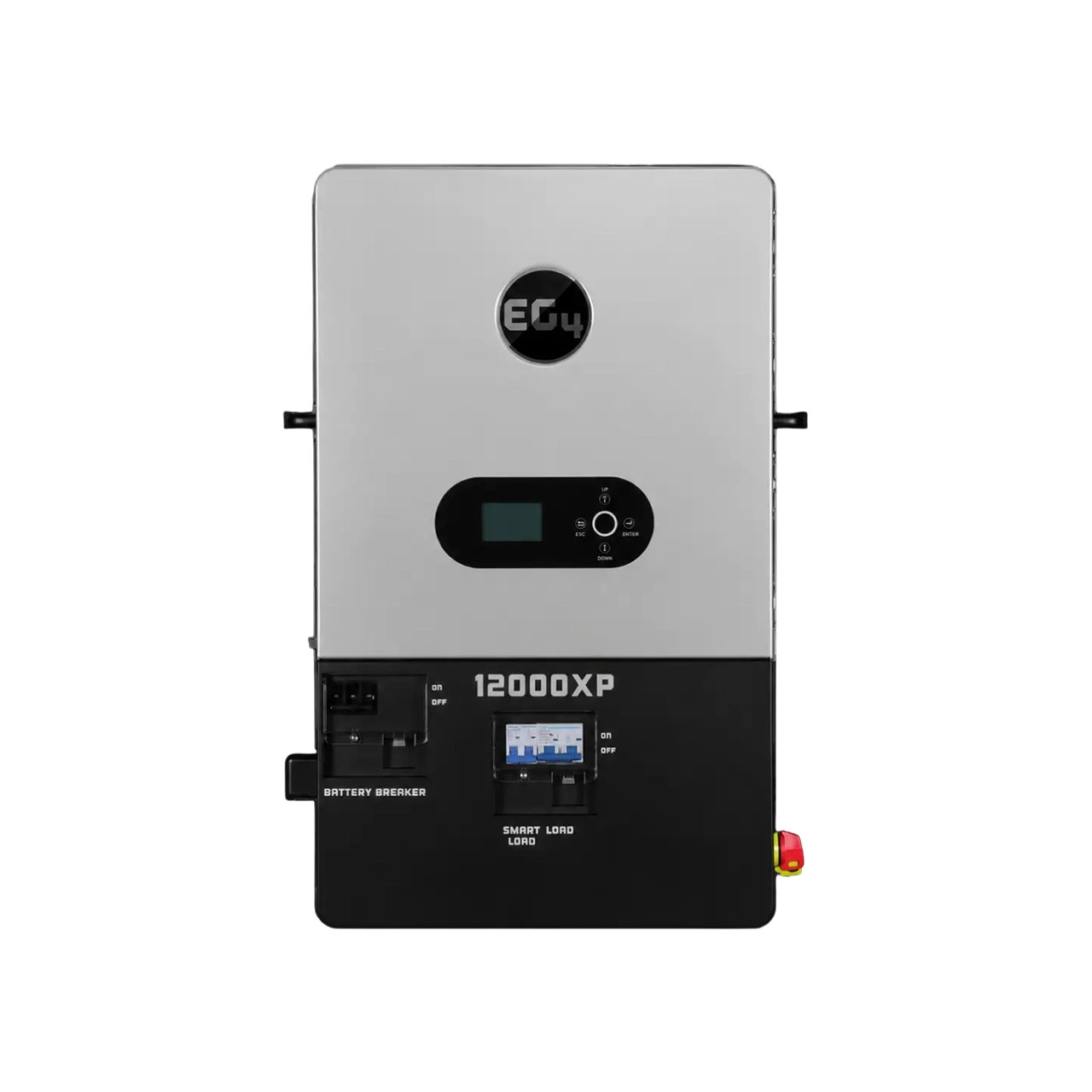
EG4 Battery
EG4 offers a variety of battery solutions and they are ideal for low-voltage residential systems. It provides both indoor and outdoor energy storage options to homeowners and businesses.
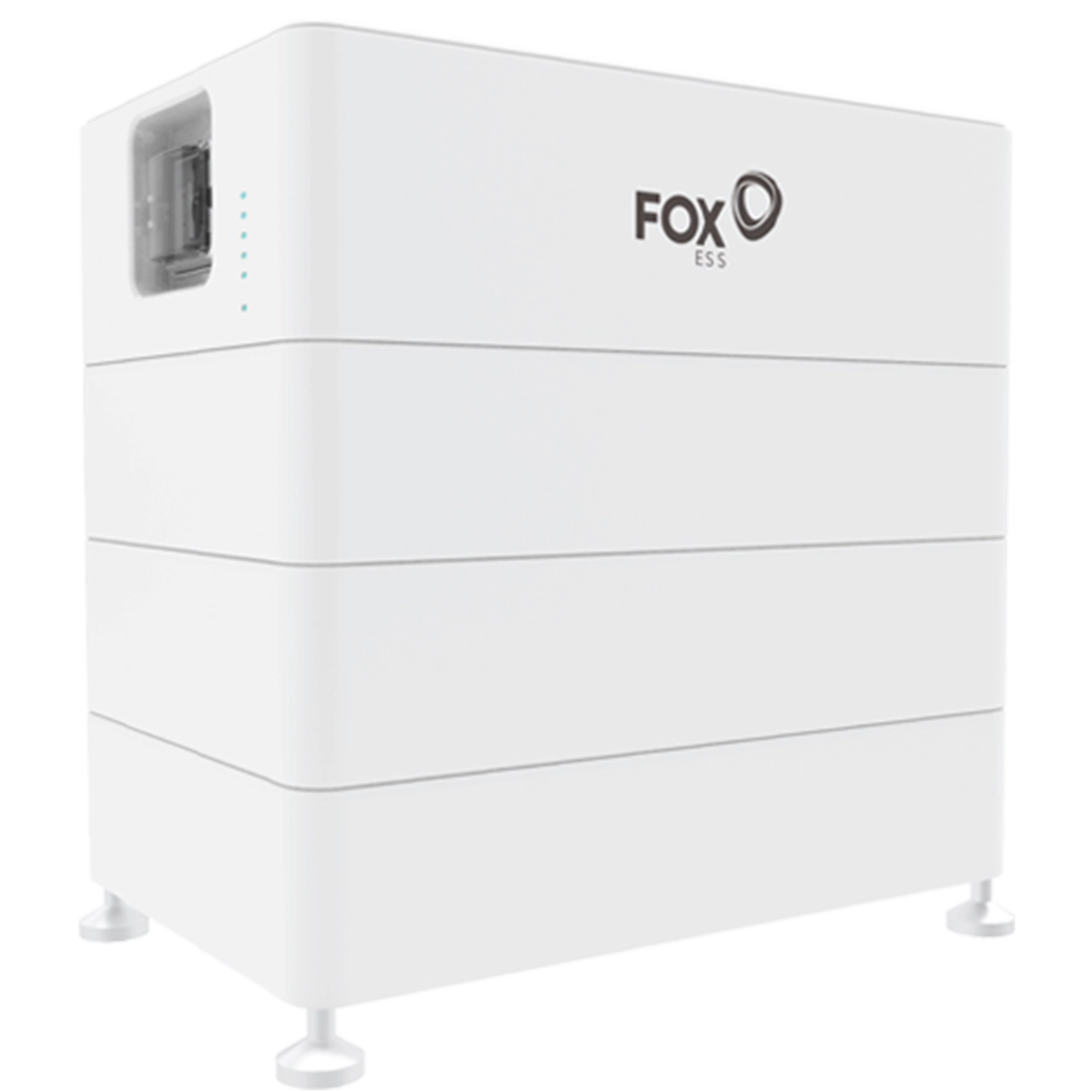
Fox ECS Energy Cube
The Fox ECS battery storage system is a scalable lithium iron phosphate battery. The units are designed to be plug-and-play, making it easy for installers to quickly connect and expand if necessary.
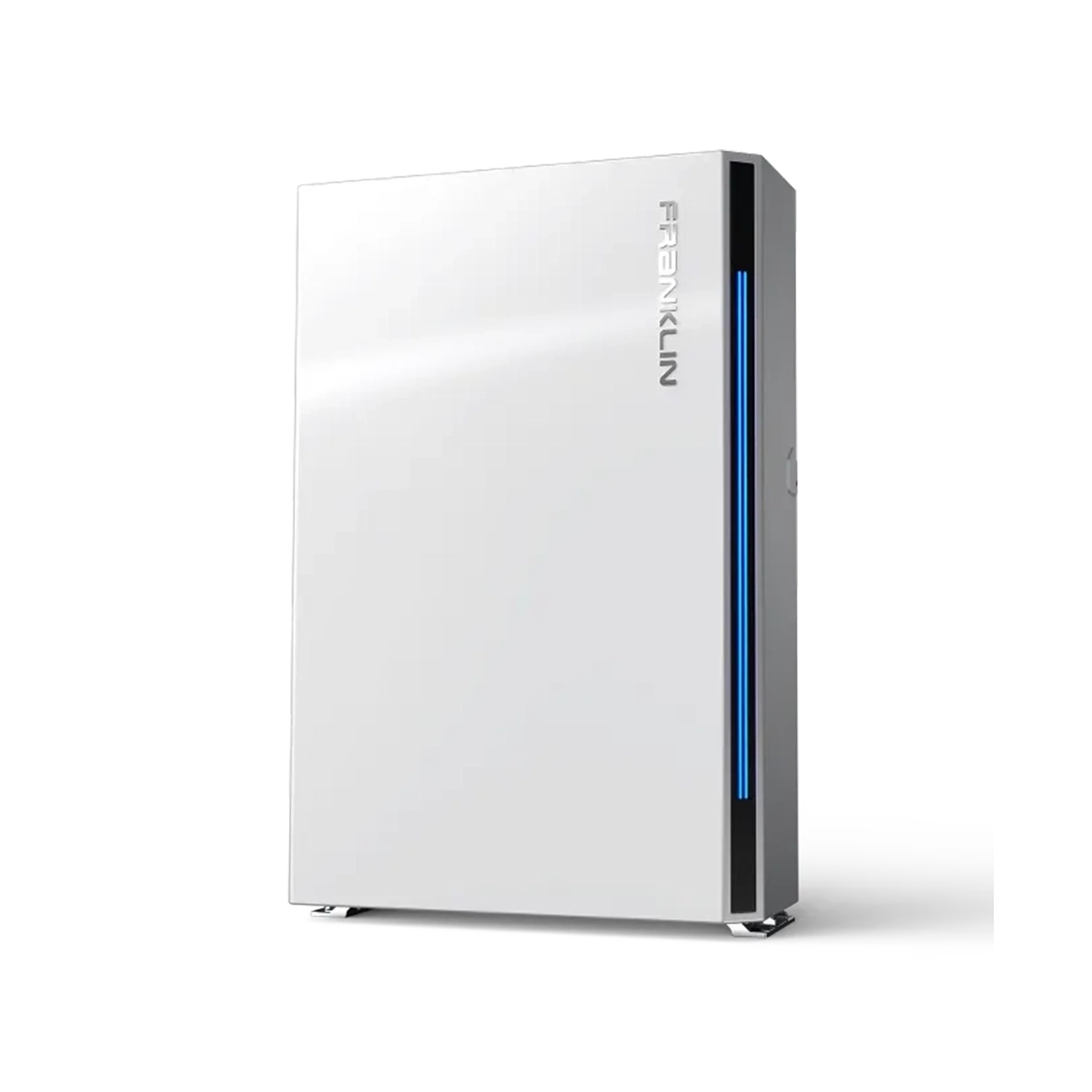
Franklin aPower2 Battery
Franklin battery provide home automation and intelligently shut off power-intensive appliances as needed. The system integrates with any solar inverter, making it easy to add to current solar systems.
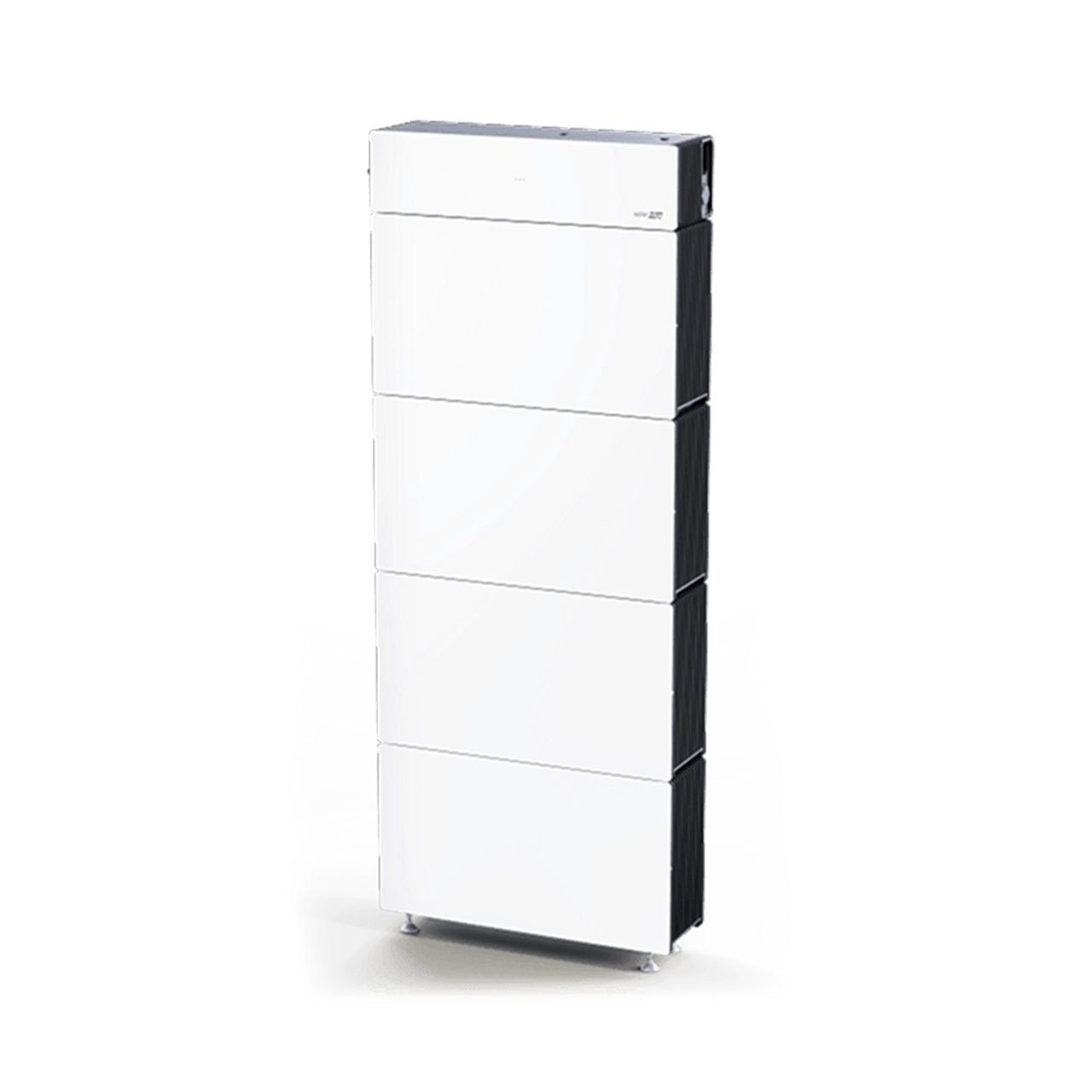
SolarEdge Nexis Battery
Nexis Battery stores solar energy for reliable backup, helping power essential appliances during outages and improve home energy independence.
Solar Battery vs. Generator: Which Backup Solution Makes Sense?
Both batteries and generators can provide backup power, but they work differently.
| Feature | Solar Battery | Generator |
|---|---|---|
| Stores electricity | Yes | No |
| Uses solar energy | Yes | No |
| Can reduce grid consumption | Yes | Generally no |
| Runs silently | Generally yes | No |
| Fuel required | No | Yes |
| Backup duration | Depends on capacity + solar | Depends on fuel supply |
| Daily energy management | Yes | Generally limited |
| Can pair with solar | Yes | Yes |
| Best use | Energy shifting + clean backup | Extended backup with fuel availability |
For many properties, the decision doesn’t have to be battery OR generator. A properly engineered system can combine solar, battery storage, and generator backup when the property’s resilience requirements justify it.
Battery Backup + Smart Panel + EV Charger: Build a Smarter Energy System
The battery doesn’t have to work alone.
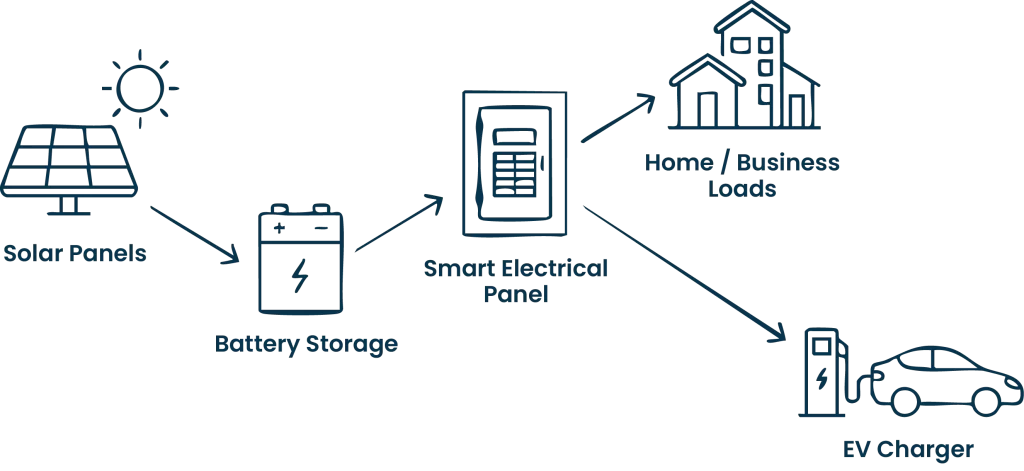
A modern energy system can connect:
Solar Panels → Battery Storage → Smart Electrical Panel → Home / Business Loads → EV Charger
A smart panel like SPAN can help prioritize and manage loads during normal operation and backup conditions. For properties with EV charging, battery storage can also become part of a broader energy-management strategy.
This is particularly important for systems where several high-demand loads such as HVAC, EV charging, water heating, and appliances could compete for limited backup power.
How Solar SME Designs a Battery Storage System?
1. Understand Your Energy Profile
We review electricity usage, solar production, property type, major loads, and your goals.
2. Identify Your Backup Priorities
We determine which circuits or equipment need to remain operational during an outage.
3. Evaluate Your Existing Solar System
For retrofits, we assess the existing inverter, electrical equipment, solar array, compatibility, and interconnection requirements.
4. Compare Battery Technologies
We evaluate capacity, power output, chemistry, warranty, scalability, architecture, and compatibility rather than recommending a battery simply because it is popular.
5. Design the System
The final configuration is designed around the property's actual electrical requirements.
6. Handle Installation & Commissioning
The system is installed, configured, tested, and commissioned according to applicable requirements and manufacturer specifications.
What Does Solar Battery Storage Cost?
The battery itself is only part of the project. Total installed cost can depend on:
- Battery capacity
- Number of battery units
- Backup gateway or transfer equipment
- Electrical panel upgrades
- New vs. existing solar system
- AC vs. DC coupling
- Installation complexity
- Permitting and interconnection
- Required backup loads
- Commercial vs. residential system size
A lower-capacity battery may cost less initially but may not deliver the backup duration or power output you actually need. Likewise, buying more battery capacity than your property can use may not provide the best return.
Battery Storage Incentives & Tax Considerations
The cost of installing a battery system depends on several factors, including your location, storage capacity, electrical upgrades, solar system compatibility, installation requirements, and local permitting. Depending on where you live, state and local energy-storage incentives may also be available, potentially helping homeowners lower their overall installation costs.
While the federal residential tax credit for solar and battery storage expired in 2025, homeowners may still have alternative ways to access solar and battery solutions through third-party ownership (TPO) options. With a solar lease or power purchase agreement (PPA), a third-party provider typically owns and maintains the system while you pay for the energy it produces through a monthly payment.
Another possibility is a prepaid solar lease or PPA, where you make a larger upfront payment in exchange for long-term energy savings and, depending on the agreement, potential ownership of the system later. These financing structures can make a backup system more accessible while helping homeowners improve energy independence and backup protection.
Because incentive rules can change, Solar SME evaluates available programs based on your project’s location and current eligibility rather than promising a rebate that may no longer apply.
Why Customers Choose Solar SME for Battery Storage Installation?
Solar SME approaches battery storage from the perspective of the entire energy system like solar generation, electrical loads, inverter architecture, backup requirements, utility considerations, and future energy needs.
Ready to Store More Solar and Take Control of Your Power?
Don’t choose a battery based on capacity alone. The best energy storage system is the one that fits your solar system, your electrical loads, your property, your utility, and your goals. Whether you need a battery for a new solar installation, want to add storage to an existing PV system, need whole-home backup, or are exploring commercial energy storage, Solar SME can help you compare your options.
Frequently Asked Questions
Standard grid-connected solar systems generally shut down when the grid fails. A properly configured solar-plus-storage system can operate independently from the grid and supply supported loads during an outage.
Yes. When sufficient energy is stored during the day, the battery can discharge later when solar production has fallen. This is one of the main reasons solar-plus-storage can be useful for properties with significant evening consumption.
It depends on your energy usage, critical loads, desired backup duration, battery capacity and inverter output. Whole-home backup generally requires a different configuration from essential-load backup.
Often, yes. The existing inverter, solar array, electrical equipment and battery architecture must be evaluated to determine compatibility and the best AC- or DC-coupled approach.
Absolutely. Commercial battery storage can support backup power, solar energy shifting, energy management and operational resilience. The system should be designed around the business's critical loads and operating profile.
Related Articles:
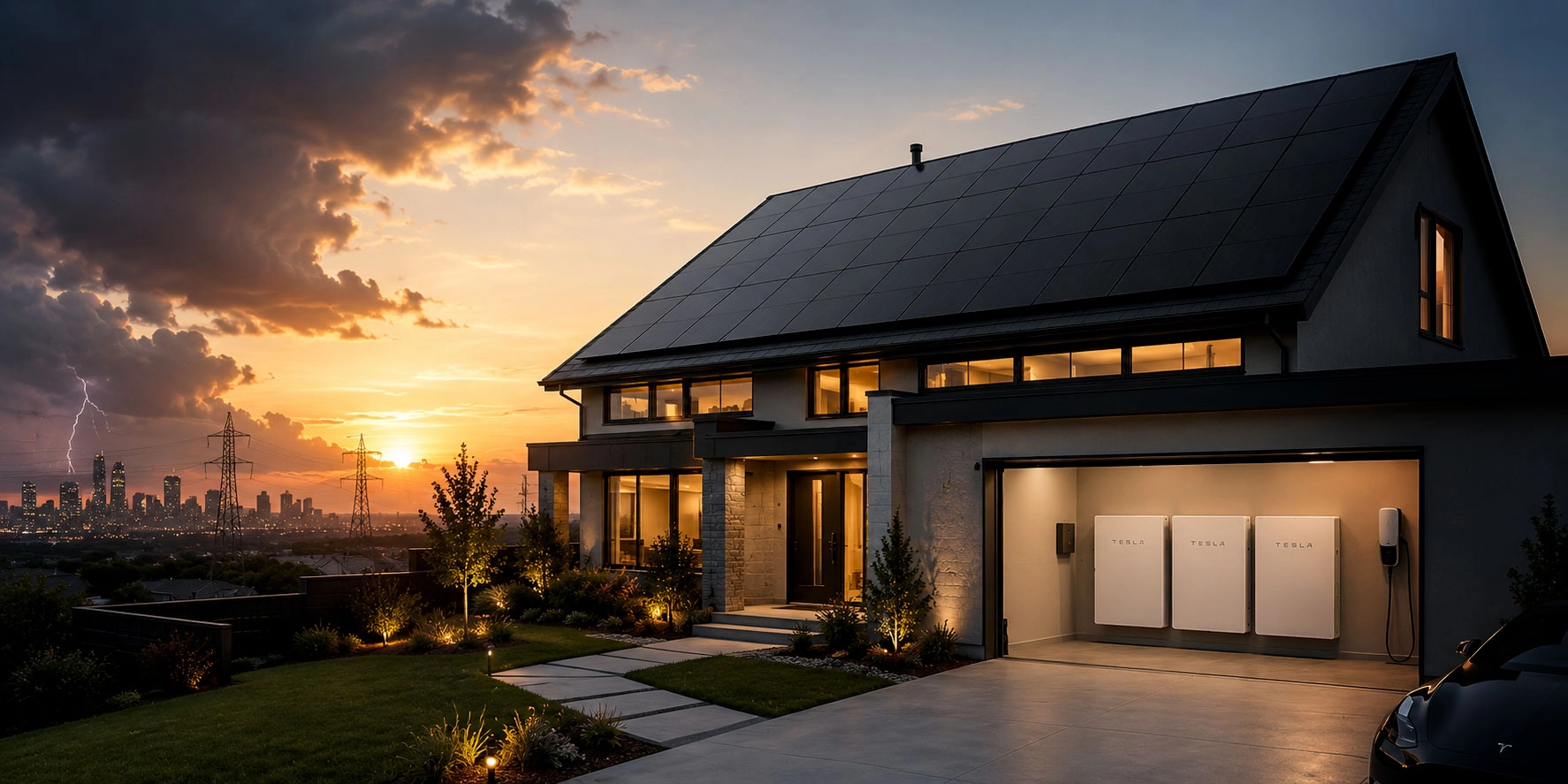
Rising utility prices and grid instability are changing how Americans power their homes. Explore why thousands of homeowners are investing in solar panels with battery storage to secure backup power, avoid peak electricity costs, and gain greater control over their household energy future.

The future of AI depends on resilient energy systems. Explore how solar photovoltaic systems combined with battery storage help data centers manage peak demand, lower emissions, enhance uptime, and strengthen ESG performance.
2026 is a game changer for solar energy as the U.S. accelerates its transition toward a sustainable future. Because of skyrocketing energy bills, persistent inflation, and increasingly frequent long power outages.