
Solar SME North Carolina
Full-Service Local Solar & Battery Installer
Experience reliable clean energy with tailored solar and battery options.
336-604-6621
According to the Solar Energy Industries Association (SEIA), North Carolina is a leading state for solar energy generation, with solar power accounting for more than 9.75% of the state’s electricity. The home solar sector, in particular, has experienced significant growth due to North Carolina solar incentives. Duke Energy’s PowerPair program, along with net metering, is increasing the state’s adoption of solar panels. Solar SME is among the top solar companies helping homeowners and businesses with customized solar energy and backup solutions to mitigate the energy crisis. We are certified local solar installers having our presence in 11 states around the U.S. Our quality solar installation services and leading warranties make us different from other solar companies in the market.
How much can you save on electric bills with solar in North Carolina?
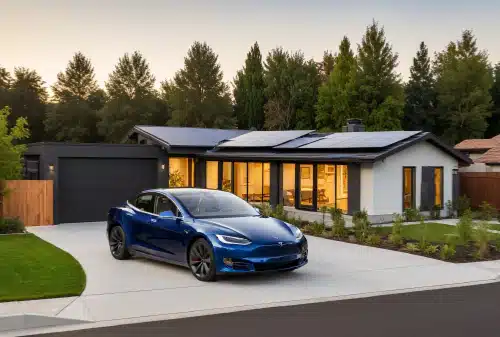
The average electric rate in North Carolina is 13 ¢/kilowatt-hour (kWh). This means that the average energy user in North Carolina uses 1,574.00 kWh each month and 18,888 kWh annually. On average, a North Carolina resident spends $210 per month on electricity. This adds up to $2,520 every year. Solar saves you money by reducing or eliminating your monthly electric bill. Solar helps you save money by lowering or eliminating your monthly electric costs. In North Carolina, installing a solar system will result in a 15 year payback period. Based on the intensity and duration of sunshine hours in North Carolina, the average power consumer will require a 13.2-kilowatt (kW) solar panel system to offset 100% of their yearly electricity consumption.
25-year Savings
~$31,411
Payback Period
15 Years
Electricity Offset
Up to 100%
Solar Financing Options in North Carolina by Solar SME
Solar installation is a worthy investment; however, it may cost you higher to own your solar panel system. If you are unable to own due to any reason, like you are a renter or do not have enough cash in hand, some flexible solar financing options are available for you:

The best option for maximizing the benefits of a solar energy system is ownership. When you own, you are eligible for all the available solar incentives to offset your solar installation cost. Also, there is no loan paperwork, no interest calculations, no increasing lease payments, and no monthly payments after installation. Additionally, your home value will also go up by 7%-14%.
Solar loans are the best option for you if you want to take full advantage of a solar PV system but do not have enough investment to buy one. With a solar loan program, you will make fixed monthly payments for 5-25 years while benefiting from instant energy savings. It provides cost predictability, unlike utility bills or lease escalators, which rise over time. The best part is that the lending rate is down to 4.0% - 4.25%. Furthermore, you can avail all solar incentives and solar tax credit in North Carolina with loan financing. A local solar installation company, like Solar SME, can help you to go solar with 0% APR option.
With federal solar incentives changing, solar leases and power purchase agreements (PPAs) can provide an alternative way for North Carolina homeowners and businesses to access solar power without purchasing the system outright. Under third-party financing, you typically make a fixed monthly payment or pay a predetermined rate per kilowatt-hour for the electricity the system generates.
Because the third-party provider owns the system, it generally handles ownership-related incentives and responsibilities. However, lease and PPA terms can vary, so it is important to review the contract, payment structure, escalation provisions, and savings potential carefully before signing.
Best Residential Solar Incentives and Rebates in North Carolina
Homeowners can qualify for a variety of solar energy incentives in North Carolina that help reduce the total cost of a solar panel system or boost savings. The top NC solar incentives include:
PowerPair Rebate Program
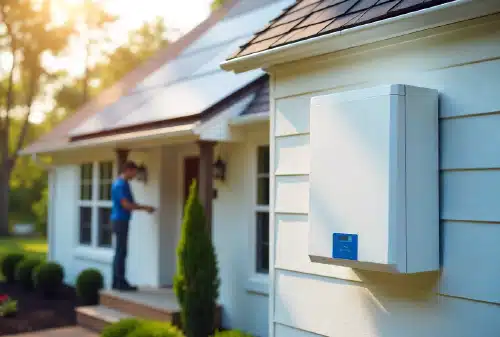
If you’re a Duke Energy customer, it’s worth considering a solar-plus-battery system due to the PowerPair program. If you combine your solar panel system with a battery under this program, you can receive a one-time rebate of up to $9,000, which includes up to $3,600 for the solar panels and $5,400 for the battery. Also, you will get $108 monthly credit on PWRWall3 full home backup. If your solar panel system’s inverter is rated 10 kW or less, you’ll earn $0.36 per watt. If your battery has a capacity of 13.5 kWh or less, you will earn $400/kWh. Learn more about the North Carolina PowerPair rebate!

PowerPair + EnergyWise Home Program
Duke Energy EnergyWise home is a virtual power plant (VPP) program that allows you to earn up to $92 a month (or $1,100 per year) in energy credits. To be eligible for this program, you must apply for interconnection and agree to participate for a minimum of one year. In addition, you must maintain a stable internet connection and install an appropriate battery. Solar batteries from leading manufacturers, including Enphase, FranklinWH, SolarEdge, and Tesla, are eligible. The amount of bill credits you receive is determined by factors including the type and size of battery you install, as well as the amount of electricity stored in your battery when Duke Energy accesses it.

North Carolina Solar Property Tax Exemption
North Carolina offers tax exemptions for solar panel installations in addition to the best solar rebates and incentives. You can add solar panels to your home without having to pay a higher property tax thanks to the solar property tax exemption. However, there isn’t a solar sales tax exemption in North Carolina.
Is net metering available in North Carolina?
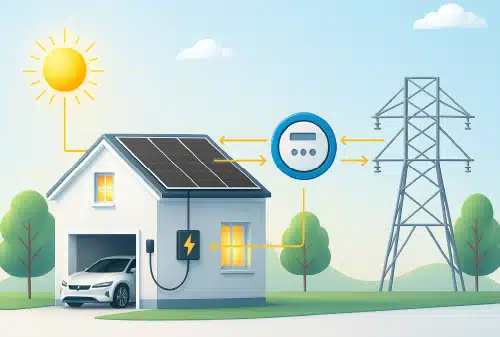
Yes, but the availability and terms of net metering in North Carolina depend on your utility provider and when your solar system was interconnected. One of the key benefits of installing solar panels in North Carolina is the ability to receive value for excess solar energy sent to the grid. Duke Energy does not offer its previous full-retail net metering program to new solar customers, but customers who were already enrolled under an eligible net metering tariff may continue under the applicable terms of their existing agreement. New Duke Energy solar customers are generally placed on newer compensation structures that may include different rates and time-of-use requirements. If Dominion Energy is your utility provider, eligible solar customers can receive credits or compensation for excess electricity their system sends to the grid, helping offset electricity purchased from the grid. Blue Ridge Energy also offers solar programs that provide compensation for excess generation, with the specific value depending on the applicable plan and eligibility requirements.
Commercial Solar Installation in North Carolina
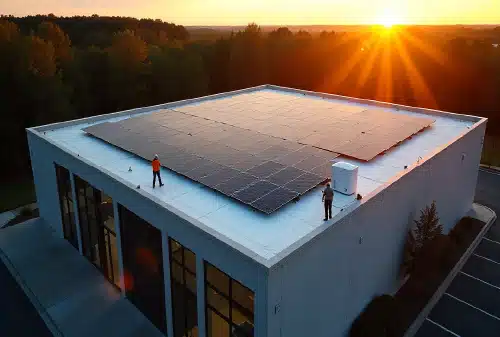
Commercial solar installation in North Carolina can help businesses manage rising energy costs, improve energy resilience, and reduce their reliance on the traditional power grid. By generating electricity from sunlight, businesses can gain greater control over their energy supply. Pairing commercial solar panels with battery storage can also provide backup power during outages, helping maintain critical operations and minimize disruptions.
Businesses may also benefit from available federal, state, and local incentives, along with financing and tax advantages such as MACRS depreciation and PACE financing, depending on eligibility.
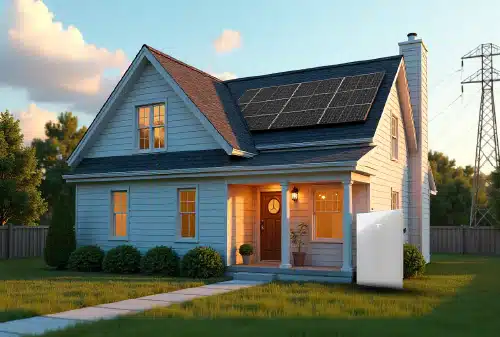
Energy Storage Incentives in North Carolina
If you have a net billing plan in North Carolina, adding battery storage to your solar panel system is an excellent alternative. You can store excess solar energy and use it later when electricity costs are higher, rather than selling it to the grid at a reduced rate. In addition to keeping your lights on during an outage, a battery could help you save money on energy costs.
To lower the cost of energy storage, North Carolina also has some best battery incentive programs. Like, you can receive a rebate of up to $9,000 for a solar-plus-battery system under Duke Energy’s PowerPair program. By signing up for the PowerPair + Power Manager/EnergyWise program, you give Duke Energy authority over your battery 30-36 times a year. In return, you will receive a monthly bill credit based on the continuous power rating of your battery, in addition to the PowerPair rebates.
Why is it Worth it to Switch to Solar in North Carolina?
In North Carolina, going solar is worth the investment! The solar incentives and rebate programs in NC significantly lower the cost of installing solar panels. Also, the utilities in the state provide complete retail net metering, which results in significant energy bill savings. Moreover, the solar payback period in North Carolina is around 15 years. This implies that you will receive free, clean electricity for 10-15 years. Top reasons to switch to solar in NC include:
Low Electric
Bills
Maximum Grid Independence
Flexible Financing Options
Increased Home Value
Earn Energy Credits/SREC Programs
The best way to determine how to maximize your solar savings in North Carolina is to consult with a local solar installer. Solar companies near you can guide you with the best solar solutions and incentives in your area and can help you to get the most out of your solar investment.
Calculate your Solar Savings with Solar SME Smart Solar Calculator NOW!
Step 1:
Property Type
Step 2:
Financing Options
Step 3:
Enter Your Current Electric
Bill & System Preferences
$
(your best estimate is fine)
Our Customers are Getting Up to 90% Lower Electric Bills with
Solar SME Tailored
Solar Solutions
Solar SME provides its valuable clients with an exceptional solar experience by designing solutions according to its customers’ unique needs. Also, we hold a positive image in solar marketplaces like Energysage. Moreover, we are accredited with BBB, and our happy customers share their solar experience and highly recommend Solar SME for the best solar services in NC.
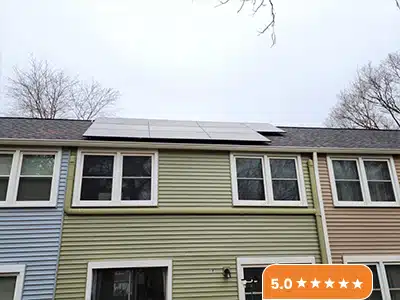
City: Charlotte, NC
System Size: 5.5kW
Annual Savings: ~$900–$1,150 per year
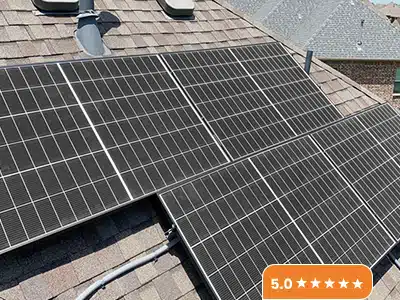
City: Raleigh, NC
System Size: 6.8kW
Annual Savings: ~$1,150–$1,350 per year
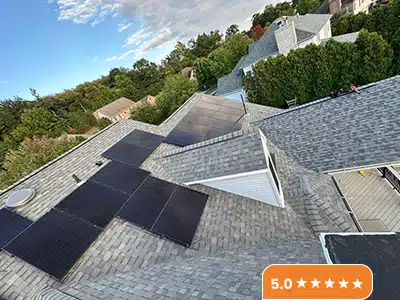
City: Greensboro, NC
System Size: 7.5kW
Annual Savings: ~$1,300–$1,550 per year
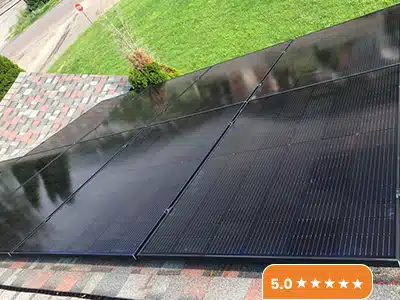
City: Durham, NC
System Size: 8kW
Annual Savings: ~$1,450–$1,700 per year
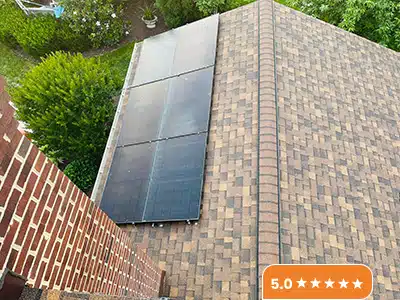
City: Fayetteville, NC
System Size: 9kW
Annual Savings: ~$1,700–$1,950 per year
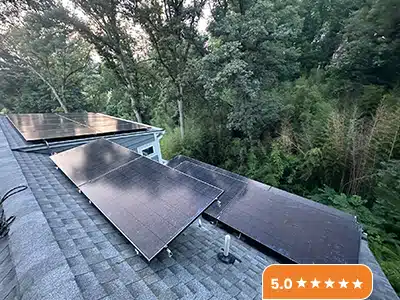
City: Wilmington, NC
System Size: 10kW
Annual Savings: ~$2,000–$2,300 per year

Frequently Asked Questions
North Carolina offers several solar incentives, including Duke Energy’s PowerPair program, which provides up to $9,000 for solar with battery storage, and the Solar Property Tax Exemption, which excludes 80% of the value of solar installations from property taxes.
Yes, solar panels are likely worth it for homeowners and businesses in North Carolina. The state has abundant sunlight, so it is a favorable location for solar energy generation. Also, North Carolina solar incentives, such as net metering and solar property tax exemptions, make solar panels a cost-effective and environmentally friendly investment.
North Carolina does not currently offer a statewide solar tax credit. Homeowners and businesses can explore utility rebates, net metering options, and other local programs that may help reduce the overall cost of installing solar.
While there are North Carolina solar incentives for homeowners and businesses, truly free solar panels aren’t available. Some companies advertise free solar panels, but these usually involve solar lease or power purchase agreement (PPA) programs. With these, participants pay a monthly lease fee instead of upfront costs.
Solar SME is a certified solar installer offering top solar panels and backup storage solutions at a competitive price. We offer industry leading warranties and flexible financing option for making solar affordable. As a NABCEP solar installation company, we ensure compliance with NEC solar code 2023 for a safe solar energy system.