
SolarSME, Inc.
Solar for Warehouses &
Manufacturing Facilities
Turn Your Facility’s Underused Roof into a Smarter Energy Asset
Your warehouse or manufacturing facility already has two factors that makes solar an option worth exploring: adequate roof space and high electricity demand. The opportunity is to turn that unused roof area into an energy-producing asset while designing around the way your facility actually operates.
Solar SME offers you a complete energy solution for your warehouse, distribution center, or manufacturing facility through site assessment, customized solar installation, energy storage, and operation and maintenance services.
Solar SME offers you a complete energy solution for your warehouse, distribution center, or manufacturing facility through site assessment, customized solar installation, energy storage, and operation and maintenance services.
Why Warehouses & Manufacturing Facilities Are Strong Solar Candidates?
For many industrial properties, the roof represents a major underutilized asset. At the same time, these facilities can consume substantial amounts of electricity throughout the day. Also, such facilities require continuous power for smooth operations. That combination can make solar for warehouses and manufacturing facilities particularly compelling, but the right system depends on how your facility actually operates.
1. Large Roofs Create Significant Solar Potential
Warehouses and manufacturing facilities often have large roofs that can support commercial solar panels. Businesses can turn unused roof space into an energy asset, generating on-site power while reducing grid reliance and energy costs.
2. High Electricity Demand Creates Greater Solar Value
Due to lighting, air conditioning, refrigerators, equipment, and machinery, such facilities tend to consume a lot of electricity. Therefore, a properly designed commercial solar system can help offset that energy demand.
3. Daytime Operations Align with Solar Production
Many warehouse and distribution operations consume electricity during the day, when solar panels are generating power. This alignment can make onsite solar particularly valuable for facility operations and equipment.
4. EV, Forklift & Industrial Loads Create New Opportunities
An electric forklift or fleet vehicles, EV charging, automation and many other emerging electrical loads can boost energy requirements of the building. Solar SME takes existing and future energy requirements into account while designing the commercial solar system for the warehouse or manufacturing operation.
5. Solar + Battery Storage Can Support Complex Energy Needs
Manufacturing facilities may operate across multiple shifts or around the clock, creating energy demand beyond daylight hours. Commercial battery storage can be evaluated alongside solar to help extend the use of solar-generated energy and create a more complete energy strategy.
Is Your Commercial Roof Ready for Solar?
A Bigger Roof Doesn’t Always Mean a Better Solar Site!
The first question that the facility owners may ask is: is this roof suitable for solar installation? This is the reason why Solar SME begins with the facility, not the equipment prior to proposing any system.
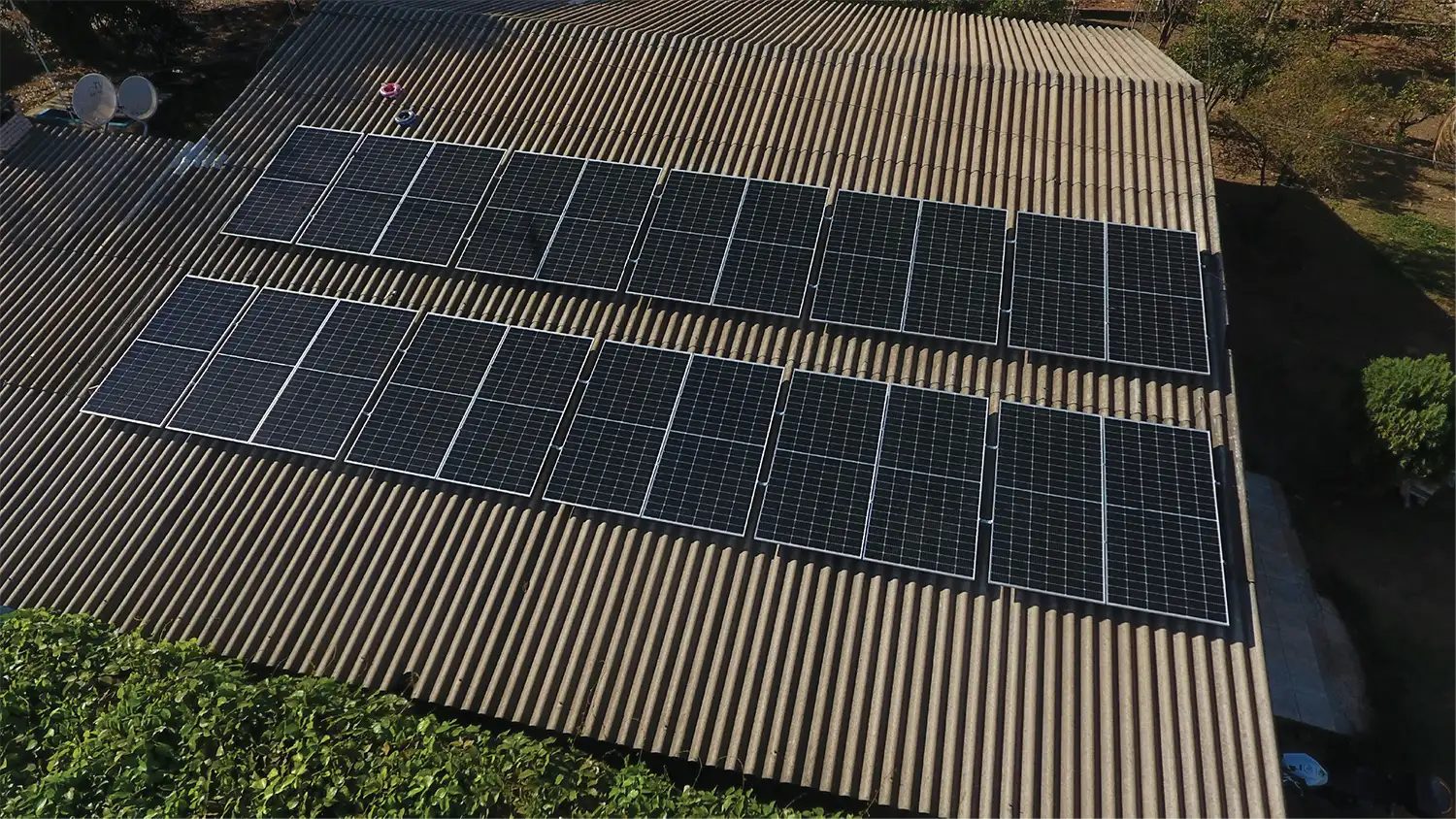
What Solar SME Evaluates?
Our commercial site assessment can help identify:
Roof suitability
Available space, roof condition, construction, and structural considerations.
Energy profile
How much electricity your facility uses and when it uses it.
Electrical infrastructure
Existing electrical equipment and system requirements.
Operational profile
Daytime, multi-shift, or continuous operations.
Future energy needs
EV fleets, forklift charging, equipment additions, refrigeration, expansion, and other anticipated loads.
Storage opportunities
Whether battery storage could complement solar based on the facility's energy profile and objectives.
The result is a solar strategy designed around your facility, not a one-size-fits-all package
Solar for Warehouses & Distribution Centers
Make Your Warehouse Roof Work as Hard as Your Operations
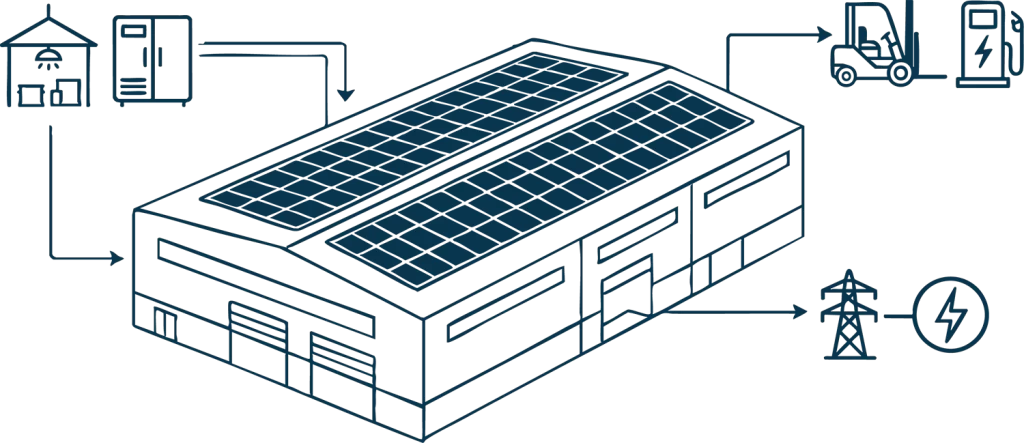
Warehouses and distribution facilities can have a particularly useful relationship between solar production and electricity consumption. Lighting, HVAC, refrigeration, automation, material-handling equipment, and charging infrastructure can create substantial daytime loads.
Offset Lighting, HVAC & Refrigeration
The energy generated from a warehouse solar system can offset facility operation’s energy consumption from lighting, heating, ventilation, air conditioning, and refrigeration. For facilities with cold storage or refrigeration, energy consumption can be an important part of the solar design conversation. Solar SME evaluates energy consumption and available roof space to determine an appropriate system strategy.
Power Electric Forklifts & EV Fleets
Warehouse electrification is creating new opportunities and new electricity demand. If your facility is transitioning to electric forklifts, delivery vehicles, fleet vehicles, or other EVs, charging infrastructure should be considered as part of the overall energy plan. Solar SME can evaluate solar for EV charging and forklift charging as part of a broader commercial solar system. That means today’s system can be designed with tomorrow’s electrical loads in mind.
Address Peak Demand
Many commercial and industrial electricity rates include demand charges, which are based on how much power a facility draws during periods of high demand. Solar may help reduce grid-supplied electricity during periods of solar production, potentially influencing demand-related costs depending on the utility’s rate structure and the facility’s load profile.
Solar SME evaluates these factors using the facility’s actual energy profile rather than relying on generic savings assumptions.
Solar for Manufacturing Facilities
Build a Solar Strategy Around Your Production Schedule
Unlike typical warehouses, manufacturing plants have specialized equipment, multiple shifts, and continuous operations. This creates a different electrical profile. This is why a solar solution for manufacturing facilities is unique.
Offset Multi-Shift & Continuous Energy Demand
A manufacturing plant may operate during the day, evening, overnight, or across multiple shifts. Solar production is concentrated during daylight hours, so the relationship between solar generation and facility consumption needs to be carefully evaluated.
Solar SME considers:
- Production schedules
- Major machinery loads
- Daytime vs. nighttime consumption
- Electrical service
- Peak demand
- Available roof area
- Future equipment requirements
- Battery storage opportunities
The goal is to design a system that fits the way your plant consumes energy.
Extend Solar's Value with Battery Storage
For facilities with significant evening, overnight, or multi-shift electricity consumption, commercial battery storage can be worth evaluating alongside solar. Solar can generate electricity during the day, while battery storage can provide a way to use stored energy later, depending on system design, utility requirements, and project objectives.
For some manufacturing operations, that can make solar + storage a more comprehensive energy strategy than solar alone.
Design Around Your Production Equipment
Industrial solar isn’t just about annual electricity consumption. Manufacturing facilities may have large motors, machinery, production equipment, and other electrical loads that need to be considered during system design. Solar SME evaluates the facility’s electrical characteristics and operating requirements to develop a system that works with the broader site infrastructure.
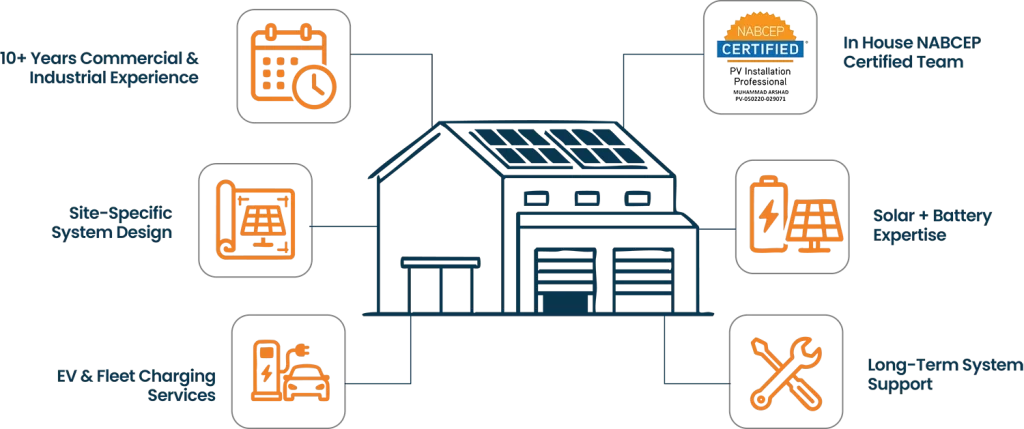
Why Businesses Choose Solar SME
Financing Your Warehouse or Manufacturing Solar Project
Find the Right Way to Fund Your Energy Upgrade
The right financing structure can be an important part of making a commercial solar project work for your business. Solar SME can help businesses explore available commercial solar financing options based on project requirements and eligibility.
Commercial Solar Operations & Maintenance
Keep Your Solar Investment Performing Over the Long Term
Installing a commercial solar system is the first step towards its operation. In case of large warehouses and manufacturing facilities, solar operations and maintenance (O&M) can help identify performance issues, maintain system reliability, and keep the system operating as intended.
With solar O&M services provided by Solar SME, you can count on your dedicated partner for ongoing system support, not just a company that disappears after commissioning.
What Commercial Solar O&M Can Include
- System Monitoring
- System Upgrades
- Preventive Maintenance
- Equipment Inspection
- Troubleshooting & Service
- Long-Term Solar Asset Support
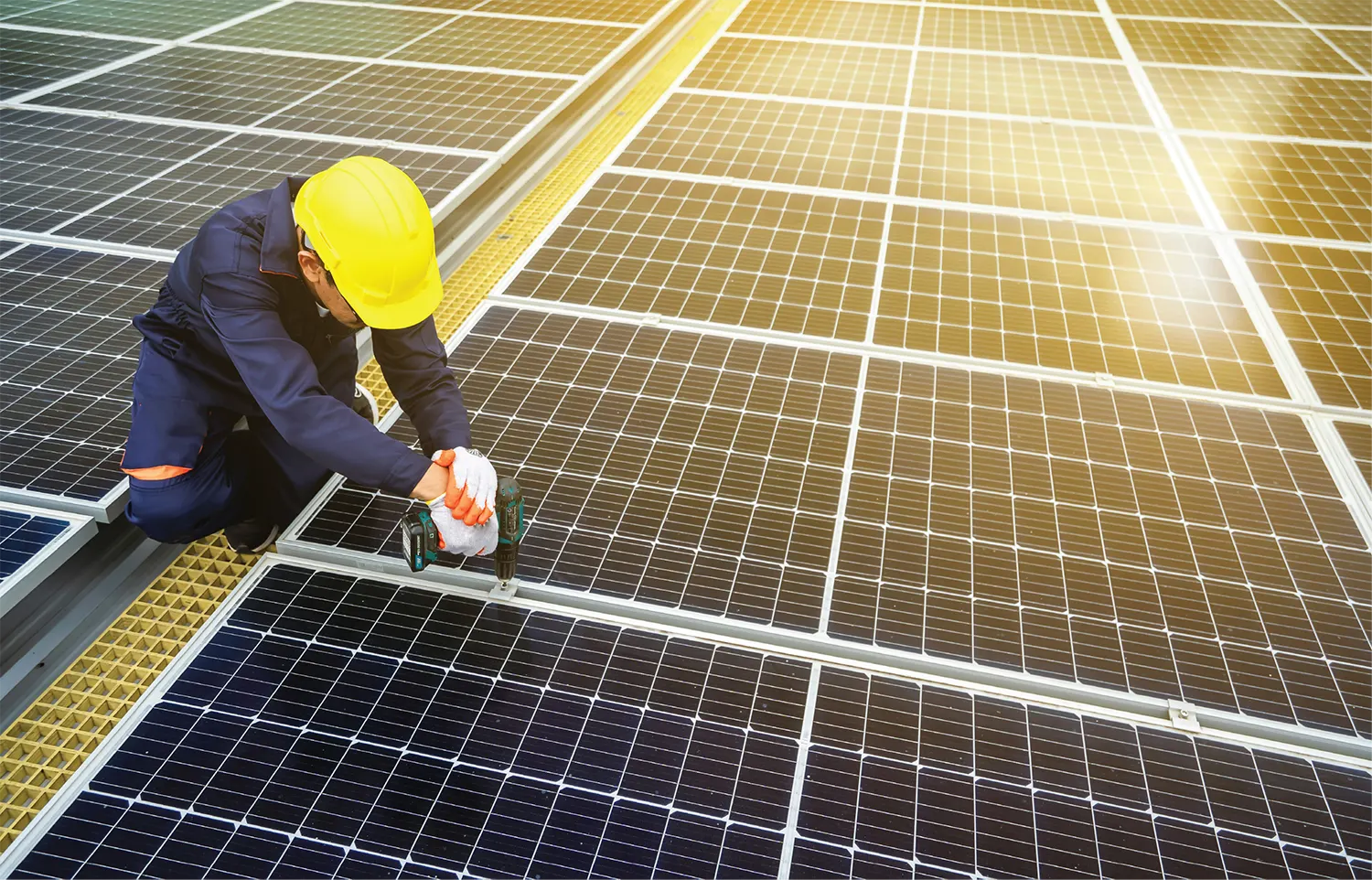
Your Roof Is an Asset. Put It to Work!
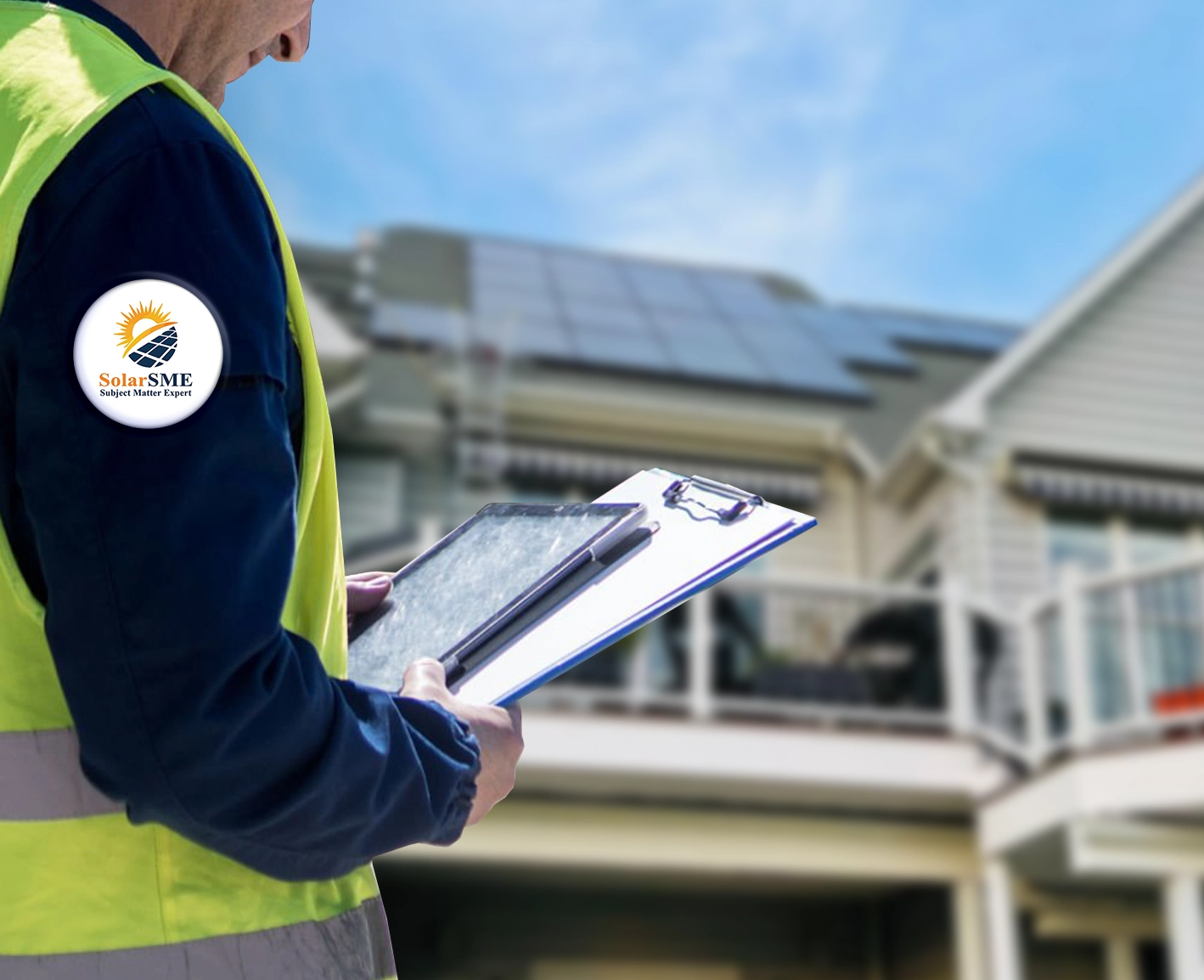
You don’t need to guess whether your warehouse or manufacturing facility is a good candidate for solar. Solar SME can evaluate your roof, energy profile, electrical infrastructure, and operational requirements and help you determine whether commercial solar or solar + battery storage makes sense for your business.
Frequently Asked Questions
It depends on the roof's construction, condition, available space, and structural capacity. A large roof does not automatically mean it is suitable for solar. Solar SME recommends a roof and site assessment before committing to a commercial solar installation.
It varies by facility. System size, roof space, electricity consumption, operating hours, utility rules, and solar production all affect the potential offset. Manufacturing facilities with continuous or nighttime loads may have a different solar utilization profile than daytime-operated warehouses.
Solar may reduce grid-supplied electricity during periods of solar production, which can potentially affect demand-related costs. The actual impact depends on your utility rate structure and facility load profile.
Not necessarily. Warehouses with strong daytime electricity consumption may have a different storage need than manufacturing facilities operating across multiple shifts. Battery storage should be evaluated based on the facility's load profile, utility rate structure, operating schedule, and project objectives.
Solar SME offers commercial solar operations and maintenance services to help businesses monitor, maintain, troubleshoot, and support their solar assets after installation.
Related Articles:
Big Tech is bypassing the grid with on-site solar to overcome transmission delays and rising costs. Learn how commercial solar financing, PPAs, and tax equity make on-site solar accessible and profitable for large-scale operations in 2026.
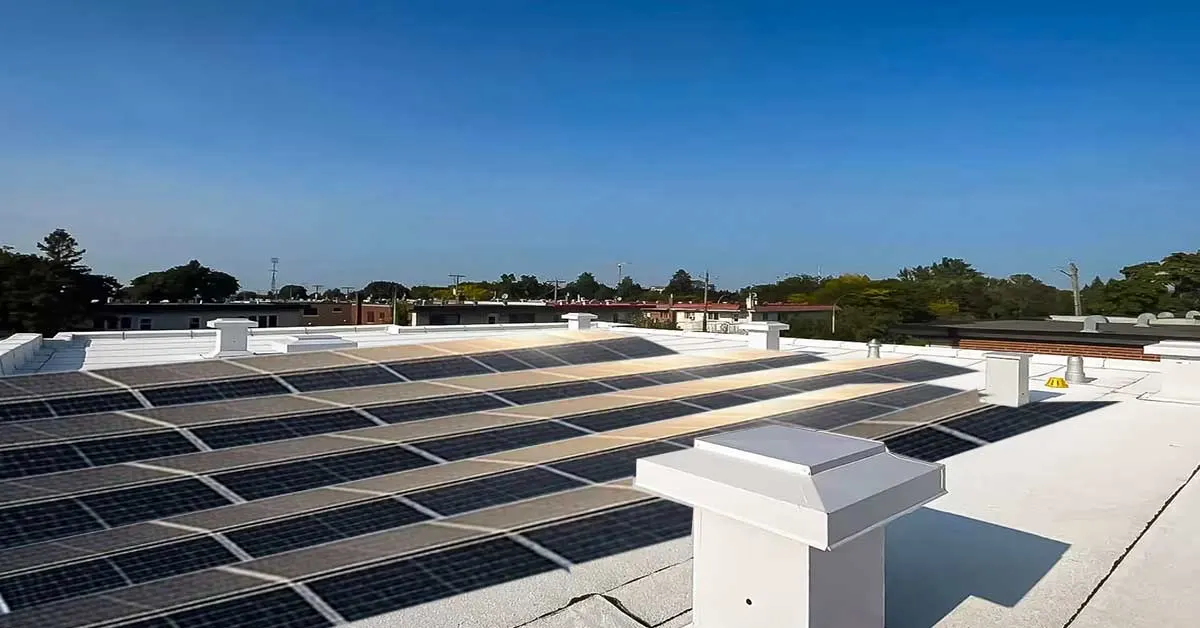
Flat roof solar systems offer huge potential but only if optimized correctly. Learn how panel angle, albedo, and spacing impact performance. Discover how to design a high-efficiency PV system that maximizes output and delivers better long-term savings.
The future of AI depends on resilient energy systems. Explore how solar photovoltaic systems combined with battery storage help data centers manage peak demand, lower emissions, enhance uptime, and strengthen ESG performance.