

SolarSME, Inc. Solar for Nonprofits
Turn Rising Utility Costs into Mission-Focused Savings
Nonprofits work hard to make the most out of each dollar spent. However, rising electricity costs may be consuming up an increasingly larger portion of a nonprofit’s budget, especially those facilities that operate 24/7 or have HVAC, refrigerators, lighting systems, medical devices, kitchen facilities, or programs serving communities.
Solar for nonprofits allows qualified organizations to save on long-term electricity expenses while channeling more dollars towards their programs and communities served.
Solar SME helps mission-driven organizations to consider commercial solar installation, battery backup, solar financing, and funding options as a complete energy solution.
Why Solar Makes Sense for Mission-Driven Organizations?
For mission-driven organizations, each operating dollar counts. Solar can help nonprofits control rising electricity costs while supporting financial stability, operational resilience, and long-term sustainability goals.
1. Redirect Utility Spending Toward Your Mission
High energy bills can divert money from program and service expenses. Solar panels can help nonprofits cut their energy expenses and direct more of their operating dollars towards their mission.
2. Create More Predictable Operating Costs
As nonprofits typically operate under a limited or volatile budget due to the nature of their funding, solar energy systems can reduce any exposure to rising electricity costs, making long-term facility budgeting more predictable and supporting stronger financial planning.
3. Protect Critical Services During Power Outages
In case of outages, which can affect shelter services, food banks, clinics, community centers and other vital organizations, solar paired with battery backup can help power essential equipment during long outages.
4. Turn Sustainability into a Funding Opportunity
A solar project can support more than energy savings. It can become part of a nonprofit’s sustainability strategy, capital campaign, or major-donor initiative, helping demonstrate measurable environmental and community impact to funders and stakeholders.
Common Nonprofit Facilities That May Fit Solar
Nonprofits operate very different types of facilities, but many have substantial and predictable electricity requirements. Potential candidates include:
- Food banks and food distribution centers
- Homeless shelters
- Community centers
- Nonprofit health clinics
- Youth and family-service organizations
- Arts and cultural organizations
- Environmental organizations
- Social-service organizations
- Community development organizations
- Nonprofit administrative facilities
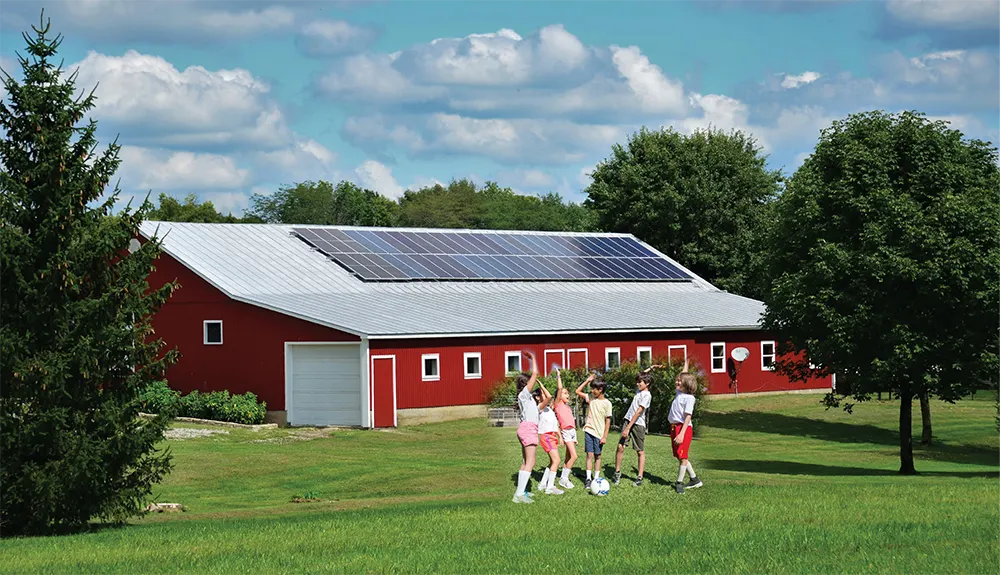
- Rural nonprofit facilities
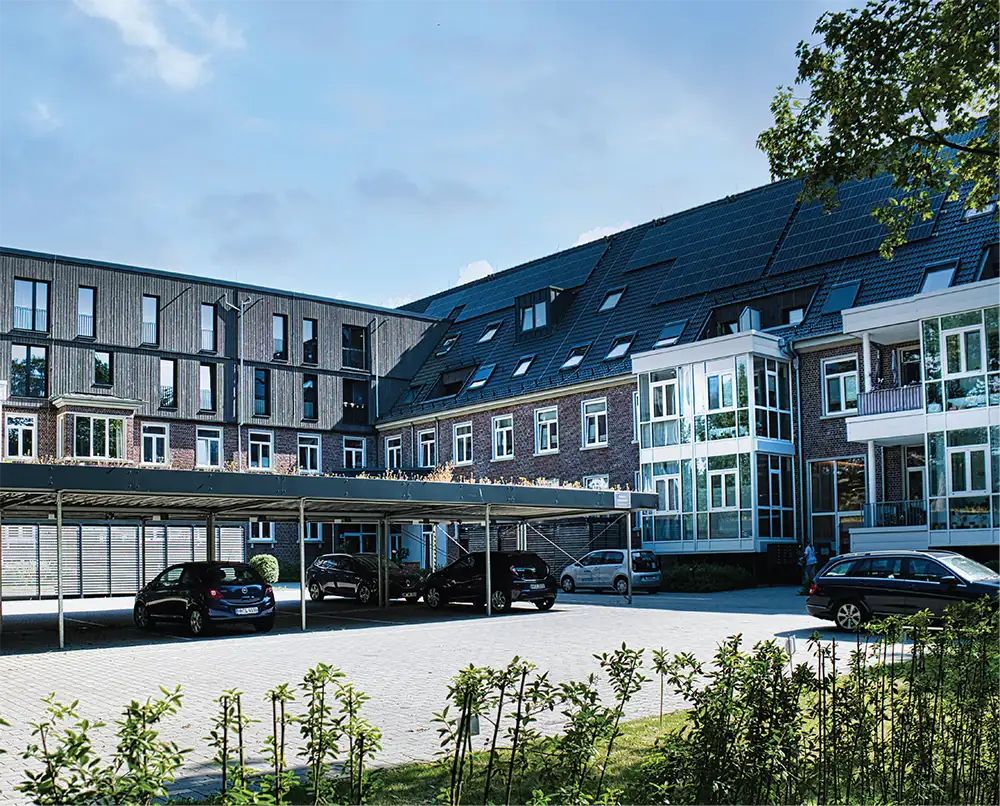
- Multi-building nonprofit campuses
For organizations searching for a local nonprofit solar installer, the first step is determining whether the facility, electrical usage, ownership structure, and project economics support solar.
Solar + Battery Backup for Nonprofit Facilities
Solar can save on electricity expenses, but often, a non-profit organization requires more resilience than saving money. Power interruptions might affect refrigerators, medical equipment, communication tools, surveillance systems, shelter management, computers, internet connection, and other vital activities performed by the organization. A solar-plus-storage system can be designed around the nonprofit’s most important electrical loads.
Solar panels can generate electricity in daylight, while batteries will allow using stored energy when it is required. The system can be designed around critical-load priorities rather than attempting to back up every electrical load.
For nonprofits that require greater resilience, Solar SME can evaluate commercial battery storage and solar backup options alongside the solar installation.
Funding a Nonprofit Solar Project
For most non-profits, the question is not how to install a solar energy system in their facilities. The question is: how to fund the project without increasing operational budget expenses? Solar SME can help to analyze possible ways of funding the project rather than considering it as an equipment procurement.
Federal Direct Pay for Tax-Exempt Organizations
Tax-exempt organizations may have access to Direct Pay, also known as Elective Pay, for eligible clean-energy projects. This can create an important funding pathway for nonprofits that do not typically benefit from traditional federal tax credits.
Stack Utility, State & Foundation Funding
Nonprofits may have opportunities to combine multiple funding sources depending on their location and eligibility. Utility programs, state initiatives, foundation grants, and other funding opportunities can potentially complement federal incentives and reduce the financial burden of a solar project.
Low-Income Communities & Environmental-Justice Opportunities
Some nonprofit solar projects may qualify for additional incentives based on their location or community characteristics. Solar SME can help identify whether applicable low-income community or environmental-justice opportunities should be considered as part of the project's overall funding strategy.
PPAs & Leases When Upfront Capital Is Limited
When purchasing a solar system outright is not practical, nonprofits may consider financing alternatives such as PPAs or leases. These structures can reduce upfront capital requirements while providing another pathway toward adopting solar without placing immediate pressure on operating reserves.
What to Bring to Your Board or Finance Committee?
A strong nonprofit solar proposal should clearly explain:
- Current electricity costs
- Historical energy consumption
- Proposed solar system size
- Expected energy production
- Project cost
- funding opportunities
- Financing alternatives
- Estimated long-term savings
- Facility ownership status
- Roof/site requirements
- Battery backup options
- Critical loads that could be supported
- Maintenance considerations
- Project timeline
- Key assumptions and risks
Solar SME can help organize these technical and financial considerations into a proposal that is easier for nonprofit decision-makers to evaluate.
Is Your Nonprofit Facility a Good Fit for Solar?
Not every nonprofit facility is ready for solar.
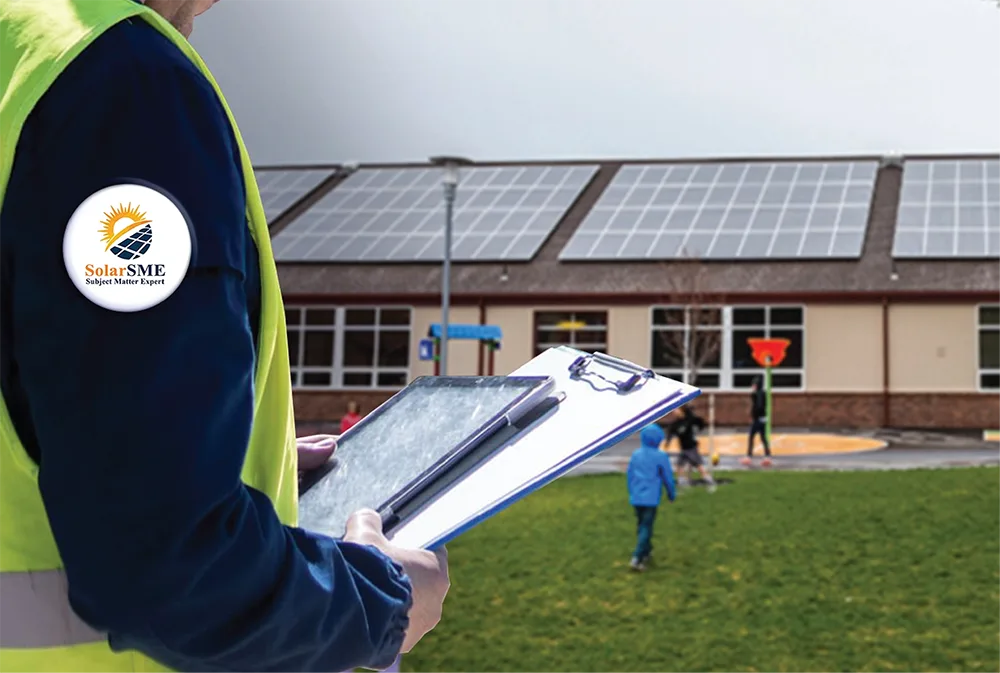
A professional commercial solar assessment should consider the building, site, electrical system, ownership structure, energy usage, and financial objectives before recommending a system.
Owned vs. Leased Buildings
Building ownership can directly affect your nonprofit’s ability to install solar. Owned facilities typically offer greater control, while leased properties may require landlord approval and careful review of lease terms, roof rights, project ownership, and long-term agreements.
Roof & Site Considerations
Your roof and property play an important role in solar feasibility. Solar SME can assess available roof area, orientation, shading, structural conditions, electrical service, and potential ground-mounted options to determine how your nonprofit facility can accommodate a solar system.
Energy Usage Matters Too
Your nonprofit’s electricity consumption helps determine the appropriate solar system size and potential savings. Solar SME can review utility bills, usage patterns, daytime demand, and critical loads to evaluate solar production, battery storage opportunities, and overall system requirements.
Why Choose Solar SME for Non Profit Solar Installation?
Solar SME helps nonprofits look beyond solar installation to the bigger picture, energy savings, funding opportunities, facility needs, and reliable backup power.
Solar SME has:
- 10+ years of solar industry experience
- In-house installation teams
- Licensed and insured professionals
- Commercial and residential solar experience
- Battery storage capabilities
- Tier-1 solar equipment options
- Long-term warranty options
Ready to Explore Solar for Your Nonprofit?
Your organization’s electricity budget should support your mission, not compete with it.
Solar SME can evaluate your facility, energy usage, ownership situation, solar potential, battery backup needs, and potential funding pathways to determine what a realistic project could look like.
Frequently Asked Questions
Eligible tax-exempt organizations may use Elective Pay to receive certain qualifying clean-energy incentives. Eligibility and project requirements must be evaluated for each project.
Potentially. Funding sources can have different eligibility and stacking rules, so each grant and incentive should be reviewed before assuming they can be combined.
A leased facility can create additional challenges. Landlord approval, lease terms, roof rights, project ownership, and contract length should be reviewed before pursuing a solar installation.
Yes, depending on the facility and system design. Solar can reduce grid electricity use, while battery storage can be designed to support selected critical loads during outages.
Related Articles:
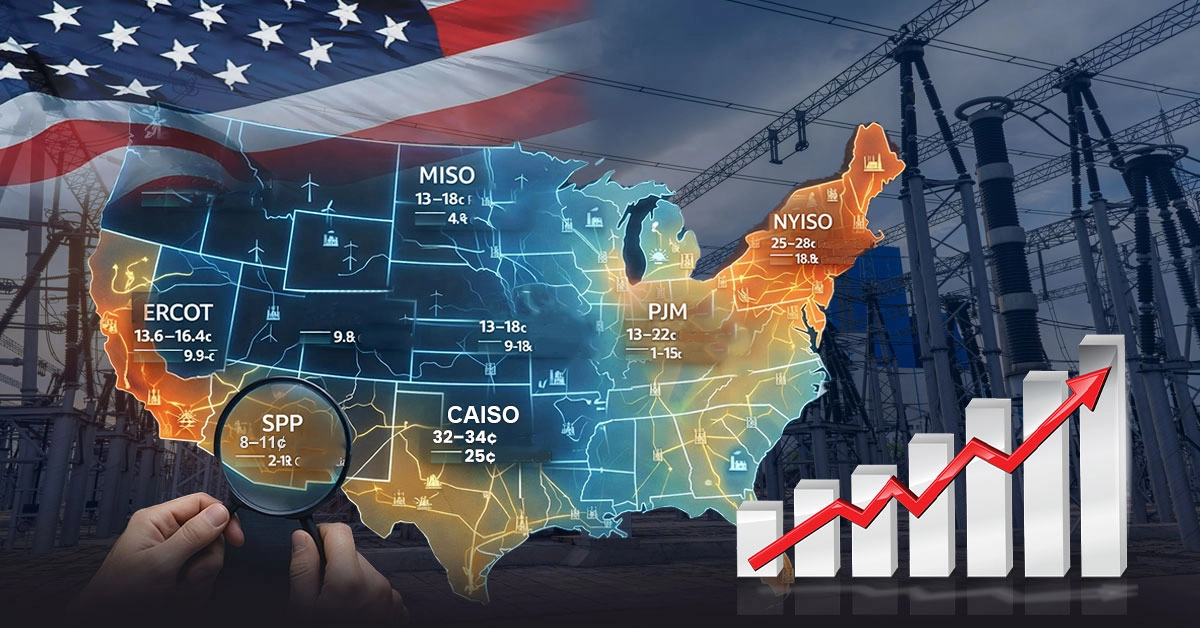
America's power grid isn't one unified system. It's made up of regional networks with different fuel mixes, infrastructure, market rules, and utility companies. Discover how these hidden differences affect electricity rates across the U.S. and why your monthly electric bill may be higher than expected.
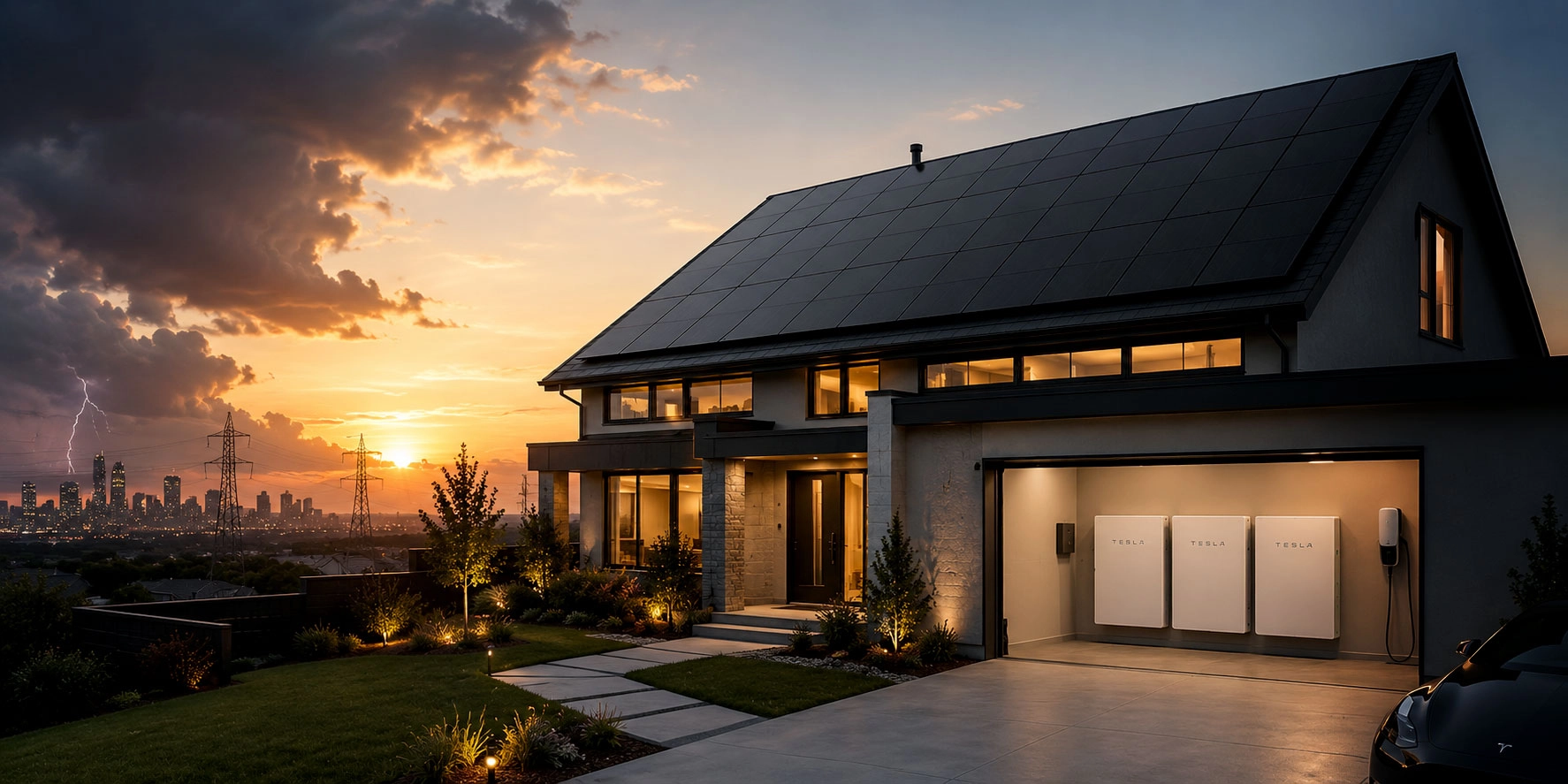
Rising utility prices and grid instability are changing how Americans power their homes. Explore why thousands of homeowners are investing in solar panels with battery storage to secure backup power, avoid peak electricity costs, and gain greater control over their household energy future.
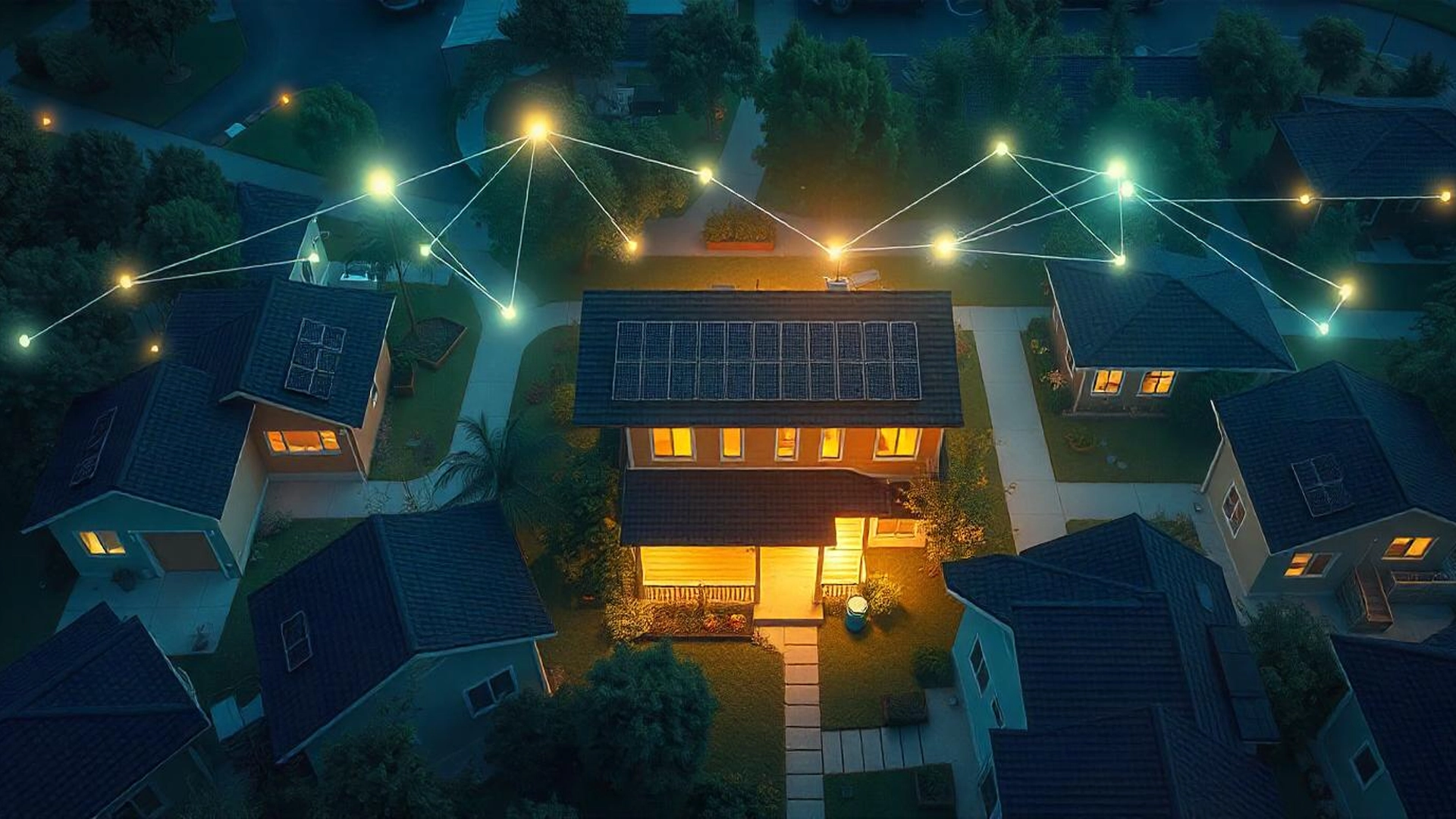
2026 is a game changer for solar energy as the U.S. accelerates its transition toward a sustainable future. Because of skyrocketing energy bills, persistent inflation, and increasingly frequent long power outages.