SolarSME, Inc. Solar for AI Data Centers
Powering AI Growth with Smarter Energy Infrastructure
The use of artificial intelligence is creating a new generation of data centers that have unprecedented computing capabilities and extraordinary demands for electricity. As GPU-based workloads become more common, data center operators find themselves under increasing pressure regarding power availability, costs, grid constraints, reliability, and sustainability. It is not just about providing more electricity to data centers; it is about providing reliable and sustainable sources of power.
Solar SME helps data centers address these challenges with commercial solar, battery energy storage, and backup power solutions designed around high-demand computing environments. Whether it is about expanding an existing data center or designing an entirely new data center campus based on artificial intelligence, Solar SME evaluates opportunities for on-site solar power and energy storage solutions.
Why Do AI Data Centers Need a New Approach to Energy?
AI data centers are different from many traditional commercial facilities. High-density computing equipment, cooling systems, networking infrastructure, and other critical systems can create substantial and continuous electricity demand.
Rapidly Growing Electricity Demand
The development of AI is leading to more electricity being demanded by data center computing hardware and electricity consumption. A recent study conducted by the U.S. Department of Energy and Berkeley Lab suggests that the data centers may account for 11.8% of total US electricity by 2030, depending on future developments. It has led to increased importance of power availability and energy management in AI infrastructure.
Power Availability Can Become a Development Constraint
Big data centers need large new capacities for electricity consumption. According to the Department of Energy, data center loads are likely to have major effects on electricity due to the size, geographical limitations, and reliability required in data centers. Solar power can increase generation capacity, and batteries can increase flexibility of the use of electricity.
Energy Costs Matter at Data-Center Scale
Even modest savings in energy costs through better electricity sourcing and management can become significant when applied to a facility working non-stop with heavy electrical loads. A well-designed solar energy system for a data center will help produce electricity on-site and decrease reliance on grid electricity during solar generation times.
How Solar Can Support AI Data Centers?
Solar is not a replacement for the grid or the complete power architecture required by an AI data center. Instead, it can become one component of a broader energy strategy designed around the facility’s electrical demand, available site area, utility infrastructure, and operational requirements.
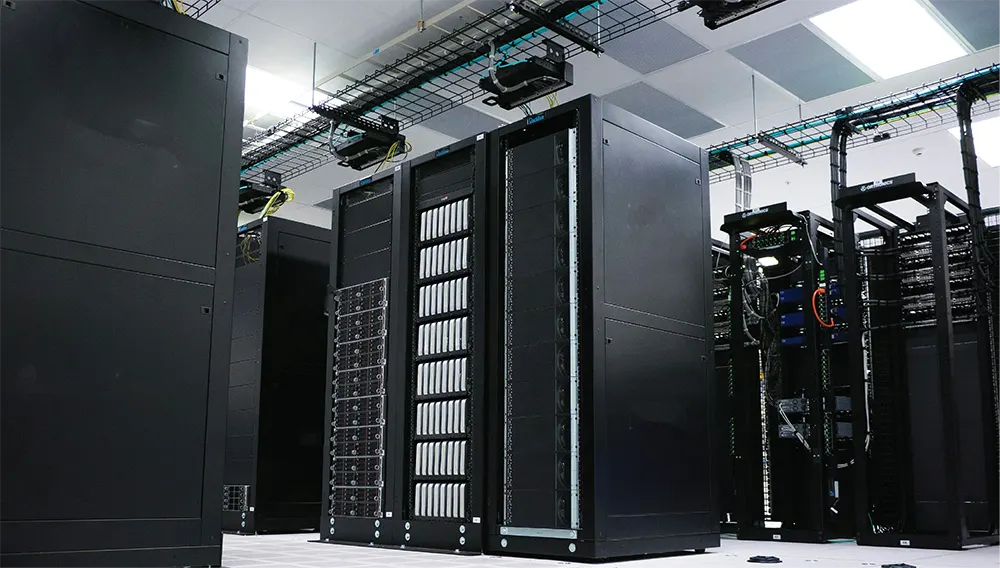
Generate Power on Site
A commercial solar installation for a data center can convert available rooftop, ground, or other suitable areas into an on-site source of electricity. Solar production can offset a portion of the facility's grid electricity consumption while reducing the amount of power that must be purchased during solar-generation periods.
Use Available Land More Productively
Large AI and hyperscale data centers may have substantial land requirements and surrounding infrastructure. Where site conditions permit, ground-mounted solar or other solar configurations can be evaluated alongside the facility's overall development plan. The right approach depends on available acreage, interconnection requirements, shading, equipment placement, setbacks, and future expansion plans.
Reduce Dependence on Grid Power
Solar does not eliminate the need for utility power at an AI data center. Instead, it can diversify the facility's energy resources by generating electricity locally. For facilities facing increasing electricity demand, that additional generation can become part of a broader strategy for managing energy consumption and future capacity requirements.
Solar + Battery Storage for AI Data Centers
For AI infrastructure, solar becomes even more useful when paired with energy storage. Solar produces energy when the sun is available. Batteries allow stored energy to be managed and used later. This combination can help data-center operators move beyond a simple solar-generation strategy toward a more flexible energy system.
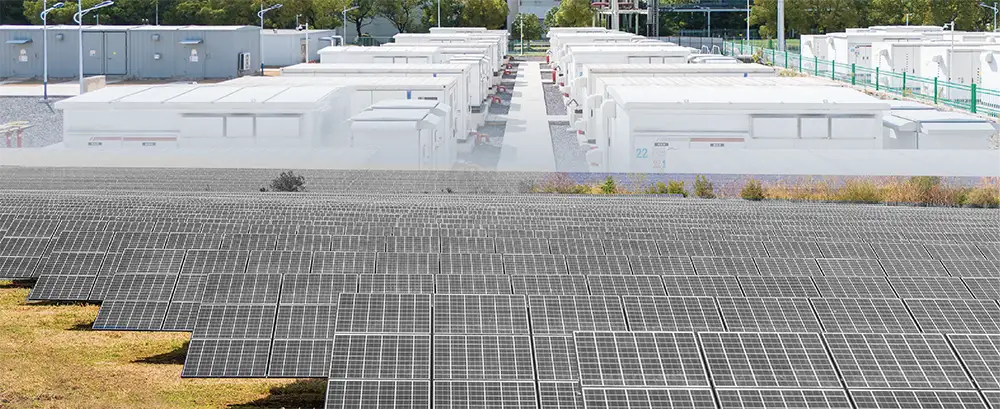
Store Excess Solar Energy
When solar production exceeds the facility's immediate needs, a properly designed battery system can store available energy rather than allowing all of that generation to go unused or be exported, depending on the system and utility arrangement.
Manage High-Value Energy Periods
Battery storage can allow stored energy to be used during selected periods when grid electricity is more expensive or when the facility's energy-management strategy calls for additional flexibility. For large commercial facilities, battery operation should be designed around the facility's actual load profile, utility rate structure, and electrical system.
Add Another Layer of Backup Capability
Data centers already require sophisticated backup infrastructure. Solar and battery storage should not be presented as a substitute for a data center's required UPS, generator, or other mission-critical backup systems. Instead, a properly engineered battery energy storage system can complement the facility's broader backup strategy and potentially support defined loads or operational functions.
Designing the Right Solar System for an AI Data Center
There is no universal solar size for a data center.
The system should be based on the facility’s actual electrical characteristics and project objectives.
Facility Load
Understand electricity consumption, demand patterns, operating schedules, and future load growth.
Available Solar Area:
Evaluate rooftops, ground space, parking areas, and other suitable locations for solar.
Electrical Infrastructure:
Consider service capacity, electrical distribution, interconnection requirements, and system integration.
Battery Storage Needs
Determine whether battery storage can support energy management, defined backup loads, or other operational objectives.
Future Expansion
Consider expected increases in computing capacity, cooling demand, and electrical load when developing the solar and storage strategy.
Financing Your Data Center Solar Project
Solar and battery storage can be a significant infrastructure investment, especially for large-scale AI and data-center facilities. The right financing approach depends on project size, ownership, cash-flow goals, and whether the system is purchased or financed.
Cash or Capital Budget
Direct ownership without ongoing financing payments.
Solar Loan Financing
Spread project costs over time while retaining system ownership.
Power Purchase Agreement (PPA)
A third party owns the system while the data center purchases the generated electricity.
Solar SME can help evaluate available project structures and connect the solar investment with your facility’s energy and operational goals.
Why Choose Solar SME for Data Center Solar?
Solar SME helps nonprofits look beyond solar installation to the bigger picture, energy savings, funding opportunities, facility needs, and reliable backup power.
Solar SME has:
- 10+ years of solar industry experience
- In-house installation teams
- Utility & Interconnection Considerations
- Commercial solar installation expertise
- Solar + battery storage options
- Solutions for critical facilities
- Tier-1 solar equipment options
- Long-term warranty options
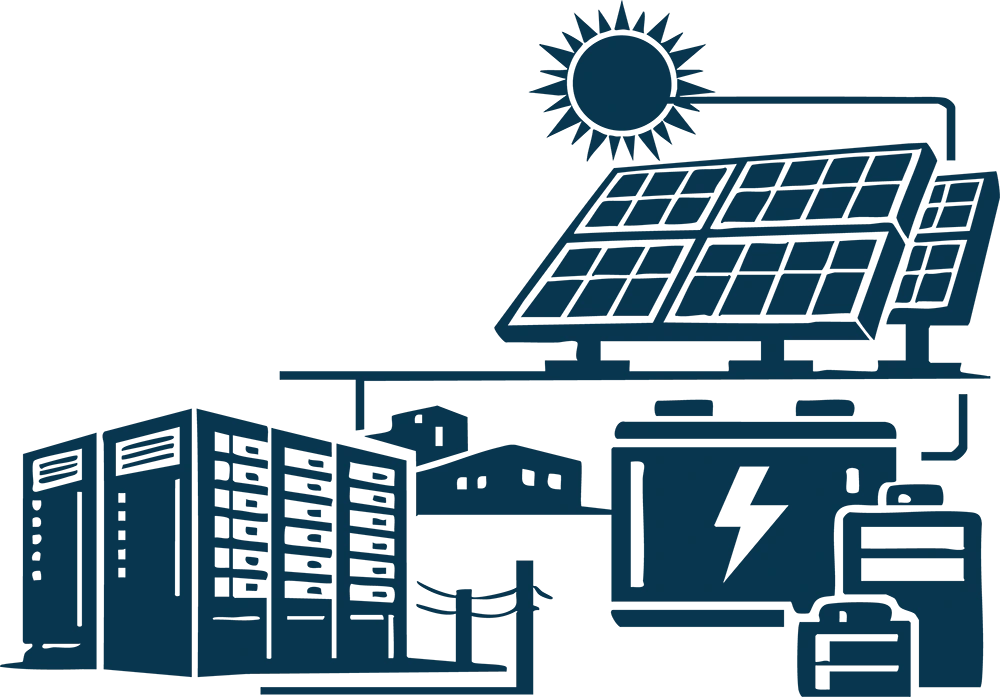
Ready to Explore Solar for Your AI Data Center?
As AI increases the demand for reliable, scalable electricity, data-center operators are looking for more ways to strengthen their energy strategy. Solar SME can help evaluate how commercial solar, battery storage, and existing backup infrastructure can work together to support your facility’s energy and resilience objectives.
Frequently Asked Questions
The required solar capacity depends on the data center's electricity consumption, peak demand, operating schedule, available installation area, and future expansion plans. Solar SME can evaluate the facility's load profile to determine an appropriate system size.
Solar can reduce electricity purchased from the grid when onsite generation offsets facility consumption. Battery storage may provide additional value through peak-demand management and energy shifting. Actual savings depend on utility rates, load profiles, system design, and applicable programs.
Solar and battery storage can potentially be integrated with existing generators as part of a coordinated energy or microgrid system. Proper engineering is required to manage controls, load requirements, protection, inverter behavior, and transitions between grid and backup power.
Depending on the project, financing options may include solar loans, equipment financing, commercial leases, Power Purchase Agreements (PPAs), and solar + battery financing. Availability depends on factors such as project size, ownership structure, location, and eligibility.
Solar SME can evaluate commercial solar installation and battery storage opportunities for data centers, including system design, solar + storage integration, utility considerations, and project requirements. The recommended approach is based on the facility's electrical demand and energy objectives.
Related Articles:
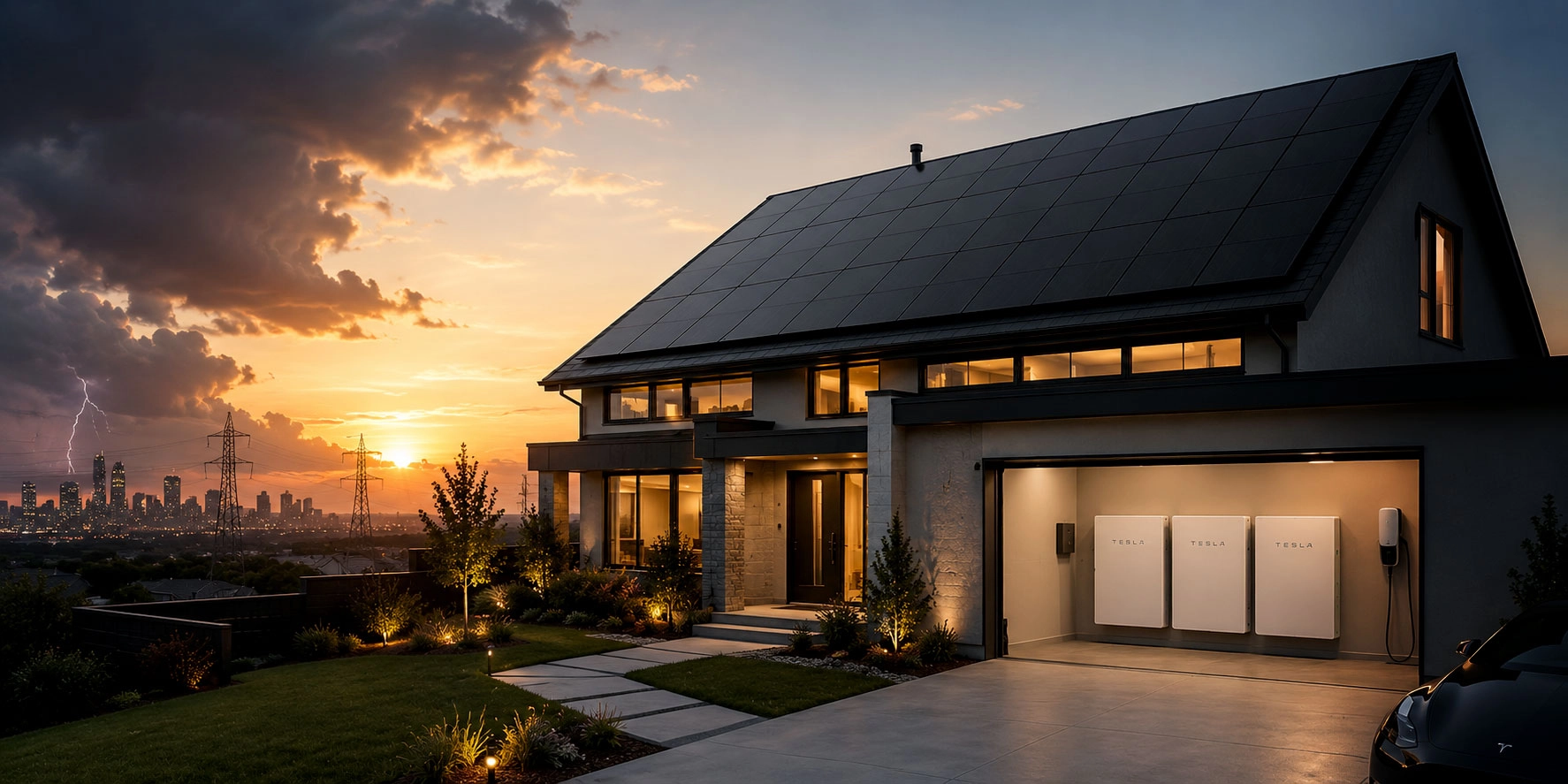
Rising utility prices and grid instability are changing how Americans power their homes. Explore why thousands of homeowners are investing in solar panels with battery storage to secure backup power, avoid peak electricity costs, and gain greater control over their household energy future.
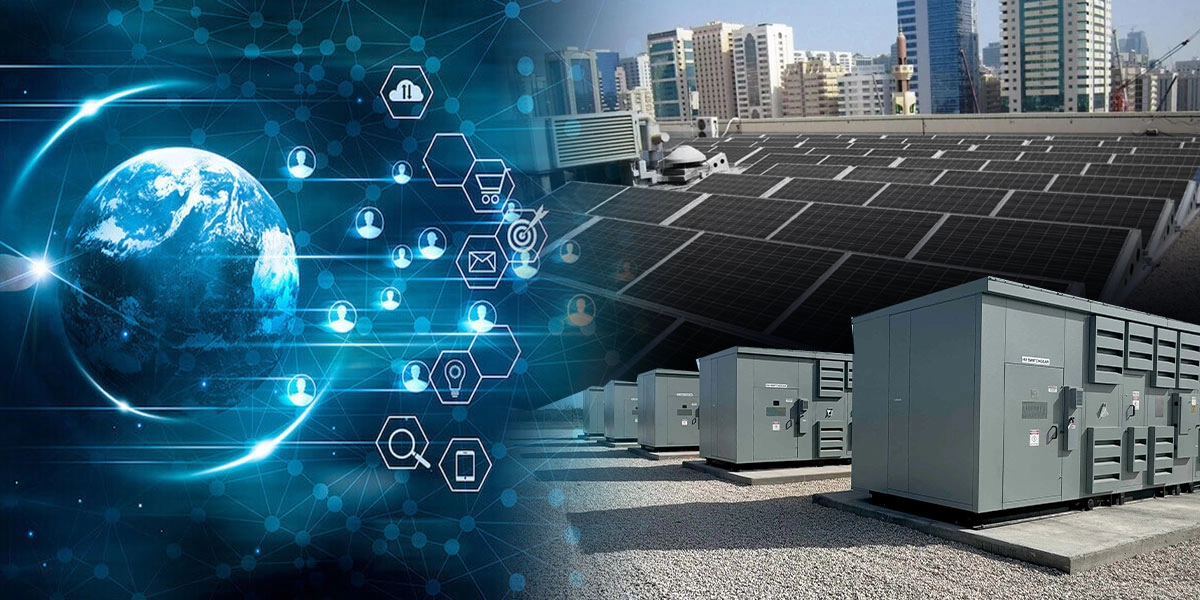
Big Tech is bypassing the grid with on-site solar to overcome transmission delays and rising costs. Learn how commercial solar financing, PPAs, and tax equity make on-site solar accessible and profitable for large-scale operations in 2026.
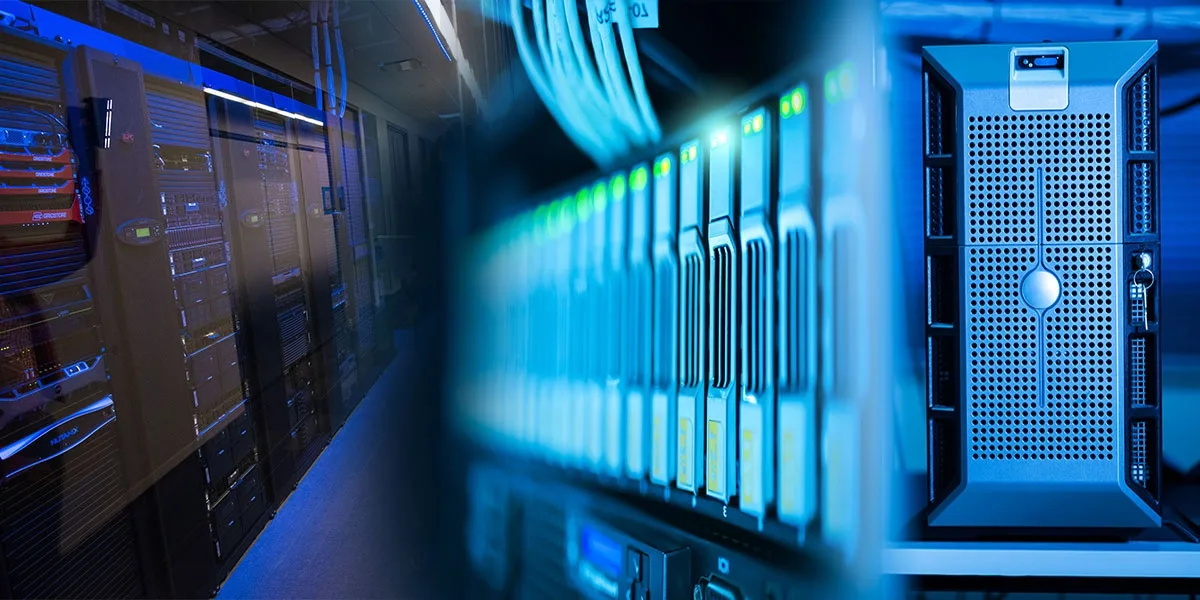
The future of AI depends on resilient energy systems. Explore how solar photovoltaic systems combined with battery storage help data centers manage peak demand, lower emissions, enhance uptime, and strengthen ESG performance.