

SolarSME, Inc.
EV Charger Installation for
Homes & Businesses
As electric vehicles enter the mainstream of daily use, having access to reliable sources of EV charging is just as important as owning the vehicle itself. The right EV charger installation can result in improved performance and efficiency in the charging process and help you effectively balance the electrical needs of your property.
But EV charger installation involves much more than just securing a charger and plugging it into an outlet. Factors like your property’s electrical supply, panel capacity, circuit needs, charging time, vehicle compatibility, and potential future energy needs should all be accounted for, especially when adding multiple chargers or integrating EV charging with solar and battery storage.
Solar SME offers professional EV charger installation for residential and commercial properties, assisting clients in selecting and installing the appropriate charging systems that meet the requirements of their electric vehicles and property. Whether you need Level 2 charging at home or bidirectional EV charging, Solar SME will design your smart EV charging system.
Smart EV Charging Solutions Tailored to Your Property
Not every EV owner or business needs the same charging equipment. A homeowner might require a Level II charger that replenishes an EV overnight. While a commercial property may need multiple charging stations within a property for their staff and clients. Also, a fleet operator may need higher-power charging and electrical capacity planning.
Solar SME evaluates all the requirements regarding the vehicle, the charging station, electrical service provision, the charging site, and future energy requirements before recommending the appropriate system. Some of our EV charger solutions include:

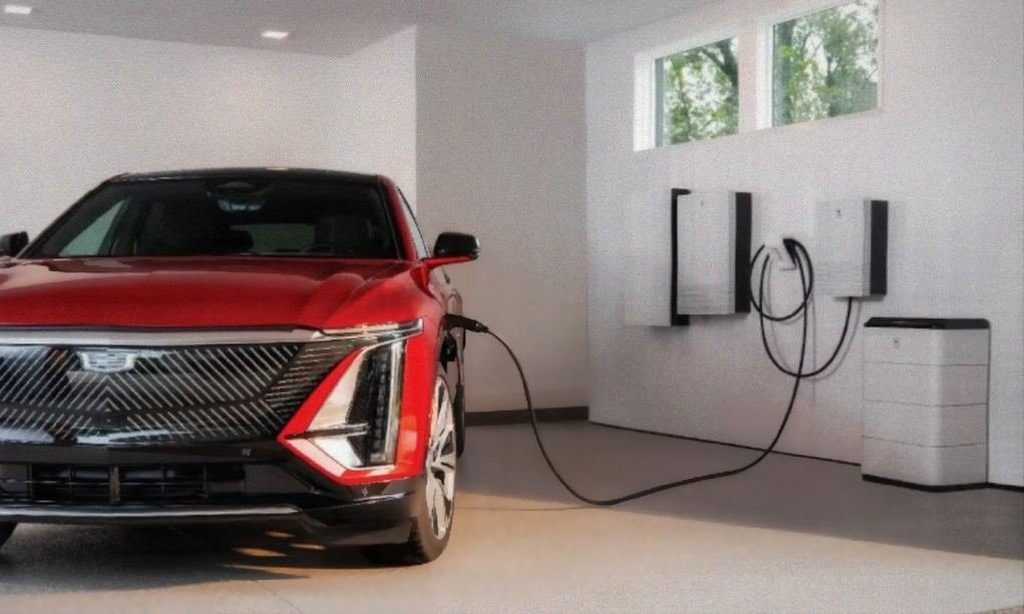
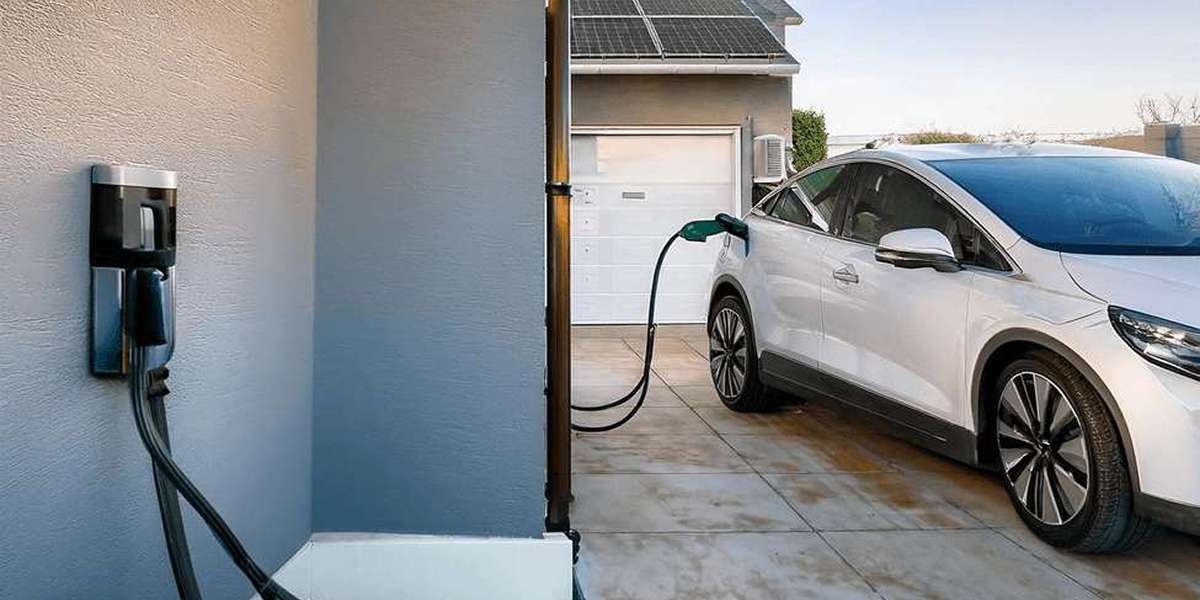
Home EV Charger Installation
In the case of most residential consumers, Level 2 EV charger installation offers the best value proposition regarding charging speed, efficiency, and practicality. Unlike a regular 120V outlet, a Level 2 charger comes with its own 208/240V circuit and is capable of providing significantly more power than the latter. A Level 2 EV charger can usually add about 25-50 miles of driving range per hour.
Solar SME can assess your current electrical panel and decide whether you will be able to install the charger without any electrical upgrades unnecessarily. In addition, in case your existing panel has limited capacity, we can also evaluate load management, subpanel options, or service upgrades rather than assuming a larger electrical service is automatically required.
Business EV Charger Installation
As compared to residential houses, businesses may need completely different requirements when it comes to electric vehicle chargers. Solar SME provides commercial EV charger installation for organizations that want charging for employees, customers, tenants, or company vehicles.

Potential applications include:
- Office buildings
- Retail centers
- Commercial properties
- Restaurants
- Multifamily properties
- Apartment communities
- Parking facilities
- Workplaces
- Fleet facilities
- Convenience locations
- Commercial properties
- Publiccharging locations
In the case of businesses, our focus is not only on installing the EV charger but also on many other aspects including accommodating multiple loads, charging schedules, available electricity, parking space, demand management, and scalability. For larger deployments, Solar SME can help evaluate whether Level 2 charging, DC fast charging, or a combination makes sense for the property.
EV Charging Levels: Level 1, Level 2 & DC Fast Charging
Understanding charging levels is important before selecting an EV charging station.
- Level 1 EV Charging
- Level 2 EV Charging
- Level 3 / DC Fast Charging
Level 1 charging uses a standard household-style 120V AC connection. It is generally suitable for drivers with lower daily mileage who can leave the vehicle connected for long periods, such as overnight.
Best suited for:
Best suited for:
- Low daily mileage
- Occasional EV use
- Secondary vehicles
- Locations where faster charging isn’t necessary
Level 2 charging typically uses 208/240V AC power and a dedicated circuit. It provides substantially faster charging than Level 1 and is commonly used for both residential and commercial EV charging stations. Maryland’s current EVSE guidance, for example, describes Level 2 chargers as 240V equipment capable of approximately 25–50 miles of range per hour on average, although actual results vary by vehicle and charger.
Best suited for:
Best suited for:
- Homes
- Workplaces
- Apartments
- Hotels
- Retail properties
- Offices
- Fleets
DC fast charging, often called Level 3, supplies DC power directly to the vehicle’s high-voltage battery through dedicated charging equipment. These systems can deliver significantly more power than typical Level 2 equipment and are designed for applications where vehicles need to recharge quickly.
Best suited for:
Best suited for:
- Fleet operations
- High-turnover commercial locations
- Public charging
- Travel destinations
- Transportation facilities
EV Charger Brands & Technology We Install
Solar SME works with EV charging technologies that can support different residential, commercial, solar-integrated, and bidirectional applications.
GM Energy PowerShift
Solar SME currently provides installation services for the GM Energy PowerShift Charger for GM-compatible EVs. This system allows for bidirectional power flow and can enable Vehicle-to-Home functionality when paired with the required GM Energy equipment and compatible vehicle.

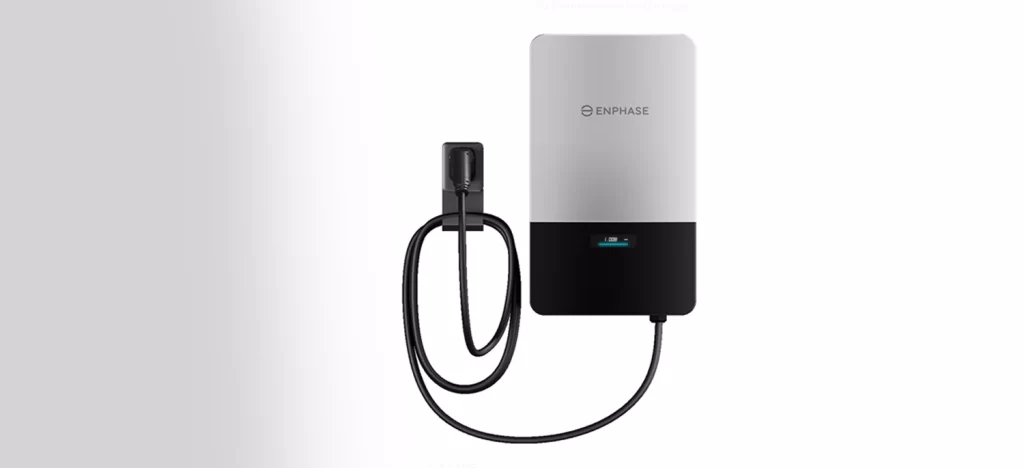
Enphase EV & Bidirectional Solutions
Enphase technology can be integrated into broader solar and energy-management systems. Solar SME’s existing EV content also identifies Enphase bidirectional charging solutions as an installation option.
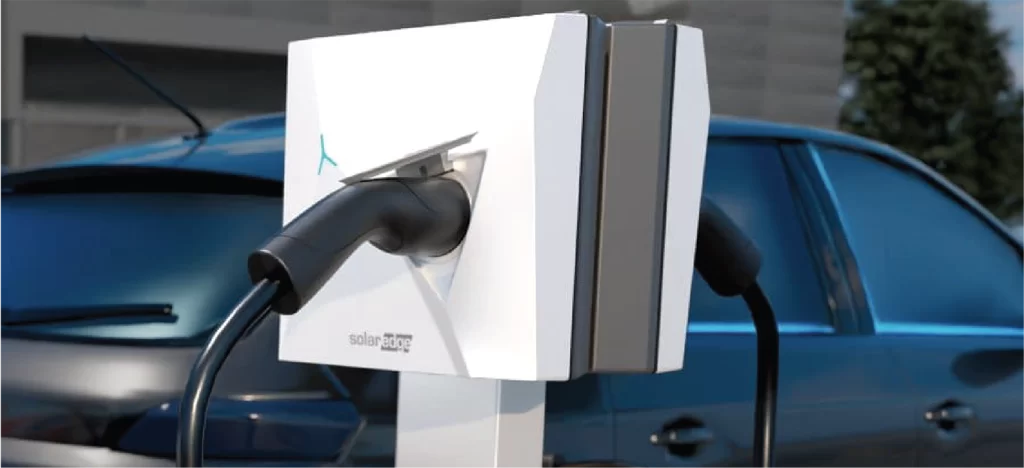
SolarEdge EV Charging Solutions
SolarEdge EV charging technology can be incorporated into solar-powered energy systems, providing an option for customers looking to coordinate EV charging with their solar generation and energy management strategy.
Bidirectional EV Chargers & Vehicle-to-Home Charging
A conventional EV charger primarily moves electricity from the electrical system into the vehicle.
On the other hand, a bidirectional EV charger can allow electricity to flow in both directions. With compatible equipment and an EV that supports bidirectional operation, stored energy in the vehicle can potentially be used to support the home or participate in grid-related applications.
Solar SME provides bidirectional charging solutions for customers interested in Vehicle-to-Home (V2H) and advanced energy management.

Backup Power
With compatible equipment, an EV can function as an additional energy resource during a grid outage. Proper transfer equipment, controls, isolation, and system design are required for safe backup operation.
Grid Support
Vehicle-to-Grid (V2G) technology allows the use of EV energy for supporting the grid during peak usage times. Based on utility company plans and interconnection requirements, EV owners may eventually join demand response and other grid support systems.
EV Charging with Solar & Battery Storage
An EV charger can become even more valuable when it is designed as part of a larger energy system. Solar panels produce electricity primarily during daylight hours, while many EV owners plug in after work. Battery storage can help bridge that timing difference by storing energy for later use. A properly designed solar + battery + EV charging system can coordinate:
Based on the system configuration, the proper intelligent load control system could prioritize either solar generation, battery charging, home loads, or EV charger. This strategy could be quite useful for customers interested in minimizing their grid energy consumption. If your electrical service has limited capacity, intelligent load management can also help coordinate large electrical loads such as an EV charger.
EV Charger Incentives & Rebates
EV charging incentives often fluctuate and can vary based on location, building types, charger type, and installation period. It is important to verify before proceeding. The below EV incentives are currently active:
Maryland EV Charger Rebates
The FY2027 Residential EVSE Rebate Program of Maryland provides residential rebates of up to 50% of total eligible costs, capped at $700, and only Level 2 chargers are qualified. The program is accessible for Maryland residential customers, and the application deadline is set for May 31, 2027, or even earlier if available funds are depleted. There is also a separate Maryland Community EVSE Program for Level 2 and Level 3 chargers’ installations for multifamily housing, parking hubs, and other community charging sites.
Delaware EV Charger Rebates
Delaware’s current EV Charging Equipment Rebate Program supports eligible Level 2 charging installations for multifamily, workplace, fleet, and public-access applications. Depending on project type, eligible projects can receive substantial reimbursement for charger and installation costs, subject to program limits and available funding. Single-family home charging is handled separately through Energize Delaware programs.
Our EV Charger Installation Process
Installing an EV charging station involves more than mounting the charger and plugging it in.
1. Site & Electrical Assessment
We evaluate your electrical service, panel capacity, existing loads, charger location, wiring route, and EV requirements.
2. Charger & Circuit Design
We determine the appropriate charger type, circuit configuration, charging capacity, and potential load-management requirements.
3. Permitting & Coordination
Where required, Solar SME coordinates applicable permits, utility requirements, and inspection processes.
4. Professional Installation
Our team installs the EV charger, wiring, protective equipment, disconnects, and associated electrical components according to the approved design and applicable requirements.
5. Inspection & Commissioning
The system is inspected where required and configured to verify proper operation and charging performance.
6. Customer Walkthrough
We explain the charger, controls, scheduling features, and available energy-management functions so you understand how to use your new charging system.
EV Charger Installation Areas We Serve
Solar SME provides solar, storage, and EV energy solutions across multiple U.S. markets, including:

Why Choose Solar SME for EV Charger Installation?
An EV charger is an electrical system, not simply a piece of equipment. Solar SME brings EV charging together with the broader electrical and energy infrastructure of your property. That means your charger can be evaluated alongside solar, battery storage, electrical capacity, and future energy requirements.
- Home & commercial EV charging expertise
- Customer-focused system design
- Permit and inspection coordination
- Solar + EV charging integration
- Multi-state service coverage
- Ongoing support After installation

Ready for a Smarter EV Charging System?
Whether you’re charging one EV at home, supporting employees and customers, electrifying a fleet, or exploring Vehicle-to-Home backup power, the right charger starts with the right system design. Solar SME can assess your electrical infrastructure and help determine the right EV charging solution for your property.

Frequently Asked Questions
EV charger installation costs will depend on the charger type, the capability of the electrical panel, circuit length, wiring, installation location, permits, trenching, and if an electrical upgrade is needed. Solar SME offers a project-specific analysis and quotation.
For a majority of homeowners, a Level 2 charger is the practical choice because it provides substantially faster charging than a standard 120V outlet. The right charger depends on your EV, electrical capacity, charging habits, and whether you want solar or battery integration.
Yes. Solar SME offers EV charging solutions for commercial purposes such as businesses, work sites, fleet, multifamily, retail and other commercial use cases. System design can account for multiple chargers, electrical capacity, and future expansion.
Yes. It is possible to integrate the EV charger with solar PV. This will help in smart charging to coincide with the production time of the panels, and in addition, the battery storage can be used in case there is no production from the solar panels.
Bidirectional charging allows electricity to move between the grid and a compatible EV and, depending on the system, between the EV and a home or grid. Applications include Vehicle-to-Home and Vehicle-to-Grid energy management.
Bidirectional charging allows electricity to move between the grid and a compatible EV and, depending on the system, between the EV and a home or grid. Applications include Vehicle-to-Home and Vehicle-to-Grid energy management.
A charger installation can involve high electrical loads, dedicated circuits, permitting, and local code requirements. Professional installation helps ensure the equipment and electrical system are properly sized, installed, inspected, and configured.
Yes. EV charging can be designed alongside battery storage to help manage when electricity is consumed and stored. The exact configuration depends on the battery, inverter, charger, vehicle, and electrical architecture.
Related Articles:
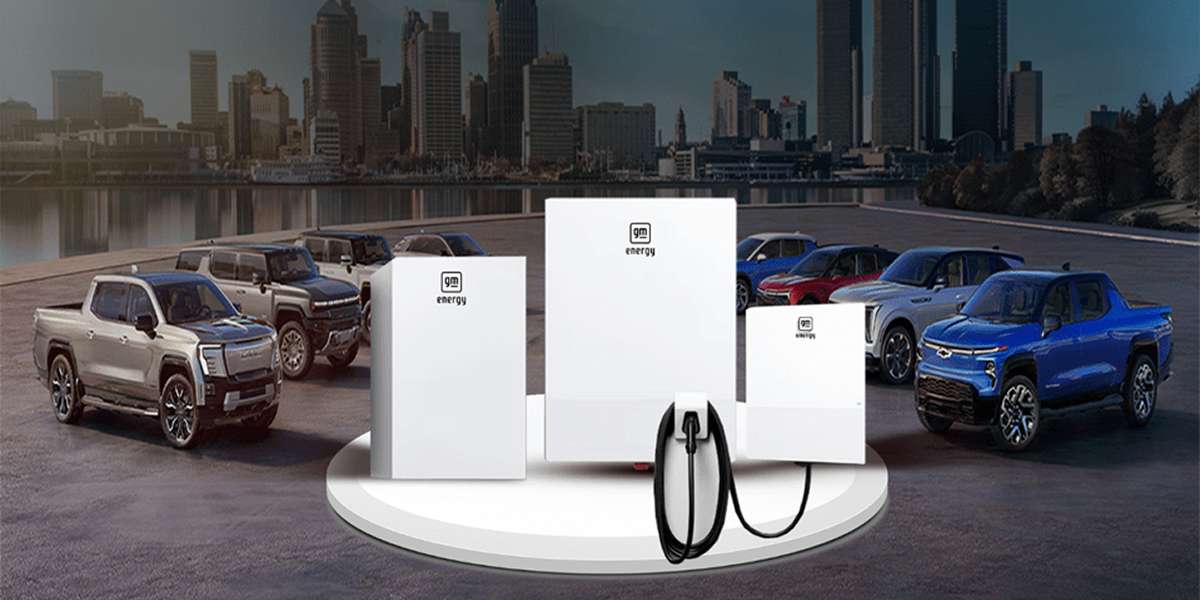
With the increasing trend of using EVs, GM Energy V2H (Vehicle-to-Home) charging system is also gaining popularity.
The trend of electric vehicles is booming in the U.S. as an EV offer more sustainable and cleaner source of transportation.
What if your car could power your home during blackouts? Or, supply excess energy to the grid during peak hours?