SolarSME, Inc. Solar for Municipalities & Government Facilities
Powering Communities with Smarter, More Resilient Energy Solutions
Municipalities face a growing energy challenge including increasing prices of electricity, significant energy demand within various facilities in a municipality and maintaining continuous operation of essential services during outages. The facilities include the municipality hall, library, water and wastewater treatment plant, police station, fire station and emergency operation center among others, each requiring varying energy needs. A good energy plan can assist in tackling both the costs and resilience.
Solar SME designs customized commercial solar and battery storage solutions to municipalities and government facilities, reducing the dependency on grid electricity and providing backup power to specified critical loads. For a municipality or government agency planning on a single project or a full portfolio of municipal solar systems, Solar SME can help evaluate the right solution.
Why Are Local Governments Investing in Solar?
For municipalities, solar is about more than simply generating clean electricity. It can help address ongoing public energy expenses, support high-demand facilities, improve resilience at critical locations, and contribute to long-term sustainability goals. These benefits make solar a practical consideration for cities and counties managing diverse public infrastructure.
Control a Major Public Operating Expense
The municipality has facilities that have high and continuing electricity demands. Solar systems for municipalities can help reduce the amount of electricity purchased from the grid, which can make energy costs more predictable over time for public budgets.
Address High Energy Demand at Treatment Facilities
The water and wastewater treatment facilities could be major energy consumers of the municipality due to operation of pumps, blowers and other energy-consuming treatment equipment. Solar energy can help cover electricity demand at these energy-intensive facilities.
Strengthen Resilience at Critical Facilities
The municipal police station, fire department, or any other emergency facility requires maintaining important operations even when there is no electricity coming from the grid. Battery storage systems combined with solar can help supply backup electricity for designated loads.
Support Municipal Sustainability Goals
Cities and counties may have published climate, sustainability, or clean-energy objectives. A well-planned municipal solar program can help support these goals while making productive use of government-owned buildings and available sites.
Solar Across Your Municipal Building Portfolio
A municipality rarely has a one-size-fits-all energy profile. Solar design should account for each facility’s electricity consumption, roof or site conditions, operating schedule, electrical infrastructure, and future plans.

City Halls, Libraries & Community Buildings
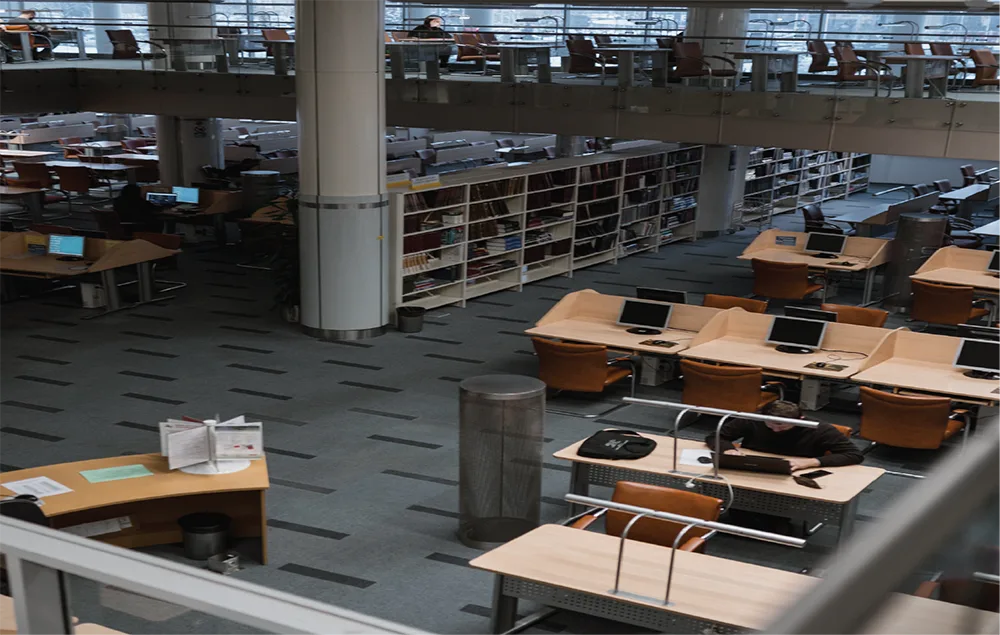
City halls, libraries, recreation centers, and other public buildings can be evaluated for rooftop or other solar installations based on their energy use, available space, electrical system, and future plans.
Water & Wastewater Treatment Facilities
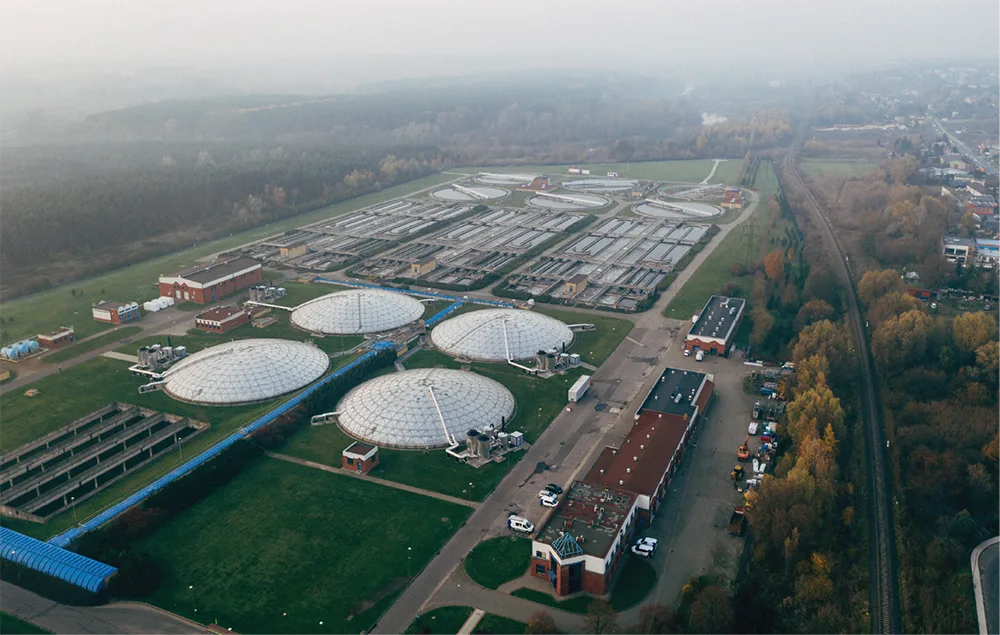
There might be high electricity usage demand at water and wastewater treatment plants since pumps and blowers might operate 24/7. Due to the specifics of energy use, such facilities need to be assessed separately to plan a municipal solar project.
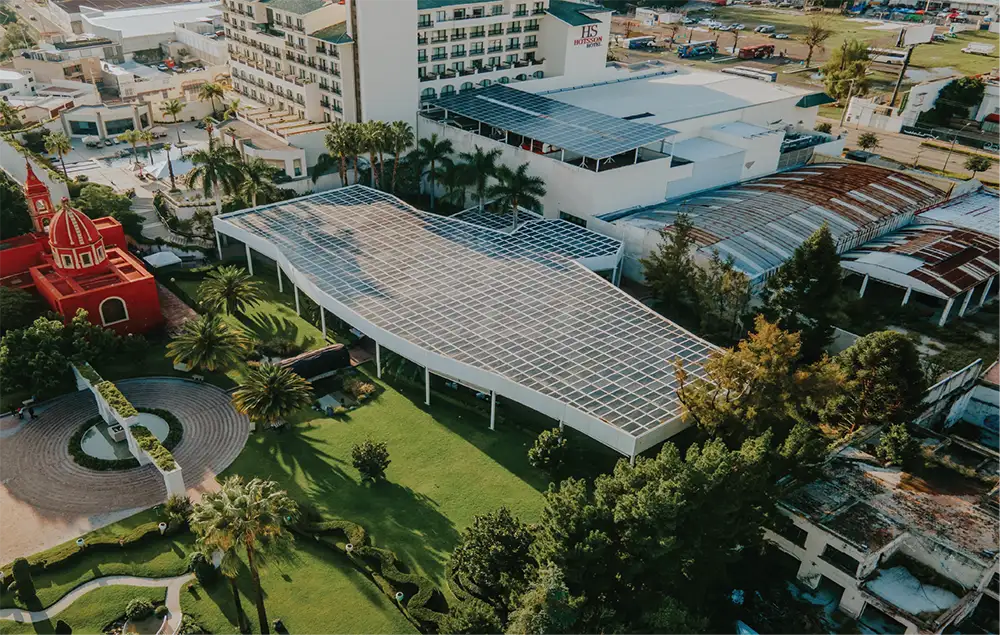
Parking Areas & Public Works Facilities
Parking structures, maintenance yards, and public works facilities are also eligible for solar energy generation. Depending on the property, solar may be installed on rooftops, parking canopies, or suitable ground areas.
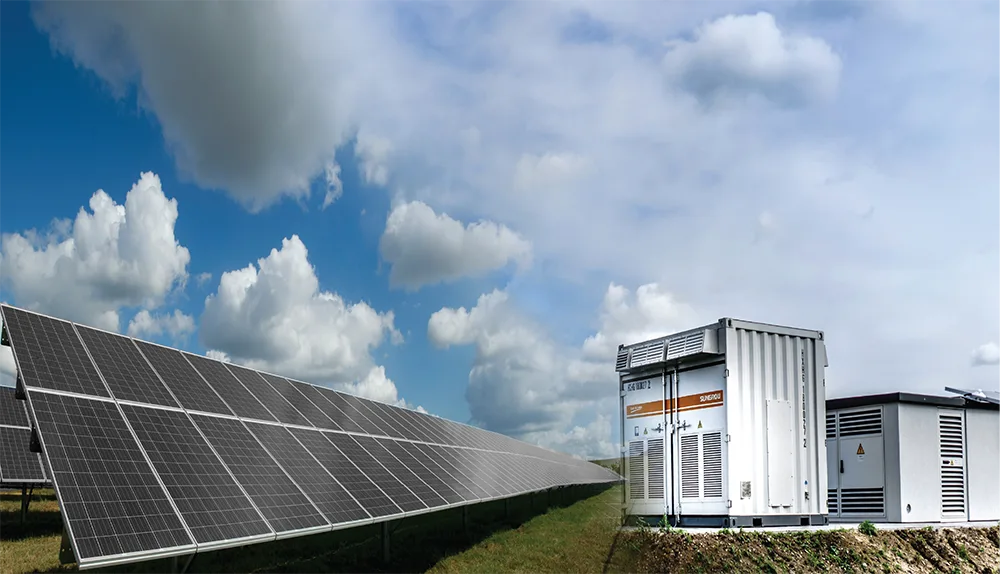
Solar + Battery Backup for
Critical Facilities
For some government buildings, however, saving money is only part of the goal.
Police departments, fire stations, and emergency operation centers, for instance, will need to ensure that their equipment remains operational even if there is a breakdown within the utility grid. Solar panels cannot supply any backup power once there is a power outage. It will be
Solar SME can design solar + battery storage systems around defined critical loads, helping municipalities determine how much battery capacity is appropriate for the facility and its operational needs.

Financing a Municipal Solar Project
Municipalities can consider different ways to finance a solar project depending on their budget, ownership structure, project goals, and local requirements.
Energy Savings Performance Contracts
An Energy Savings Performance Contract (ESPC) is a government-focused financing approach where a qualified provider guarantees a minimum level of energy savings, with project payments made over time from those savings.
Power Purchase Agreements
With a Power Purchase Agreement (PPA), a third party typically owns the solar system while the municipality purchases the electricity it produces under an agreed contract.
Municipal Bonds & Capital Budgets
Some municipalities may use bond funding or capital budgets to finance solar infrastructure. The right approach depends on the municipality's financial strategy and project requirements.
Federal Direct Pay
Eligible government entities may also be able to use Direct Pay for qualifying clean-energy projects. Eligibility and current requirements should be reviewed for each project.
How Does Municipal Solar Procurement Work?
Government solar projects generally follow a more formal procurement process than private commercial projects.
RFPs, RFQs & Competitive Bidding
Depending on the municipality and project structure, a solar project may involve an RFP, RFQ, competitive bidding, or a cooperative purchasing agreement. Solar SME can work within the procurement process established for your project.
Understanding Prevailing Wage Requirements
Prevailing wage requirements can vary depending on the state, funding source, ownership structure, and project details. Solar SME will address applicable requirements during the public-sector proposal process rather than assuming the same rules apply to every municipal project.
Solar for Your Entire Municipal Portfolio
A municipality may have several facilities with very different energy needs. Instead of looking at one building in isolation, Solar SME can help evaluate your municipal property portfolio to identify where solar and battery storage may make the most sense. We consider the facility, electricity usage, available installation space, electrical infrastructure, operational requirements, and project objectives before recommending a solution.
Why Choose Solar SME for Municipal Solar Installation?
Municipalities need energy solutions that support essential services, manage long-term operating costs, and strengthen facility resilience. Solar SME provides tailored commercial solar and battery storage solutions designed around the unique needs of public-sector facilities. From individual buildings to multi-site portfolios, our team can evaluate energy usage, critical loads, project requirements, and available solar opportunities to help municipalities plan practical, long-term energy strategies.
- 10+ years of solar industry experience
- In-house installation teams
- Licensed and insured professionals
- Commercial and residential solar experience
- Battery storage capabilities
- Tier-1 solar equipment options
- Long-term warranty options

Ready to Evaluate Solar for Your Municipality?
Whether you’re planning solar for city hall, a wastewater treatment plant, public works facility, police station, fire department, or an entire municipal portfolio, the first step is understanding where solar and storage make the most sense.

Frequently Asked Questions
Municipal solar can reduce the amount of electricity purchased from the grid. Solar SME evaluates facility energy use, available space, utility costs, and project goals to develop a commercial solar solution suited to the municipality.
Yes. Solar SME can evaluate government facilities such as city halls, libraries, public works buildings, and other municipal properties for commercial solar installation based on site conditions, energy use, and electrical requirements.
Yes. Water and wastewater facilities can have substantial electricity demand. Solar SME can assess the facility's energy profile, available installation areas, and electrical infrastructure to determine whether a municipal solar system is appropriate.
Municipalities may consider options such as Energy Savings Performance Contracts, PPAs, municipal bonds, or capital budgets. Solar SME can help evaluate the solar project structure, while the municipality should confirm applicable financial and procurement requirements.
Solar SME brings commercial solar planning together with battery storage options, helping municipalities evaluate energy costs, facility requirements, and resilience needs in one strategy. We can help assess individual facilities or broader municipal solar opportunities before a project moves forward.
Related Articles:
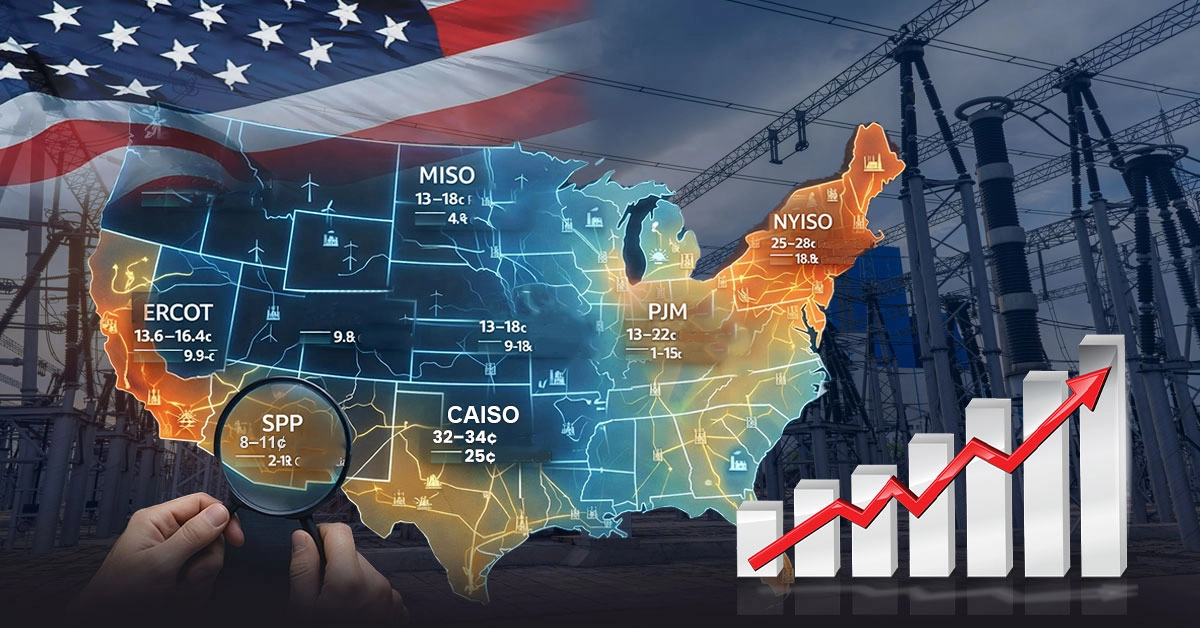
America's power grid isn't one unified system. It's made up of regional networks with different fuel mixes, infrastructure, market rules, and utility companies. Discover how these hidden differences affect electricity rates across the U.S. and why your monthly electric bill may be higher than expected.
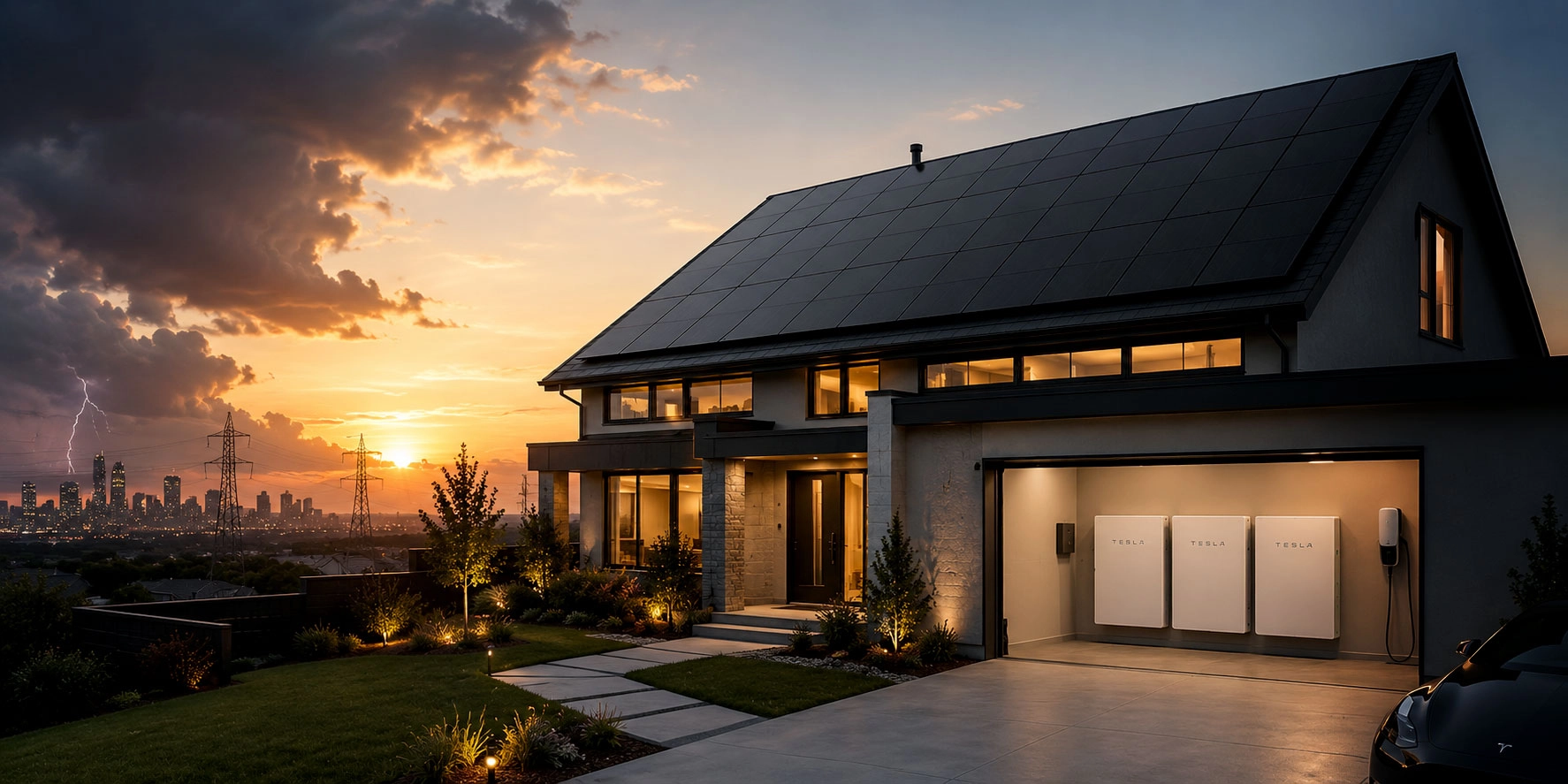
Rising utility prices and grid instability are changing how Americans power their homes. Explore why thousands of homeowners are investing in solar panels with battery storage to secure backup power, avoid peak electricity costs, and gain greater control over their household energy future.
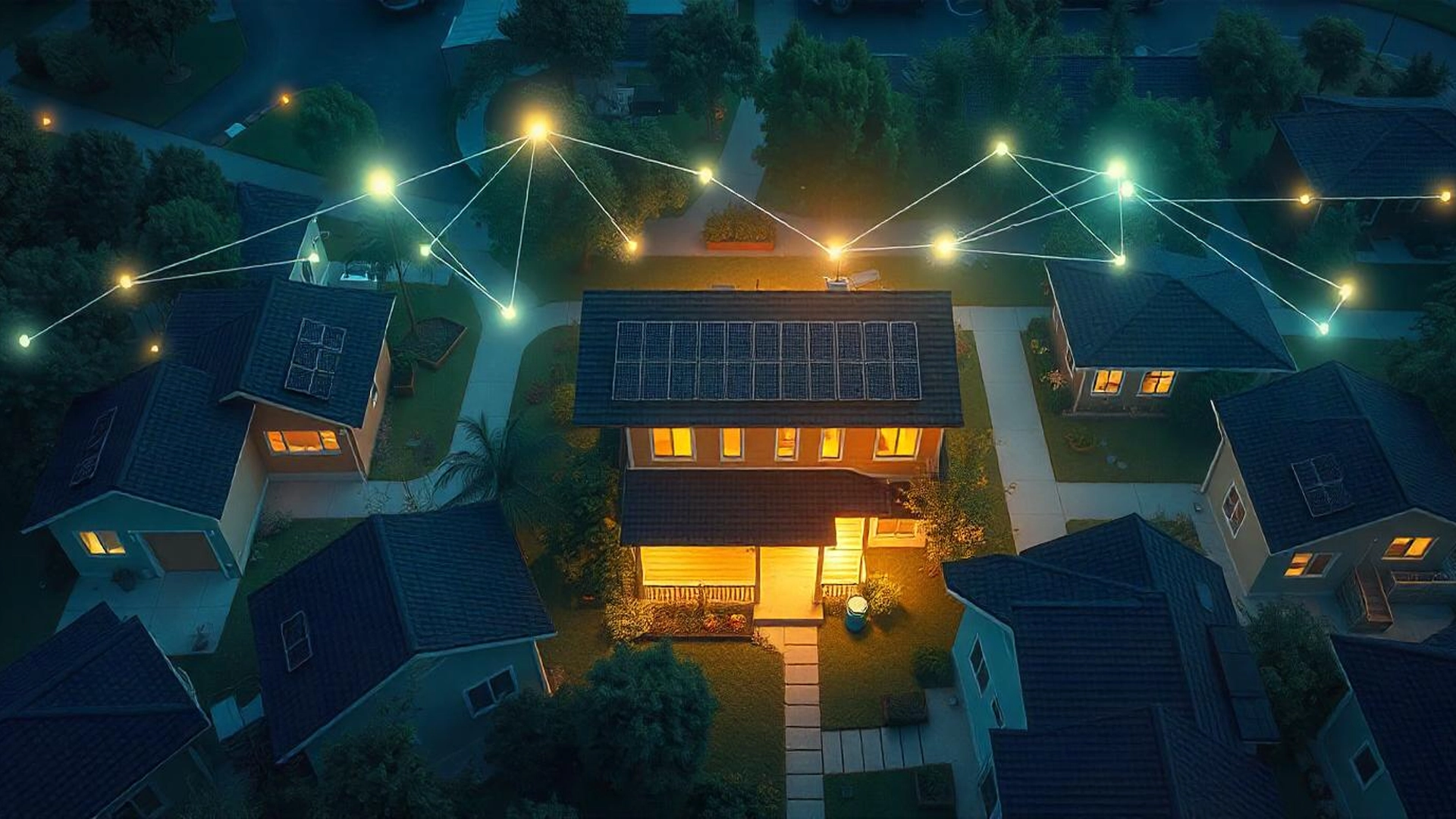
2026 is a game changer for solar energy as the U.S. accelerates its transition toward a sustainable future. Because of skyrocketing energy bills, persistent inflation, and increasingly frequent long power outages.