

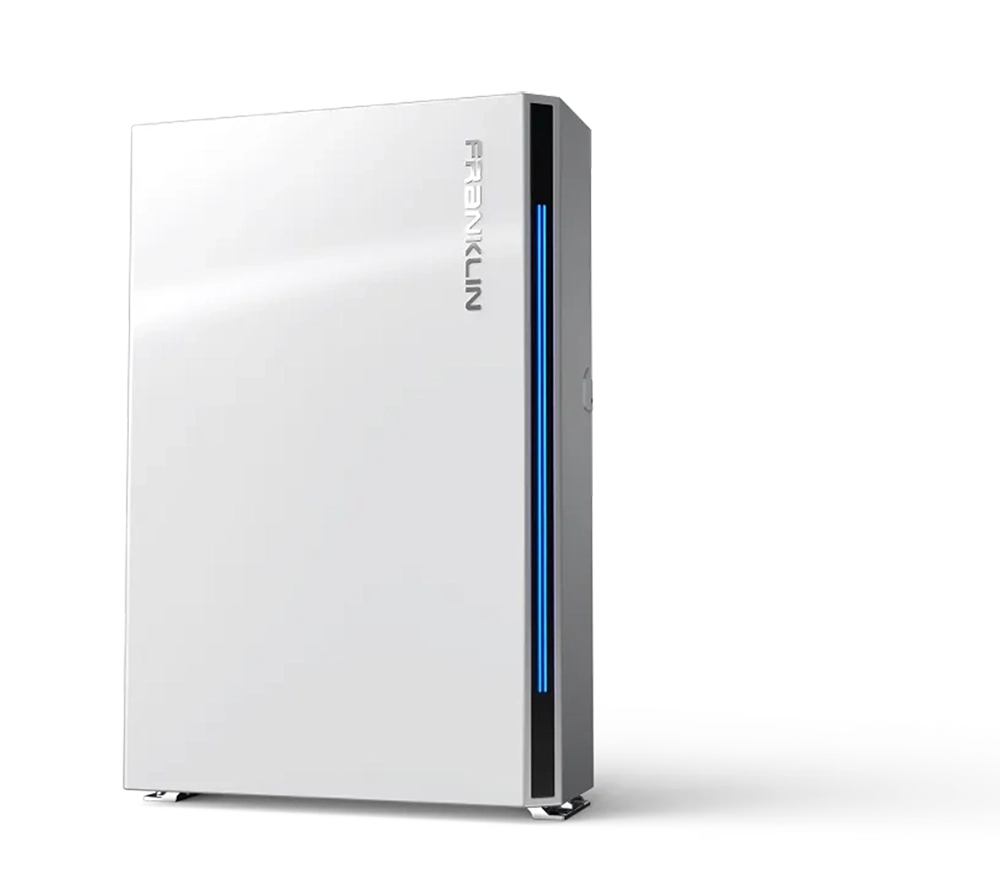
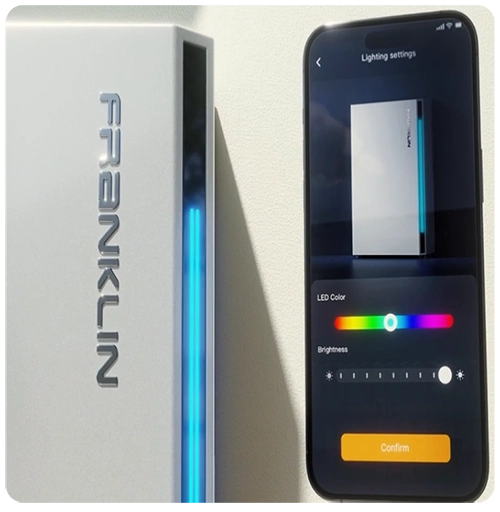
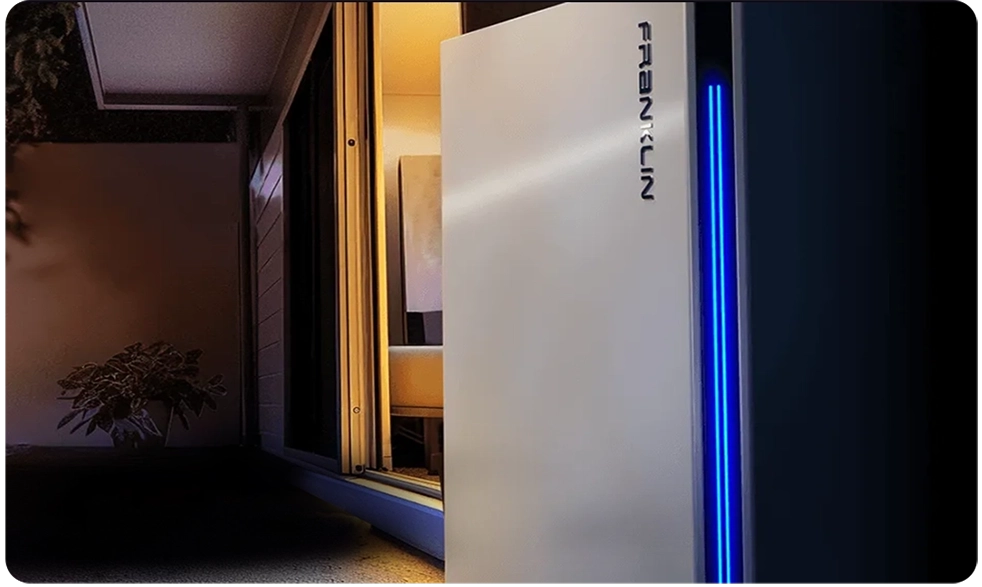
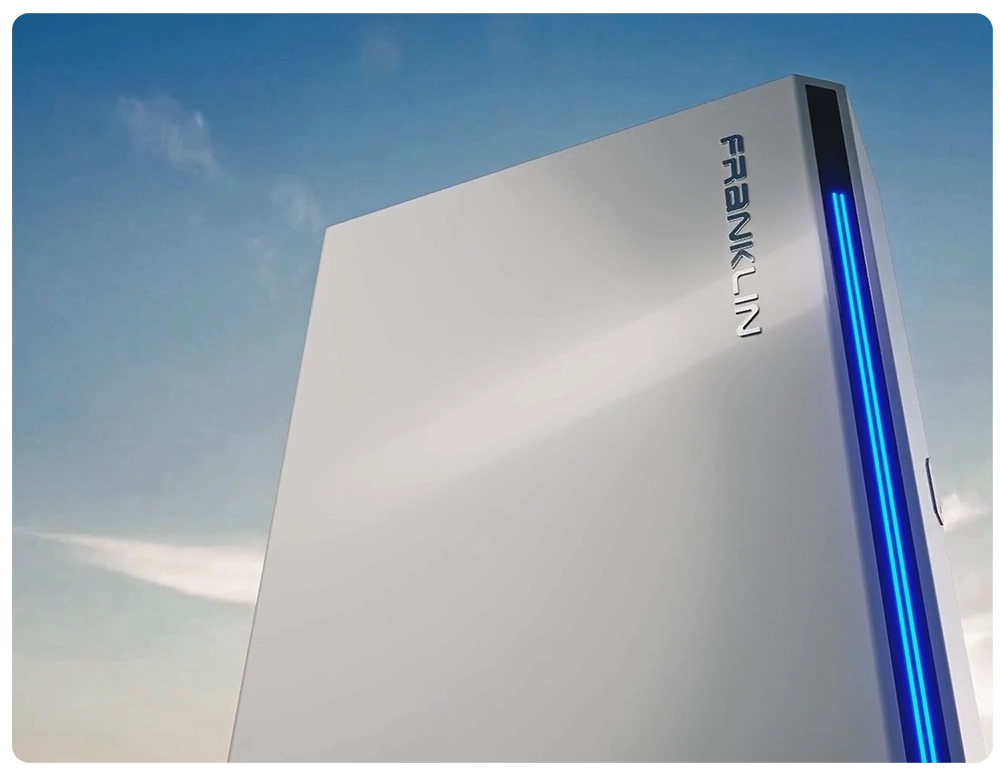
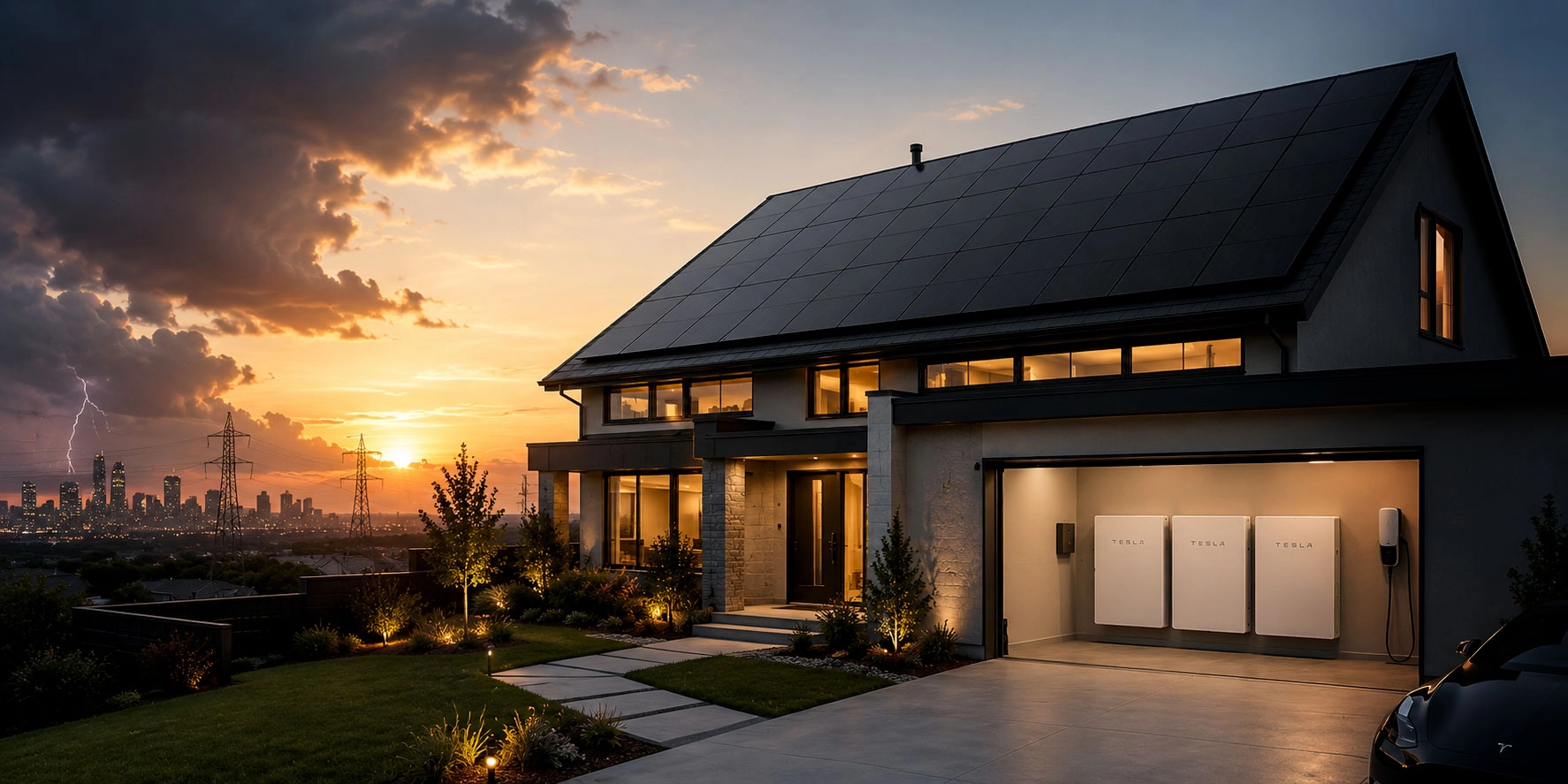
Power reliability is important for people who have to deal with blackouts, increased electricity prices, and higher energy needs. FranklinWH aPower 2 battery backup is a solution that improves energy resilience and gives you more control over electricity use. With its 15 kWh energy storage and the ability to deliver up to 10 kW of continuous power per battery, it allows for handling high electrical loads, storing extra solar energy, and using less grid electricity. Built on lithium iron phosphate (LFP) battery technology and designed for integration with compatible energy systems, aPower 2 provides high-performing and scalable energy storage.
Solar SME helps you find a customized battery backup solution aligned with your energy needs, property requirements, and long-term goals.
FranklinWH aPower 2 Battery: Powerful Energy Storage
The FranklinWH aPower 2 is a second-generation, AC-coupled battery designed to store energy from solar panels, the grid, and compatible generators and EV energy systems within the FranklinWH ecosystem.
Key Specifications of FranklinWH aPower 2
Battery capacity
15 kWh per unit
Continuous output power
Up to 10 kW
Battery chemistry
Lithium iron phosphate (LFP)
Charging power
Up to 8 kW
Maximum system capacity
Up to 225 kWh
Scalability
Up to 15 batteries per aGate
Round-trip efficiency
Round-trip efficiency Approximately 90% under specified test conditions
Warranty
15 years or 60 MWh throughput, subject to warranty terms
What Makes FranklinWH aPower 2 Stand Out?
The FranklinWH aPower 2 is an energy storage solution, that combines the features of large capacity battery storage, backup power and energy management systems. IIt provides reliable electricity, maximizes solar energy use, and reduces dependence on the grid. The key characteristics that make the FranklinWH aPower 2 a flexible energy storage solution include the following:
High Capacity & Output
With 15 kWh of capacity and 10 kW of continuous output, the aPower 2 allows handling of large electrical loads, and even able to power a 5-ton air conditioner under favorable conditions.
Scalable Battery Storage
Expand your system to 225 kWh using up to 15 batteries per aGate, supporting growing residential and commercial energy needs.
LFP Battery Technology
Lithium iron phosphate (LFP) battery technology offers greater may affect the efficiency of batteries particularly thermal stability and safety in energy storage.
15-Year Limited Warranty
FranklinWH provides a 15-year limited warranty, subject to a 60 MWh throughput limit and applicable terms
FranklinWH aPower 2: Engineered to Handle Extreme Temperatures Without Compromising Performance
Extreme heat and cold weather can reduce battery performance, especially when you need reliable backup power most. The FranklinWH aPower 2 utilizes advanced thermal management technology that is geared towards maintaining optimal operating conditions of the battery despite varying temperatures.
Natural Cooling Technology
Dissipates heat without conventional cooling fans for quiet, efficient operation.
Automatic Cold-Weather Heating
Activates heating when needed to help maintain suitable battery temperatures.
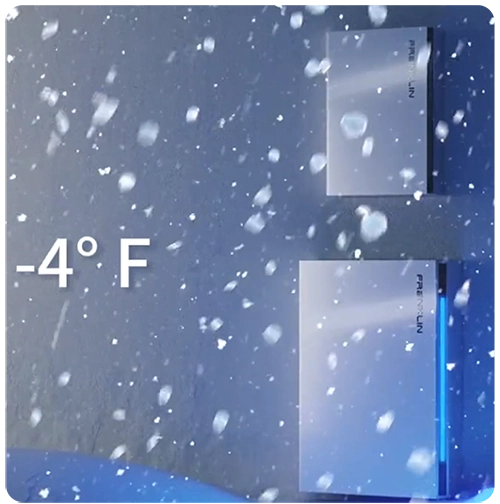
Wide Operating Temperature Range
Designed to operate from -4°F to 131°F, supporting performance across diverse climates.
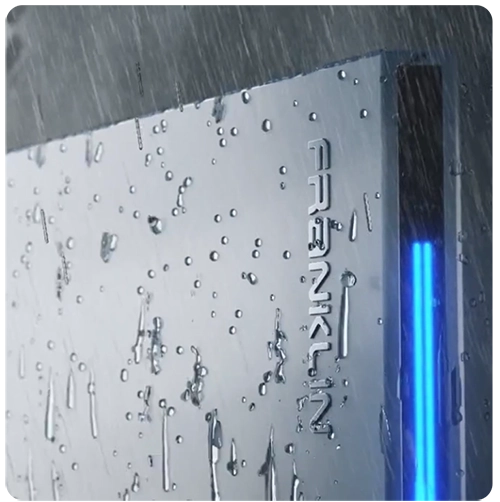
Weather-Resistant Design
IP67-rated, fully dust-sealed and protected against water immersion up to 3.3 ft for 30 minutes.
With advanced temperature management, FranklinWH aPower 2 delivers a more adaptable energy storage solution for residential and commercial properties facing demanding weather conditions.
Seamless FranklinWH aPower 2 Installation, Built Around Your Energy Needs
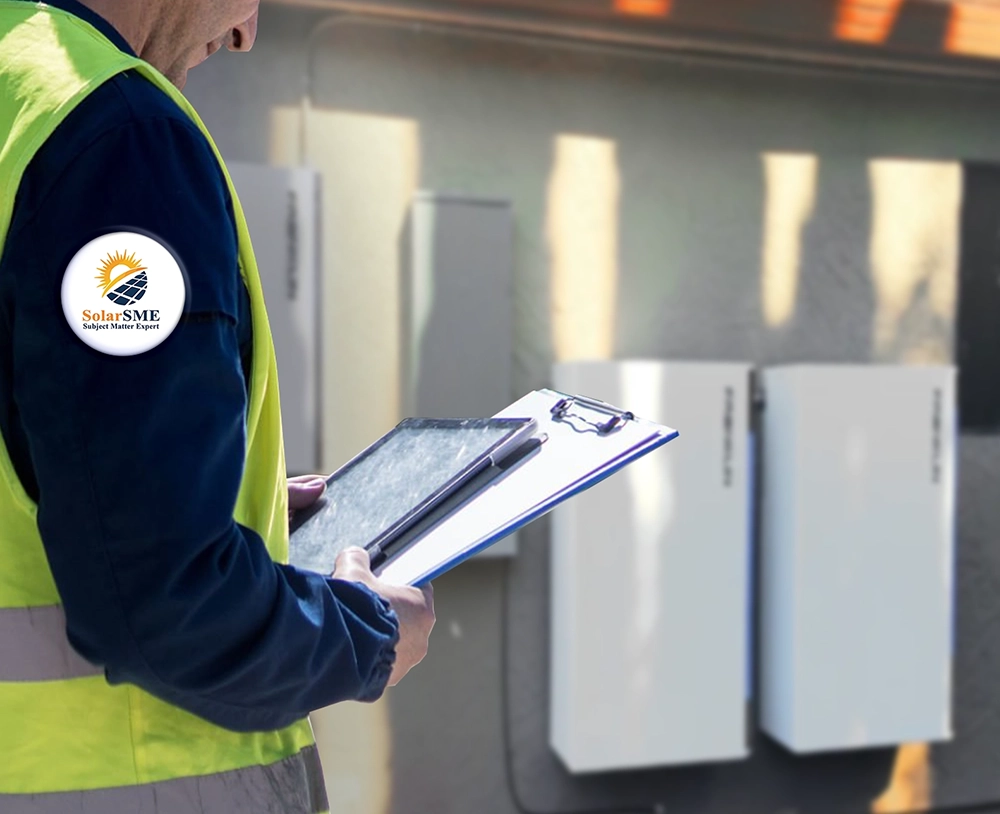
Reliable backup power starts with a system that fits your property’s unique energy needs. Solar SME helps you plan your FranklinWH aPower 2 installation with a focus on performance, compatibility, and dependable backup.
Understand Your Energy Needs
Assess electricity consumption, critical equipment, and backup expectations.
Build the Right Battery Setup
Plan storage capacity, power output, and compatible solar and electrical components.
Prepare for Installation
Review site requirements, electrical upgrades, permitting, and utility approvals.
Install and Test Your System
Configure and commission the equipment according to manufacturer specifications and applicable requirements.
Verify Performance
Confirm system functionality, review backup settings, and confirm the battery operates as intended.
FranklinWH aPower 2 Battery Cost and Incentives
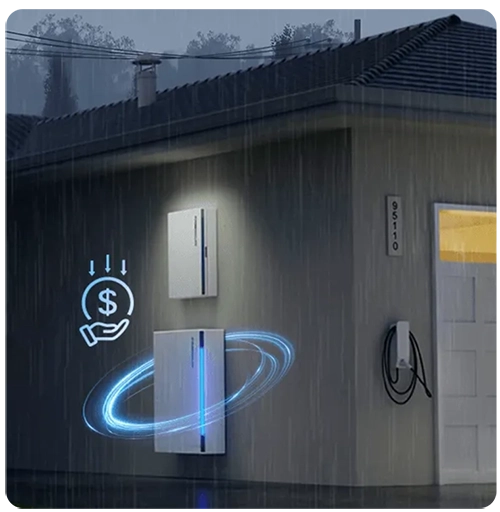
The cost of a FranklinWH aPower 2 installation depends on the number of batteries, electrical upgrades, whether you want whole-home or partial backup, whether it involves solar energy, permitting, and labor costs, among other variables. Eligible properties may also qualify for government or utility incentives that reduce upfront costs. With Time-of-Use control and solar self-consumption, the battery can store low-cost or solar energy and supply it when grid rates are higher, helping reduce electricity bills.
Solar SME FranklinWH aPower 2 Installation Areas
Ready to improve your property’s energy resilience and make better use of solar power? Contact Solar SME to explore FranklinWH aPower 2 battery backup solutions for your home or business. Our team can help you evaluate your energy needs, compare system configurations, and plan a reliable storage solution tailored to your goals.
Frequently Asked Questions
Yes. Its AC-coupled design can support integration with compatible existing solar installations. Compatibility depends on the inverter, system configuration, and electrical setup.
It uses lithium iron phosphate (LFP) battery chemistry, which offers thermal stability and durability for stationary energy storage applications.
FranklinWH offers a 15-year limited warranty, subject to applicable energy-throughput limits and other manufacturer terms.
Related Articles:
Rising utility prices and grid instability are changing how Americans power their homes. Explore why thousands of homeowners are investing in solar panels with battery storage to secure backup power, avoid peak electricity costs, and gain greater control over their household energy future.
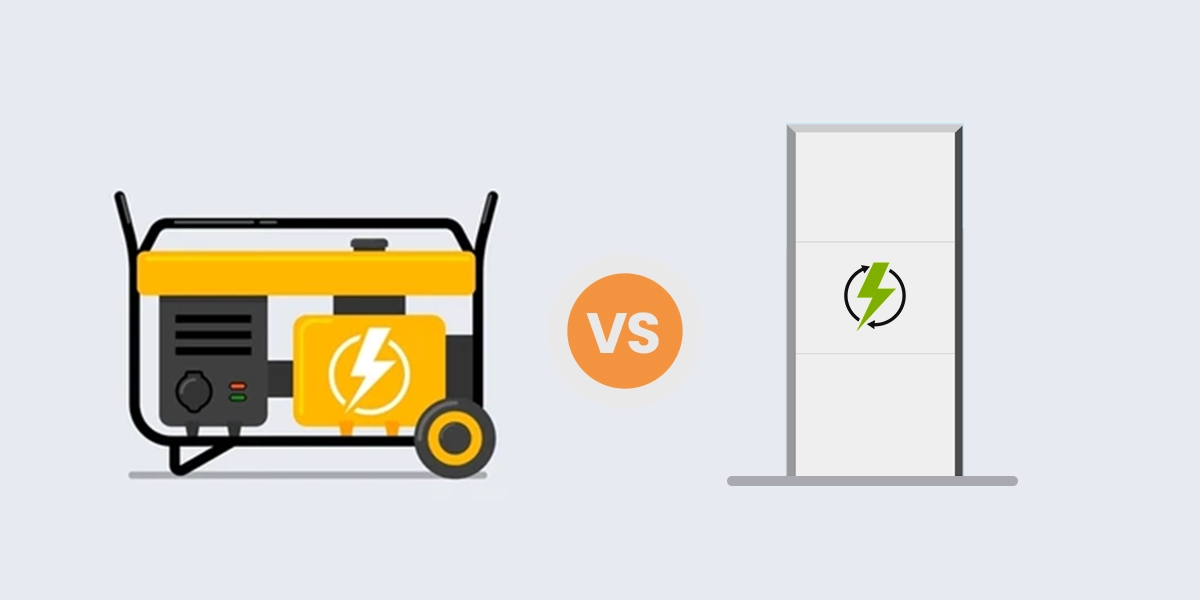
Due to this growing issue, people now look for alternative power sources. But the common dilemma is solar battery vs generator: which one is best for you? Explore the pros and cons of both options and analyze both on the basis of some major factors!
In recent years, the solar energy trend is booming in the U.S. due to its long-term benefits including low energy bills, grid independence, and environment-friendliness.