
SolarSME, Inc.
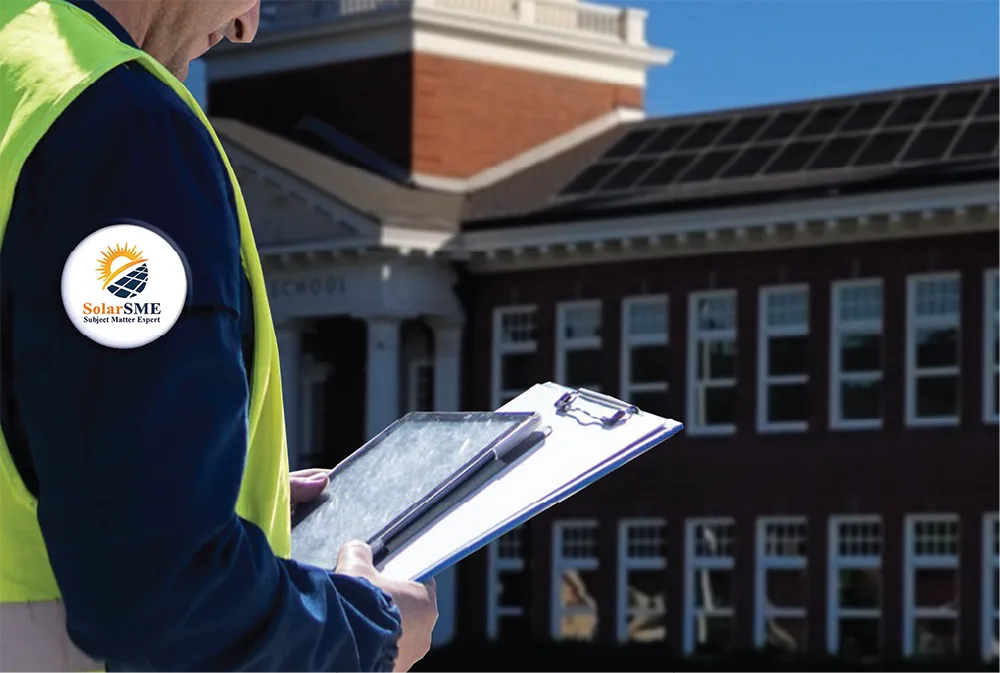
Solar for Schools
Reduce Energy Spending & Strengthen Resilience with Tailored Solar Solutions
It is becoming increasingly challenging to provide comfort, safety, and functionality for a school while competing energy costs with the very same budgets for classrooms, technology, maintenance, and student programs. According to the US Department of Energy, the second biggest expense of operating a school comes from energy consumption, after the cost of staffing.
At the same time, a school cannot consider electricity just another line item of a budget, as an energy outage can affect classroom technology, communication, security, refrigeration, heating, air conditioning, and many other aspects that students and staff rely on.
This is why a comprehensive plan for the integration of solar energy and battery storage for schools becomes an integral part of the facility management plan. Together, solar + battery storage can give schools another way to manage energy costs while planning for greater energy resilience. Solar SME, a local commercial solar installer, evaluates the possibilities of implementing solar + battery storage solutions for schools through site-specific solar design, energy-storage planning, and commercial solar installation.
Why Solar Makes Sense for Schools?
Schools face rising energy demands and thus higher energy bills. Solar can help schools manage these expenses while supporting more resilient and sustainable facilities. The major challenges include
Rising Energy Demands Put Pressure on School Budgets
Educational institutions manage big appliances requiring high power consumption like HVAC units, lighting systems, technology equipment, cafeteria areas, gymnasiums, and other facilities. The cost of electricity may take up a considerable part of schools' operational budgets, leaving less money available for educational activities and facilities’ upkeep. Solar power systems for schools allow the school to produce electricity independently, thus lowering its reliance on external power supply.
High HVAC Demand Makes Schools Energy Intensive
Maintaining classrooms, offices, gymnasiums, and other occupied rooms at a comfortable level of temperature may need significant consumption of electricity, especially when hot or cold weather prevails. Ineffective work of old HVAC units makes things worse in terms of electricity consumption. A properly installed solar power system for schools allows the offset of electricity consumed by energy-intensive facilities in school and lower dependence on grid power.
Large Roofs and Open Areas Create Solar Opportunities
Most schools have large roofs, parking areas, sports facilities, or any other property that may offer opportunities for the production of solar energy. Rather than keeping the potential areas idle, the school can assess whether the area can accommodate a solar energy system. Solar panel installation for schools can be designed around available space, structural conditions, electrical requirements, shading, and the facility’s actual energy consumption rather than simply installing the maximum possible number of panels.
Power Outages Can Disrupt Critical School Operations
An electrical outage may lead to problems with communication, security systems, computers, refrigeration, lights, and other functions. Schools are also used as gathering or emergency centers during extreme weather. For some schools that value resilience, solar energy systems with battery backups can support the critical loads in case of a power outage. This makes the clean power about more than electricity generation; it can also become part of the school’s resilience planning.
Solar + Battery Storage: A More Complete School Energy Strategy
Solar and battery storage perform different functions.
A solar array generates electricity when the panels are producing power. A battery stores electrical energy so it can be used later. When a battery system is specifically configured for backup operation, it can also provide electricity to designated loads when the grid is unavailable.
That creates three possible approaches for a school:
Solar Only
Can help generate electricity on-site and reduce the amount of power purchased from the grid, depending on the system design and utility rules.
Battery storage
Can store electricity and provide backup capability for appropriately selected loads. It may also allow a school to shift when stored energy is used.
Solar + battery storage
combines generation and storage, allowing the school to use solar energy more strategically while also planning for designated backup loads.
The right configuration depends on the school’s electricity profile, facility size, critical loads, electrical infrastructure, utility requirements, and resilience objectives.
Designing Solar Around How a School Actually Uses Energy
Electricity use in a school building is not constant throughout the year. It depends on the school calendar, vacations, sport activities, evenings, administration, and weather conditions.
School-Year and Summer Energy Use Matters
A school may have lower classroom occupancy during summer while still consuming electricity for HVAC, administration, security, refrigeration, maintenance, and other operations. That does not automatically make solar less useful. Instead, it is just a reason why the solar power generation needs to be modeled according to the annual consumption of electricity in the school.
Solar SME can analyze historical energy use alongside the proposed solar production to know how much electricity it will generate, what is the period of its generation, and how the extra electricity will be treated according to utility policies.
This is particularly important when evaluating school solar installation across multiple buildings.
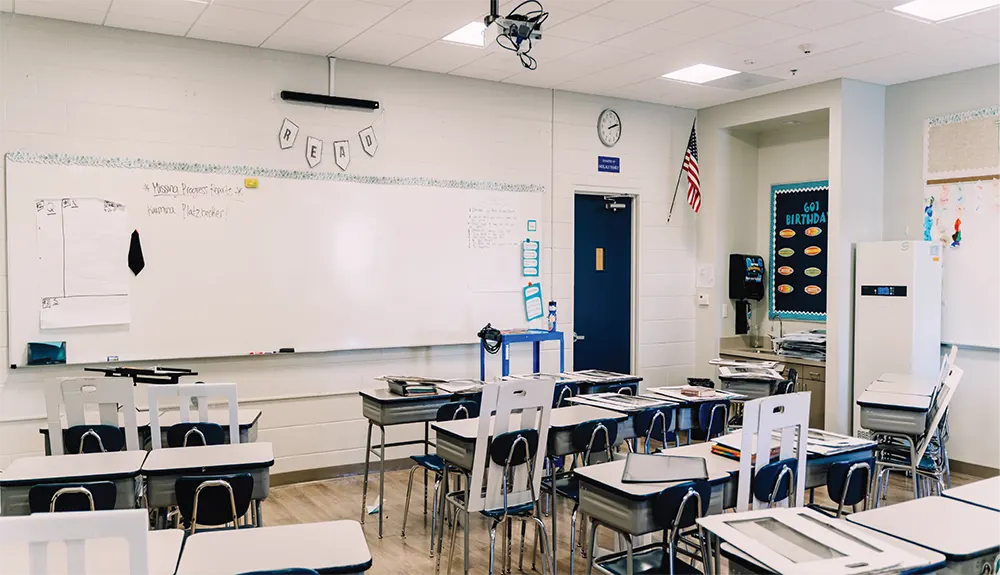
One District Can Have Several Different Solar Opportunities
A school district may have older schools with limited roof life, newer buildings with larger roofs, athletic facilities with substantial electricity demand, and parking areas that could potentially support solar canopies.
Rather than applying the same design to every facility, a district can evaluate its properties individually and then develop a broader solar strategy.
That can identify which locations have:
- Strong solar potential
- Suitable roof conditions
- Significant electricity consumption
- Appropriate electrical infrastructure
- Potential battery-storage applications
- Parking areas suitable for solar canopies
For a district considering commercial solar for schools, this portfolio approach can be more useful than evaluating each building in isolation.
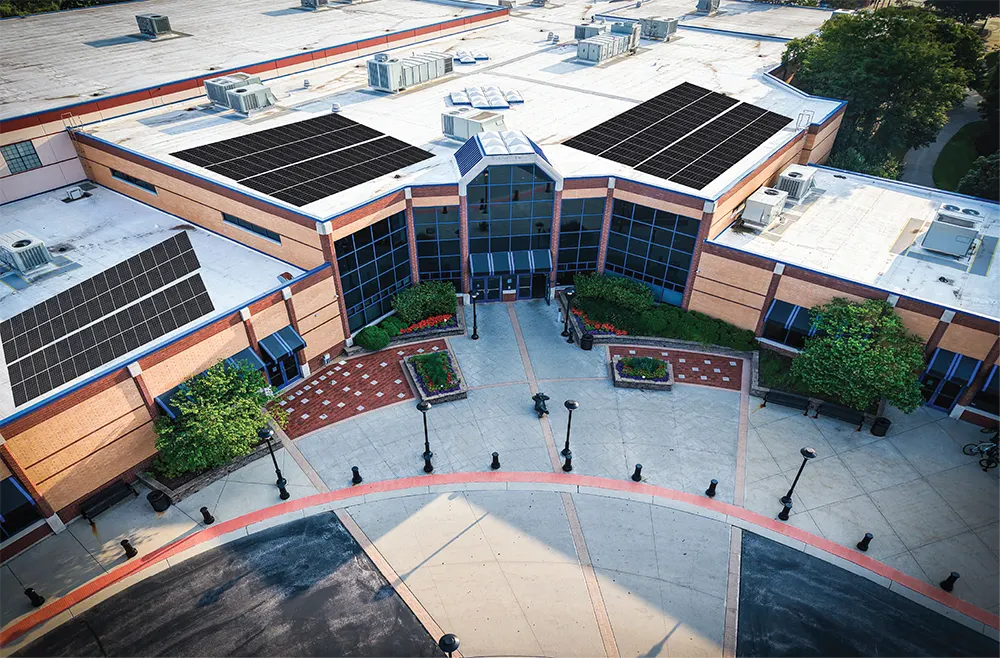
Solar Options for Schools and Educational Campuses
Rooftop Solar
While school roofs offer significant space for PV systems, roof space alone is not everything to be considered. An assessment done by a professional will take into account the age of the roof, conditions on the roof, shade, orientation, electrical capacity, maintenance plan, and useful life of the roof. Solar SME designs rooftop solar systems around those site-specific conditions rather than treating every school roof the same way.
Ground-Mounted Solar
If there is enough space available at the property, a ground-mounted system can be another option worth considering. Land availability, shade, drainage, accessibility to the site, electrical connection, and local requirements need to be considered before choosing whether or not to build a ground-mounted solar system.
Solar Carport for School Parking
If there is an open parking lot at the school grounds, it can serve as an additional source of energy. A carport for solar parking can combine covered parking lots, photovoltaic generation, and EV charging. For schools with limited usable roof space, a parking-canopy assessment can help identify another part of the property that may support renewable energy generation.
Solar for Schools Is Also About Long-Term Facility Planning
The best solar solutions for a school are not developed in isolation from the rest of the campus. If a district is already considering HVAC replacement, roof work, electrical upgrades, lighting improvements, EV charging, or building renovations, those projects can influence solar and battery design.
DOE’s school energy guidance similarly emphasizes combining energy-efficiency improvements with renewable energy rather than treating individual upgrades as unrelated projects.
Solar SME can evaluate solar and energy storage alongside the facility’s broader energy requirements.
The objective is not simply to install the maximum number of panels.
The objective is to develop an energy system that fits the school’s actual consumption, physical property, electrical infrastructure, financial objectives, and resilience needs.

Financing Solar for Schools
Solar energy projects in schools may employ different approaches of financing depending on the type of school, whether public, private or not-for-profit. Districts can consider capital budgets, bonding, lease-purchase structure, PPAs and federal incentives among other options. The choice of the appropriate financing method will depend on the project objectives, available finances, procurement process and long-term energy strategy of the district.
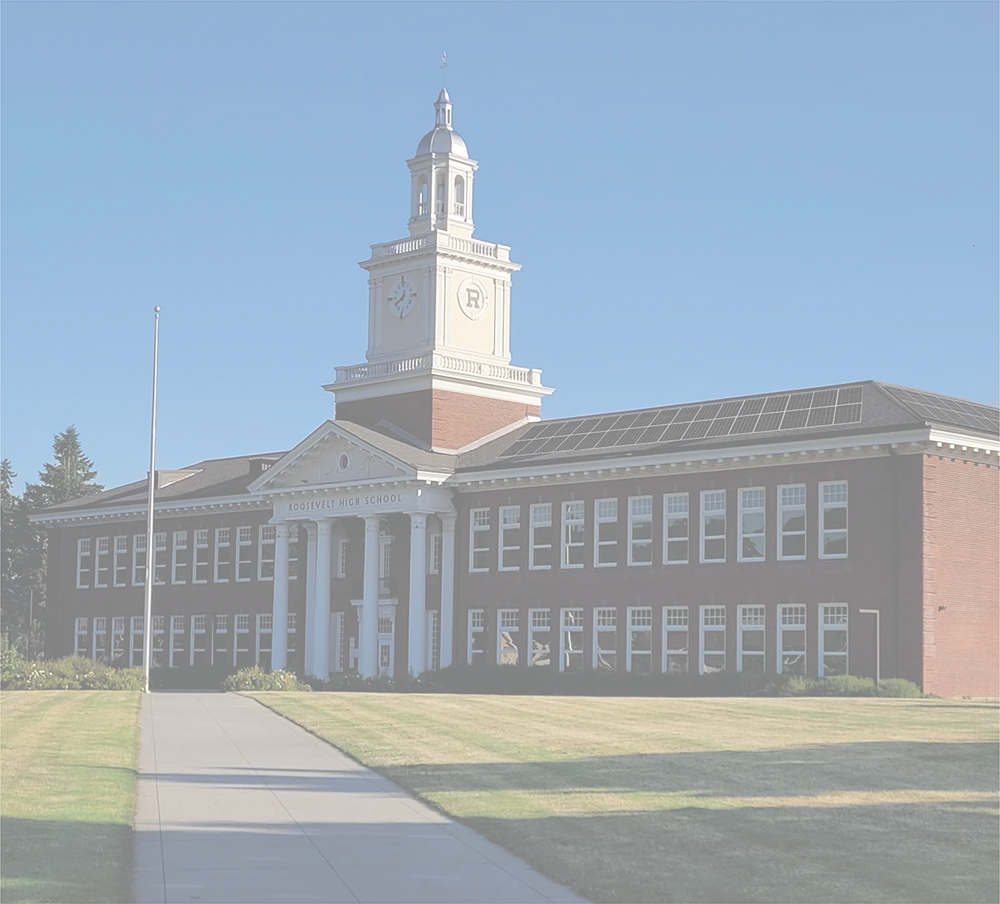
Capital Budgets and Bond Funding
Solar systems can be included in broader facilities improvement projects and capital budgets of schools. A proper project analysis should explain the design of the system, expected production, assumptions of the project, the amount of financing required and the available incentives. This enables the district management to make an informed decision regarding the project.
Tax-Exempt Lease-Purchase Structures
Qualifying public entities may consider tax-exempt lease-purchase structures for certain infrastructure investments. This approach can reduce the need for a large upfront payment while spreading project payments over time. Eligibility and suitability depend on the district’s legal, financial, procurement, and accounting requirements.
Power Purchase Agreements
A Power Purchase Agreement (PPA) allows a school or district to purchase solar-generated electricity without directly purchasing the solar equipment. Districts should compare a PPA with ownership and other financing options based on contract terms, energy-price assumptions, incentives, project goals, and long-term facility plans.
Federal Direct Pay
Qualifying public school districts and other eligible tax-exempt entities may be able to use federal elective pay, commonly known as Direct Pay, for qualifying clean-energy projects. Eligibility depends on current federal requirements. Districts should verify applicable rules, documentation, and filing requirements with qualified tax and legal professionals.
The School Solar Procurement Process is Different
For a public school district, selecting a solar company for schools is often part of a formal procurement process.
The district may need to prepare or respond to an RFP or RFQ, satisfy purchasing requirements, obtain board approval, work through a purchasing cooperative, or coordinate the project with other public procurement requirements.
The Solar SME school brief specifically identifies this procurement process as a defining difference between school projects and other commercial industries.
What a District Should Expect from a Solar Proposal?
A school solar proposal should provide more than panel counts and projected savings. District teams may need system design, production estimates, equipment details, roof considerations, battery options, warranties, utility interconnection, maintenance, project timelines, financing, and applicable incentives to evaluate the project across facilities, finance, administration, and board requirements.
Roof Warranty and Code Compliance Need to Be Addressed Early
Before approving solar, districts should understand the roof’s condition, structural capacity, attachment methods, waterproofing, and warranty responsibilities. The design should also account for applicable electrical, structural, fire, and building codes. For older facilities, solar installation may need to be coordinated with planned roof replacement or other improvements.

Turn the School's Solar System into a Learning Resource
Real-Time Energy Data Can Support STEM Learning
A solar installation can become visible infrastructure that students interact with rather than equipment hidden from view. Depending on the monitoring platform, schools can display real-time or historical information about solar production and energy use.
Students can use actual campus energy data to explore mathematics, physics, engineering, environmental science, and data analysis.
A solar system can therefore serve two purposes at once: it can become part of the school’s energy infrastructure while also creating a practical example of how renewable energy systems work.
DOE highlights this educational role of high-performance and zero-energy schools, including their potential to engage students in STEM learning.
Why Choose Solar SME for School Solar Installation?
Schools need more than a solar installation. They need an energy strategy around their facilities, budgets, and long-term goals. Solar SME combines commercial solar expertise with battery backup and tailored system design to help schools move toward smarter, more resilient energy.
Solar SME has:
- 10+ years of solar industry experience
- In-house installation teams
- Licensed and insured professionals
- Commercial and residential solar experience
- Battery storage capabilities
- Tier-1 solar equipment options
- Long-term warranty options
Ready to Explore Solar for Your School?
Whether you’re planning a new school construction project, evaluating an aging facility, preparing an RFP, or looking for ways to reduce long-term operating costs, Solar SME can help evaluate the opportunity.
Frequently Asked Questions
Savings depend on electricity consumption, utility rates, system size, solar production, export rules, financing structure, and project costs. Solar SME can evaluate historical energy use and site conditions to develop a project-specific savings assessment rather than applying a generic savings estimate.
Public procurement requirements vary by jurisdiction, district, project value, and applicable purchasing rules. Many public school projects involve formal procurement procedures. District officials should confirm the applicable requirements before selecting a contractor.
Yes. Solar and battery storage can be designed as an integrated system. The battery can be sized around the school's energy objectives and designated critical loads rather than simply matching the solar array's capacity.
Roof warranty requirements should be evaluated before installation. The mounting method, roof condition, penetrations, equipment placement, and coordination with the roof manufacturer or warranty provider can all matter.
It can. The answer depends on the school's annual energy profile, summer consumption, utility rules, export compensation, system size, and financing structure. Solar SME can evaluate production against the school's actual consumption pattern before recommending system capacity.
Related Articles:
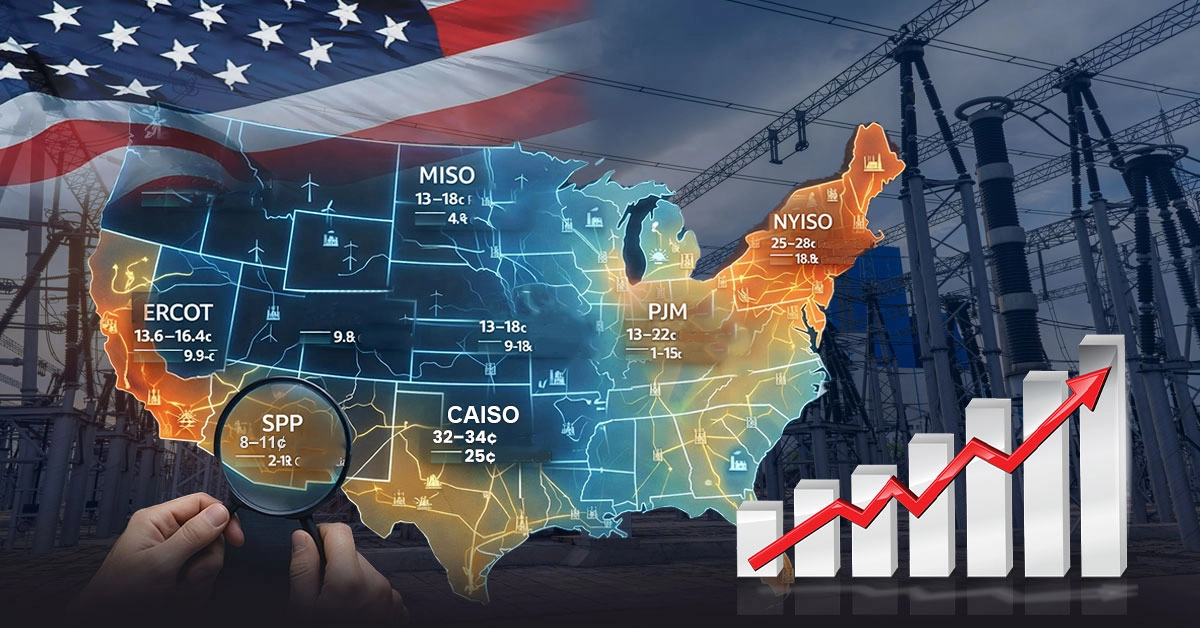
America's power grid isn't one unified system. It's made up of regional networks with different fuel mixes, infrastructure, market rules, and utility companies. Discover how these hidden differences affect electricity rates across the U.S. and why your monthly electric bill may be higher than expected.
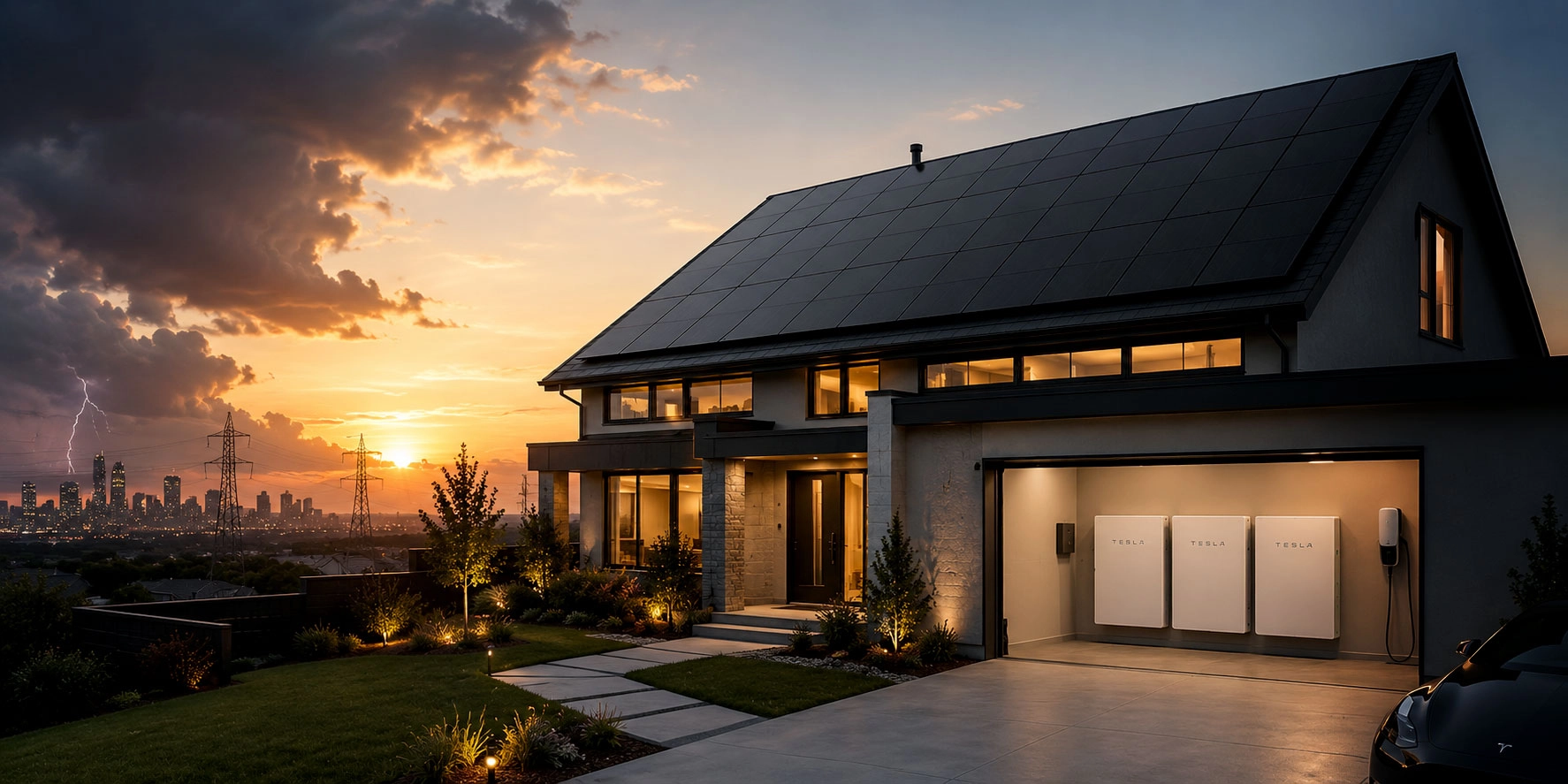
Rising utility prices and grid instability are changing how Americans power their homes. Explore why thousands of homeowners are investing in solar panels with battery storage to secure backup power, avoid peak electricity costs, and gain greater control over their household energy future.
2026 is a game changer for solar energy as the U.S. accelerates its transition toward a sustainable future. Because of skyrocketing energy bills, persistent inflation, and increasingly frequent long power outages.