
- Published On: January 16, 2026
Phantom Loads: How Energy Vampires Raise Your Power Bills & Smart Ways to Stop Them
Energy bills are skyrocketing, and many homeowners are unaware that a portion of their energy costs covers electricity that is, in fact, consumed but not directly used. Phantom loads, also known as energy vampires, are the sneaky electricity drains that work behind the scenes, causing homeowners’ energy bills to increase every month. This power usage is due to the electrical devices that continue to use energy even when those devices are switched off or in standby mode. The energy studies found that phantom loads can increase 5%-10% of a home’s electric bill. When dozens of devices connect at the same time, the cumulative impact is higher energy consumption. As homes become more connected with smart devices and automation systems, the impact of phantom loads continues to rise. Reducing standby power is now a vital aspect of enhancing home energy efficiency.
In this article, we will talk about how to identify phantom loads and which home devices are energy vampires. We will also share some useful tips to mitigate the effects of these power-draining electronics.
What are phantom loads?
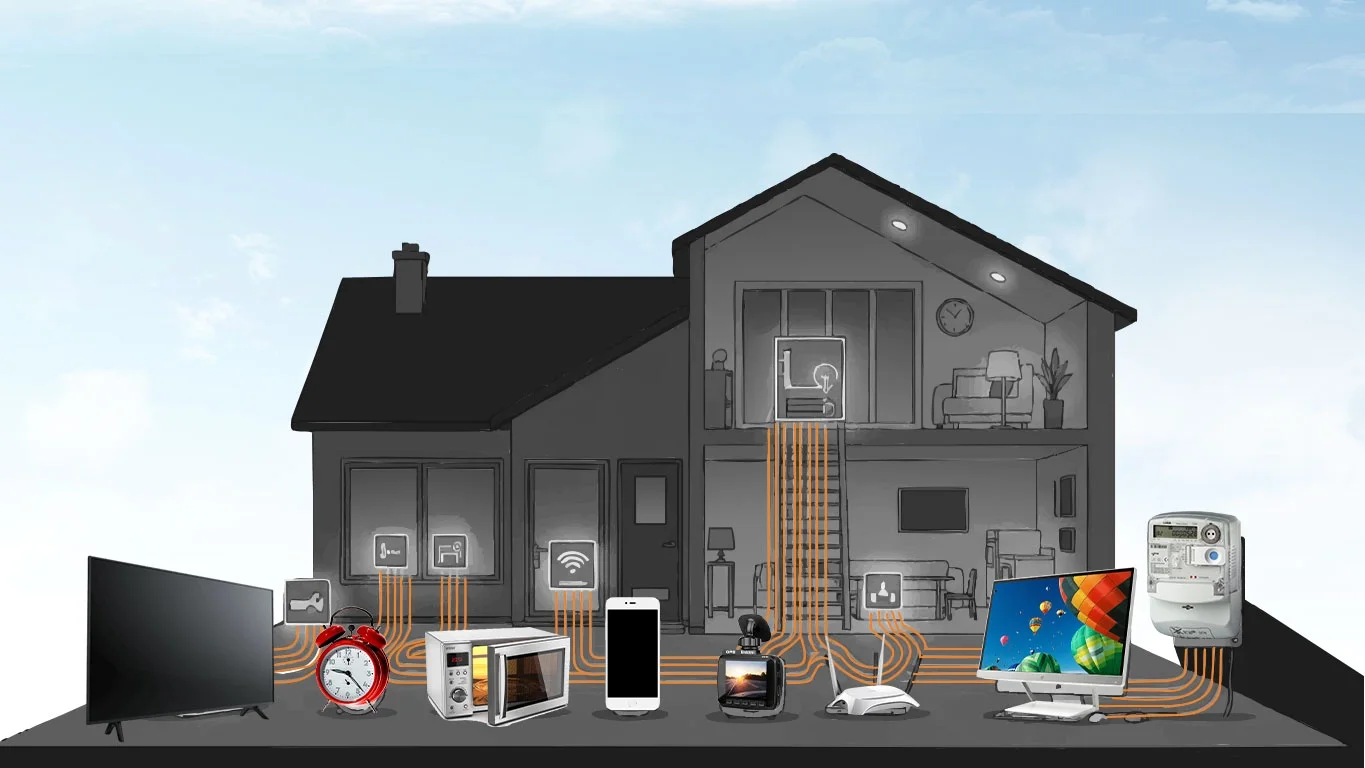
When you flick the switch, not all gadgets and appliances stop utilizing electricity. Any appliances or electronics that consume electricity even when they are turned off are known as energy vampires. Many modern devices enter “standby mode” rather than shutting down entirely, which results in these phantom loads. Also, voice-activated gadgets draw power continually while they listen for your directions. To receive signals from your remote, smart TVs remain ready. Moreover, cable boxes continuously record television programs. The charger for your laptop? Even when your laptop isn’t plugged in, it’s still consuming power; if it feels warm to the touch when you return home, vampire energy is at work.
Energy vampires are all around your house in equipment that has remote control capabilities, digital clocks, or instant-on functions. Finding these hidden drains is a starting step if you want to reduce your electricity bill.
How much are energy vampires costing you?
The U.S. Energy Information Administration reports that the average American home consumes 10,791 kWh of power each year. Approximately $1,834 is spent annually on energy at the current average rate of $0.17 per kWh. If standby power accounts for 5% to 10% of the total, you will pay between $92 and $183 annually on gadgets that you do not use. It’s like paying an entire month’s electric bill every year for no reason. However, the actual cost depends on factors like your local utility rates and the number and type of phantom loads in your home.
How to identify phantom loads in your home?
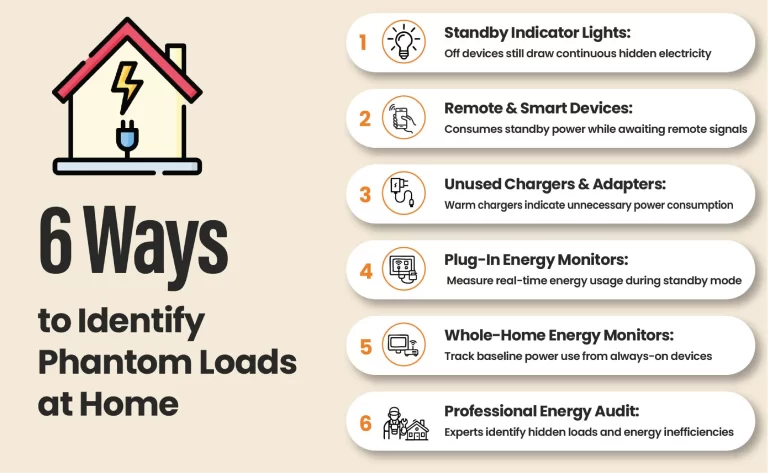
To control your power consumption, it is essential to look for energy vampire electronics at home. Here are a few ways:
- LED lights, digital clocks, and displays that are “off” are definitely consuming electricity. Your microwave’s blinking clock, your TV’s red standby lights, etc., are all phantom loads.
- If you have a device at home that turns on using a remote control or smartphone app, it is also draining power in standby mode to catch signals.
- Plugged-in power adapters and chargers that don’t charge anything, but if they are warm, it means they are consuming power.
- Some gadgets allow you to plug in appliances and monitor their power consumption in real time, both when they are in use and when they are in standby mode. This can help you identify who the worst energy vampires are in your home.
- Smart home energy monitors have the ability to measure total energy consumption in your house in real-time through your home electrical pane like SPAN Smart Panel. Energy vampires are quite easy to spot because they come with apps that measure the energy usage of various gadgets in your house. In addition to that, they give complete information regarding energy usage trends in your house.
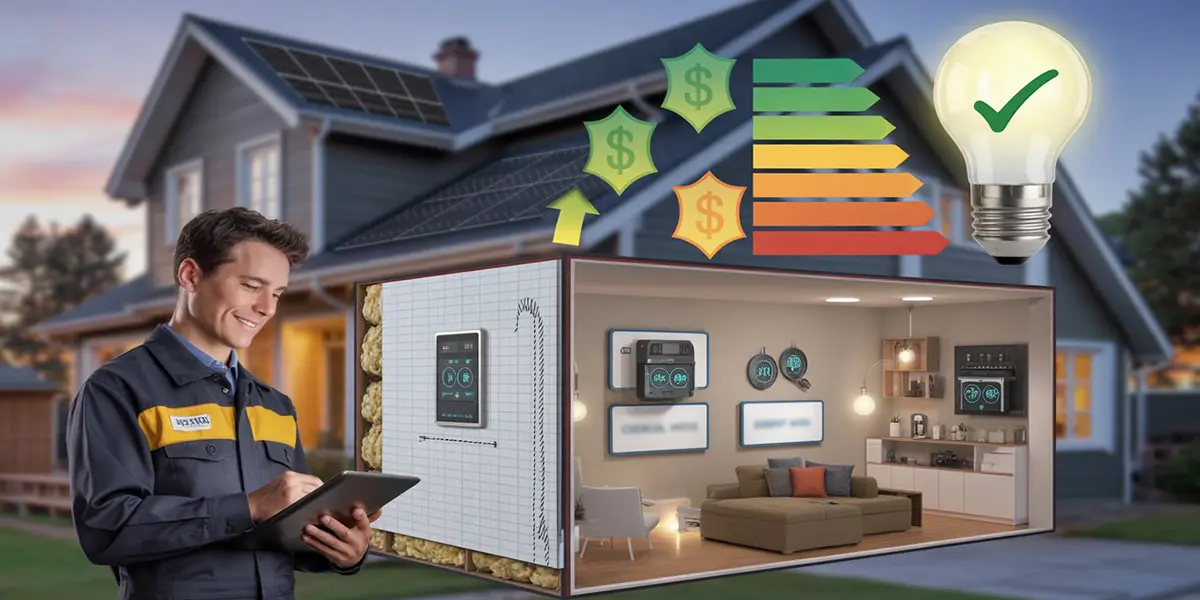
- Make an energy audit of your house. Finding phantom loads is part of the energy audits that many utilities provide for free or at a reduced cost. Expert auditors can identify energy waste that you might overlook and offer tailored suggestions for your house.
Which appliances are the biggest phantom loads?
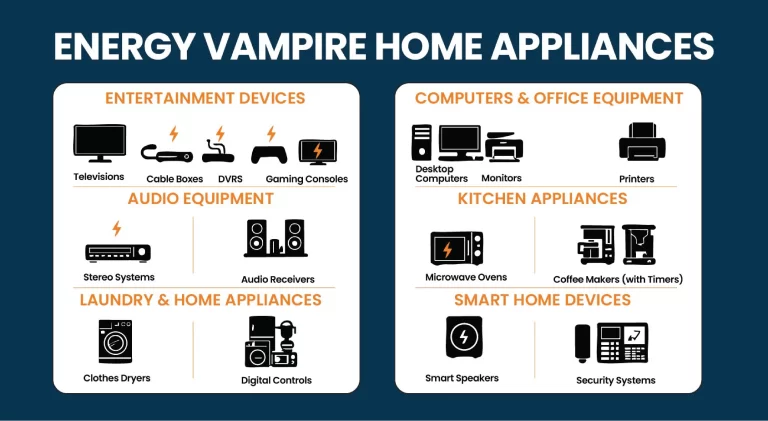
You can focus your efforts more effectively if you know which devices use the most standby power. According to the NRDC study, the devices with the highest always-on electricity costs included:
Home Entertainment Systems:
Some of the biggest standby power consumers are cable set-top boxes, desktop PCs, water filtration pumps, and televisions. If you want to record planned programs and update channel guides, cable boxes and DVRs in particular commonly remain in active standby mode. Similar to this, gaming consoles, which are included in the entertainment category, continue to use electricity when “off” to continue to facilitate rapid startup.
Computers & Audio Systems:
Computers and audio equipment also consume a lot of standby power. Printers, stereos, and audio receivers all drain power even when they are not in use.
Kitchen & Home Appliances:
Electronic controls and digital displays on kitchen and home appliances significantly increase standby power consumption. Microwaves, coffee machines with timers and clocks, and even clothes dryers with electronic controls all use electricity on a continuous basis. Moreover, smart home devices like voice assistants, security systems, and other networked gadgets require continuous electricity to operate.
It’s important to remember that standby power usage varies, depending on the brand and age of the gadget. Additionally, since 2015, many manufacturers have increased standby efficiency, particularly due to ENERGY STAR regulations that reduce phantom loads.
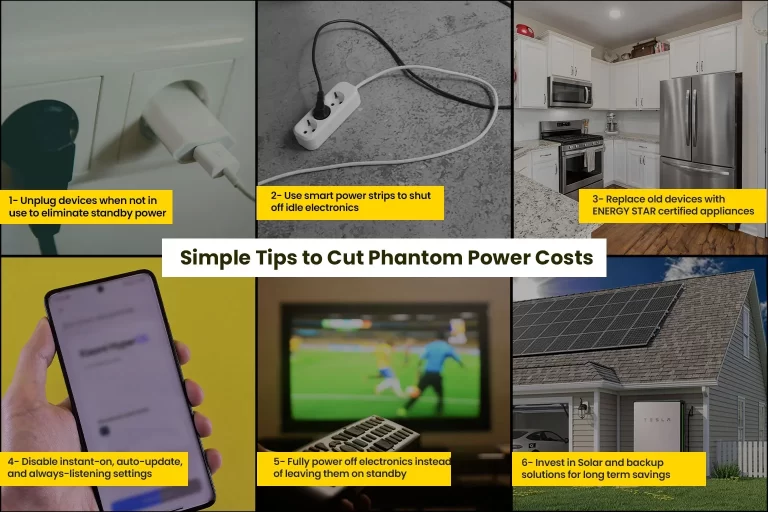
What are the tips to reduce the impact of energy vampires on your electric bills?
Once you’ve identified your home’s energy vampires, here’s how to stop them from draining your wallet:
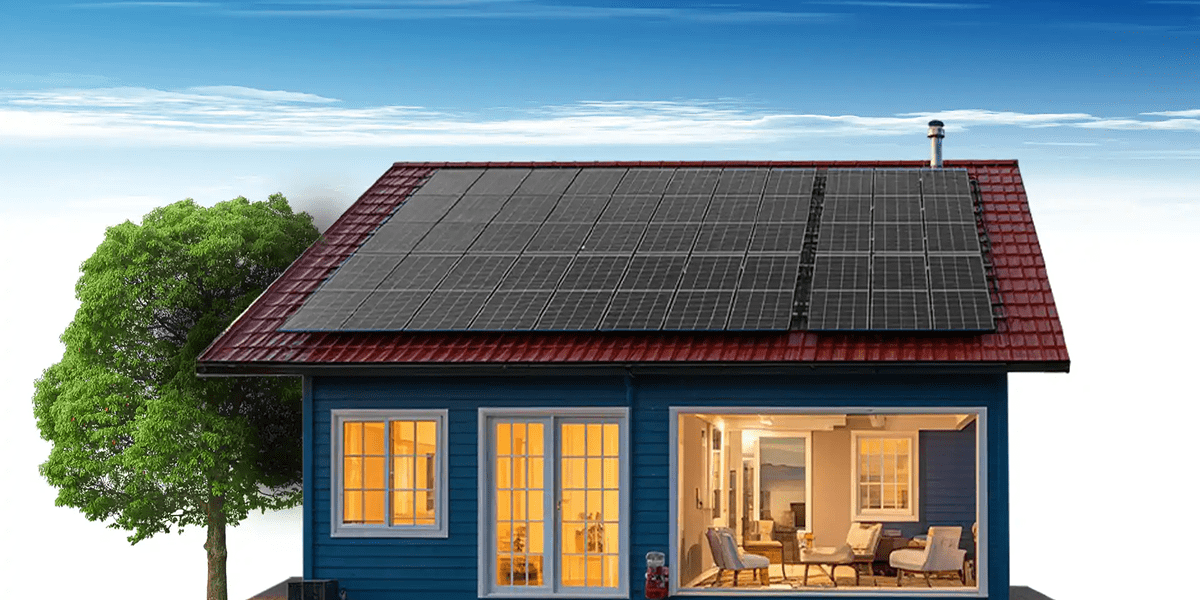
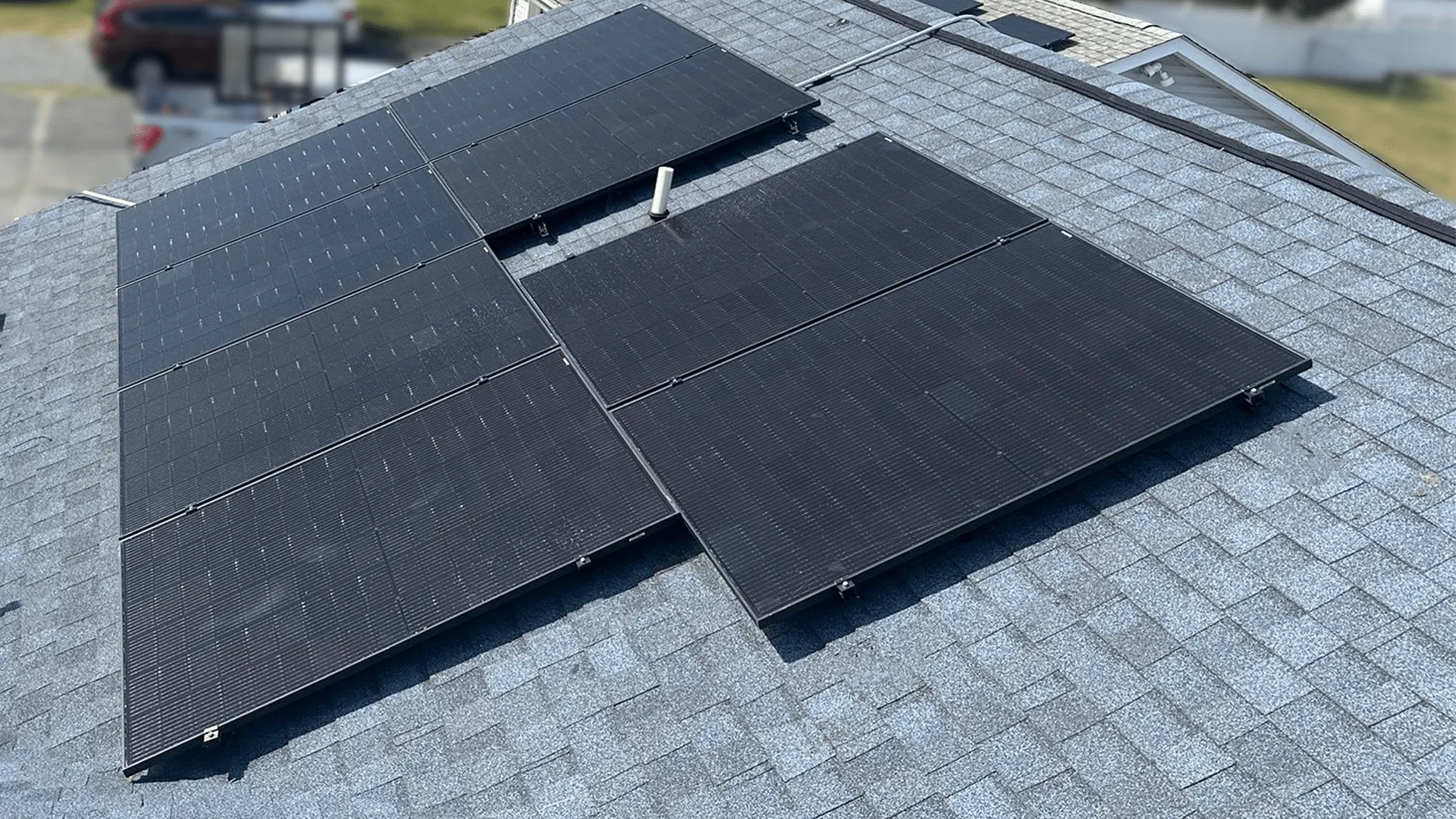
And do you know the best option to get rid of high bills? Switch to solar power! It is the best investment for your home. You can generate unlimited power from the sunlight and use it to electrify your home with 95% less electric bills. Also, if you add a battery backup system, you can minimize your grid dependence by using stored energy at night. Although identifying phantom loads and making small efforts can reduce your bills, installing solar panels offers long-term savings and energy security. The choice is yours!
Solar SME is the best solar installer near you, offering tailored solar solutions according to your energy needs. You can get a FREE Estimate with our smart solar calculator!
Related Articles:
A home energy assessment allows you to get insights into your home's power usage, comfort, and safety. In this article, we will guide you through everything you should know about these audits, the process, and when you should consider it.
One of the most important priorities for homeowners looking to save on high energy bills and increase the value of their home is energy efficiency. Many states are also raising the stakes on how energy is produced. In this article, explore how you can make your home energy efficient.
Are you tired of soaring energy bills and booming inflation? A solution is right above you – literally! Solar panels are an eco-friendly, cost-effective solution to control your energy costs.