
If you are planning to go solar, the first thing you would think about will be your roof. Rooftop installations are very common – compared to ground mount.
- Published On: October 01, 2026
Solar Shingles: A Smarter Roofing Option for New Homes and Roof Replacements
When you’re building a new home or preparing for a roof replacement, choosing roofing materials is not only part of the decision. Today, homeowners can also consider whether their new roof can contribute to their home’s energy needs. Solar Shingles make this possible by combining the function of roofing with solar electricity generation. These solar powered shingles do not require installing above the existing roof and can become a part of the roofing material itself, providing an opportunity for homeowners to obtain solar power without having anything mounted on the roof.
For those who are building a new house, solar shingles can be considered during initial home and roof design, allowing the solar system to be planned as part of the property rather than added later. For those who need to replace an old roof, this becomes yet another chance to combine two tasks into one.
However, to make the right choice and get a better understanding of the process, homeowners need to learn more about solar shingles, their difference from traditional panels, and the factors that influence their effectiveness. Here is what homeowners should know about solar roofs.
What are solar shingles?
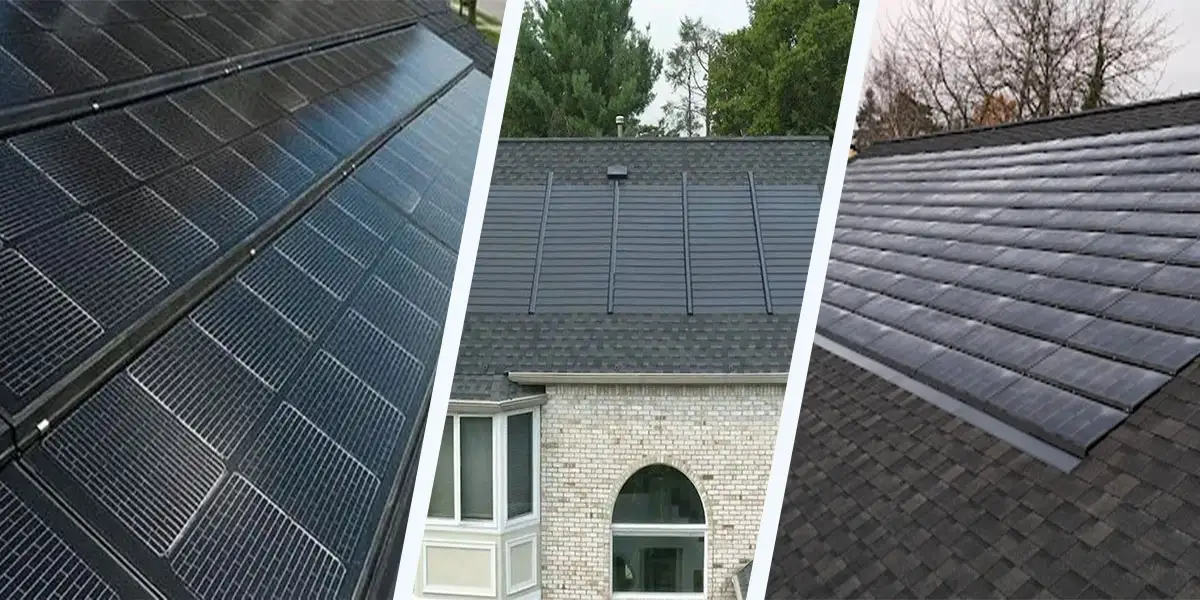
Solar shingles are photovoltaic roof tiles that produce electricity from solar energy and act as roofing material. Traditional solar panels usually are installed at top regular roofing using mounts. On the other hand, solar shingles are designed to integrate into the roof structure. This creates a lower-profile appearance and allows the roof itself to become part of the home’s energy system. According to the Department of Energy, BIPV technology involves the integration of solar energy technology in building components like roofing, façades, and windows. A solar roof may have some shingles generating power and other shingles just providing regular roofing functionality, depending on the specific solar roof.
Depending on the product, a solar roof may contain both energy-producing shingles and conventional roofing shingles. The solar portions generate electricity while the rest of the roof provides traditional weather protection.
Check Your Solar Savings with our Smart Solar Calculator!
Start with a free tailored solar quote, compare brands and financing options, and explore your potential with zero obligation.
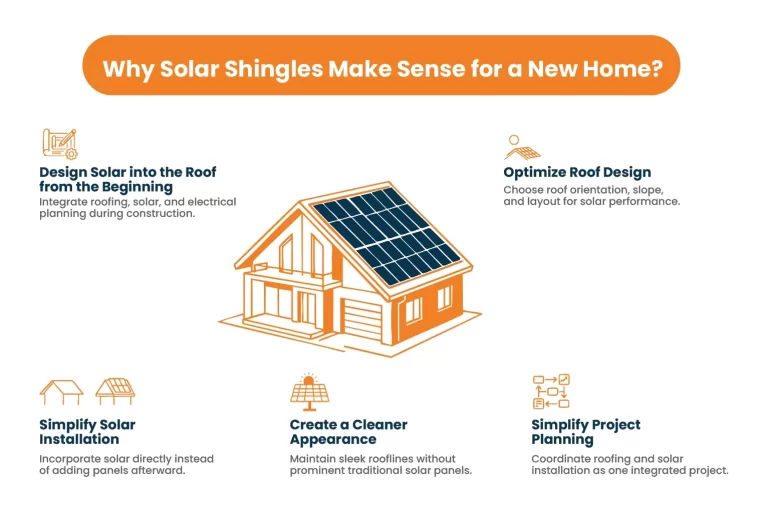
Why solar shingles make sense for a new home?
If you are constructing a new house, you have an advantage: you can consider the roof and energy system together from the beginning. Instead of first choosing conventional shingles and later deciding, you can consider solar shingles for new construction while the home’s roof is still being designed.
1. Design Solar into the Roof from the Beginning
New construction gives homeowners more control over roof positioning, roof slopes, roof space available for installation, electricity distribution, and any other design concerns. This is important because roof design determines the solar potential of a roof. The Department of Energy advises people to consider these features when contemplating residential solar. Working with your builder, roofer, and solar professional early can help determine whether the roof is suitable for an integrated solar system.
2. Avoid Adding Solar as an Afterthought
With conventional roof-mounted solar energy systems, homeowners usually install roofs and then place solar arrays on top of them. For those who use solar shingles, the entire process becomes one big project with no added cost of treating solar as an additional element that stands above the roof.
3. Create a More Integrated Look
Some people simply do not like the look of the traditional rooftop panels. The use of solar shingles is another solution for people who want renewable energy sources but not those visible solar panels. For modern homes, custom-designed properties, or homeowners with strong aesthetic preferences, the integrated appearance can be an important consideration.
Solar Shingles for Roof Replacement
You do not have to be building a brand-new home to consider solar shingles. If your existing roof is reaching the end of its useful life, a solar shingle roof replacement may be worth discussing. In fact, roof replacement can be one of the more logical times to evaluate integrated solar roofing because conventional solar panels generally sit on top of the existing roofing system. The Department of Energy specifically states that homeowners should consider roof age when planning solar and that combining solar installation with roof replacement can make sense in some situations.
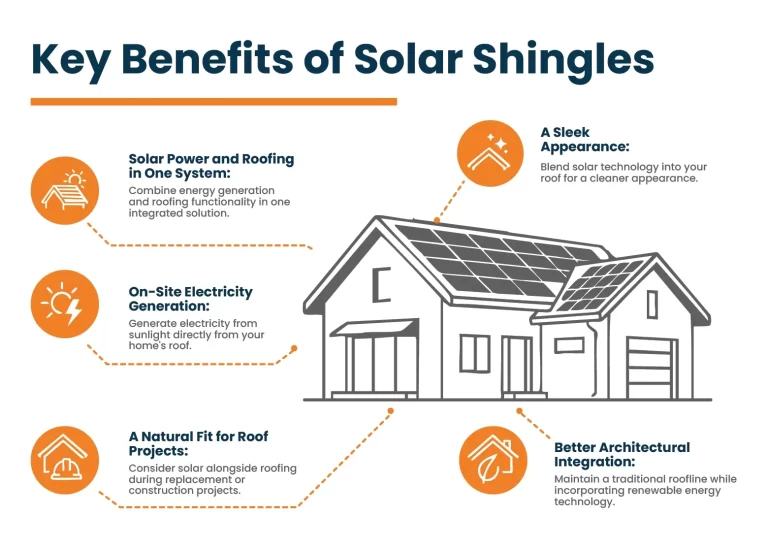
What are the key benefits of solar shingles?
The use of solar shingles provides many advantages other than the production of electricity. Because they combine roofing and solar technology, they can provide practical advantages for homeowners who want a cleaner roof design and on-site energy generation. Here are some of the main benefits of solar shingles:
1. Solar Power and Roofing in One System
The most obvious advantage is the combination of roofing and solar generation. Instead of treating your roof and solar installation as completely separate components, solar shingles integrate the two functions.
2. Sleek Appearance
In terms of aesthetics, the use of shingles provides a more subtle appearance compared to rack-mounted solar panels.
3. On-Site Electricity Generation
Similar to conventional photovoltaic systems, shingles convert sunlight into electricity. However, depending on the available space, orientation of the roof, and presence of shadows, among other factors, the total amount of generated electricity will vary. A professional assessment of the system should be carried out because an aesthetically appealing roof does not always guarantee sufficient electricity production.
4. A Natural Fit for Roof Projects
For homeowners already planning a roof replacement with solar, integrated roofing can be evaluated at the same stage as the roofing materials themselves. This can help avoid designing a new roof without considering the future solar system.
5. Better Architectural Integration
In some cases, the most significant feature of a solar roof is not electrical, it is architectural. A solar roof can generate renewable energy while maintaining a roofline that looks more like a conventional roof.
Are solar shingles right for every home?
No. This is an important factor which homeowners should know when deciding on installing any of the solar roofs. There are some benefits of solar shingles, however, there are also some factors that need to be taken into account.
Roof Size and Shape
A roof may have some elements which limit the area available for generating electricity such as dormers, chimneys, skylights, valleys, or any other structures.
Energy Requirements
If your home has high electricity consumption, the available roof area may not provide enough space for a solar shingle system to generate the desired amount of electricity. Traditional solar panels can sometimes provide greater flexibility because individual modules can be positioned and arranged differently.
Installation Expertise
Because solar shingles combine roofing and electrical functions, installation requires coordination between roofing and solar expertise. The Department of Energy recommends comparing installers, checking credentials, evaluating your roof’s suitability, and understanding the terms of your solar contract before moving forward.
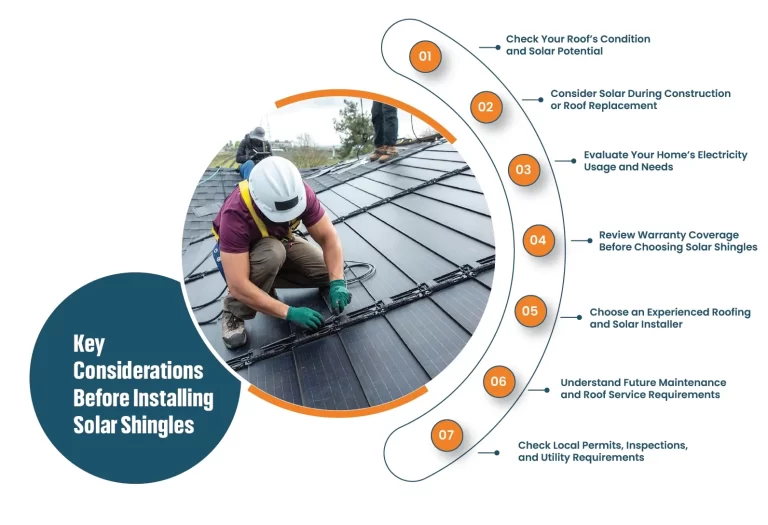
What should you check before installing solar shingles?
Before choosing residential solar shingles, look beyond appearance. Ask these questions:
Is my roof suitable?
Review roof orientation, slope, shading, usable area, structural condition, and roof layout.
Am I building a new home or replacing an old roof?
Solar shingles can be particularly relevant when roofing work is already part of the project.
How much electricity does my home use?
Your installer should evaluate historical electricity consumption and estimate expected solar production.
What is the product’s warranty?
Review roofing, solar production, equipment, and workmanship warranties separately.
Who will install it?
Ask whether the company has experience with both roofing and solar installations.
What happens if the roof needs service later?
Understand how repairs, maintenance, and future roof work will be handled.
What local permits and utility requirements apply?
Solar installations may require permitting, inspections, and utility approval depending on your location.
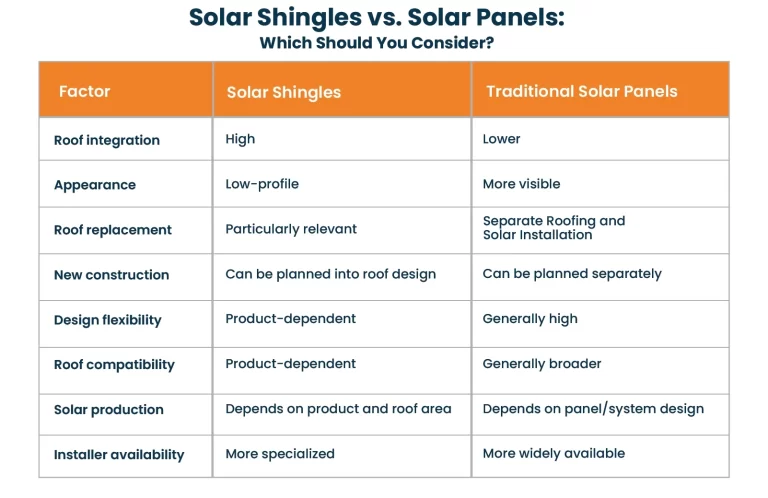
Solar Shingles vs. Solar Panels: which should you consider?
The decision should not simply come down to which technology is newer. Instead, compare the systems based on your actual project.
The right choice depends on the home, not simply the technology. For example, a homeowner replacing an aging roof may have a very different decision from someone with a relatively new roof that has plenty of remaining life.
How much electricity can solar shingles produce?
There is not one output figure for all homes. The amount of electricity generated by the solar panels depends on many variables, including the type of solar panel, the number of functional solar panels, the orientation of the roof, solar shading, the pitch of the roof, the weather conditions, among others. That is why homeowners should not base their selection of the system on the number of shingles or the size of the roof.
The Bottom Line on Solar Shingles
Solar shingles are not just another form of solar panels; rather, it means something different, another approach to residential energy. For someone building a new home, solar shingles can be considered from the earliest stages of roof and electrical design. In case you have to replace an old roof of your house, you will get the chance to consider both aspects of this process, and not treat them as two separate jobs.
Still, it is not necessary that solar shingles would always be the best decision for you and your property. Many factors such as roof design, energy consumption, potential shading, availability of products and installations services, and other issues need to be thoroughly considered.
Talk with a qualified solar professional like Solar SME about your roof, energy needs, and available solar roofing options to determine whether solar shingles are a practical fit for your home.
Solar SME is an experienced solar installer near you, offering tailored clean energy solutions according to your preferences. You can get a FREE Estimate of your solar savings with our smart solar calculator!
Check Your Solar Savings with our Smart Solar Calculator!
Start with a free tailored solar quote, compare brands and financing options, and explore your potential with zero obligation.
Related Articles:
In the United States, if you reside in a subdivision, planned community, or a building, you may be a part of the Homeowners Association, also known as HOA.
Tesla solar shingles may seem visually appealing, but it is essential to consider the pros and cons, Tesla roof tile costs, etc., according to your energy goals. We will compare solar roofs with solar panels to help you make a smart decision for your home.