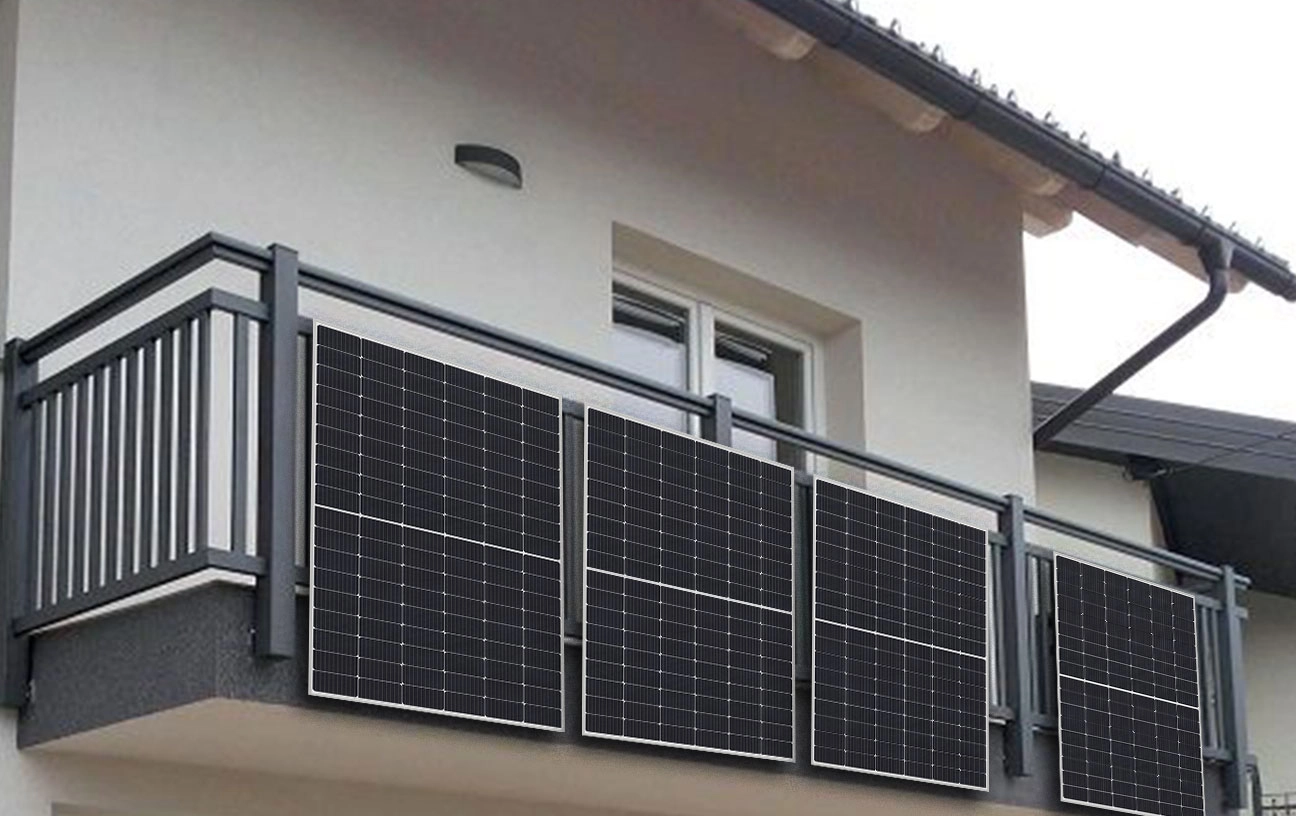
Balcony solar panels are changing how renters access clean energy in 2026. These plug-in solar systems require no roof or major installation, but how effective are they? Explore savings, setup process, legal considerations, and whether they make financial sense.
- Published On: August 20, 2026
Best Solar Pool Heaters: Top Energy-Efficient Options for Every Budget
Every pool owner knows the pain of a hot summer electricity bill. Conventional gas and electrical pool heaters can hike your electricity bills, and that’s especially true when the temperature drops and you try to extend the swim season for as long as possible. However, there’s a smarter choice right above your home which is sunlight.
Solar pool heaters will use solar energy to heat the water of your pool and reduce the costs of heating by up to 90%, besides the fact that solar pool heaters are maintenance-free. Are you too afraid to enjoy swimming since you know you’ll have to pay more for electricity?
This guide will explain how such systems work, how much they cost, and what brands are reliable.
What is a solar pool heater?
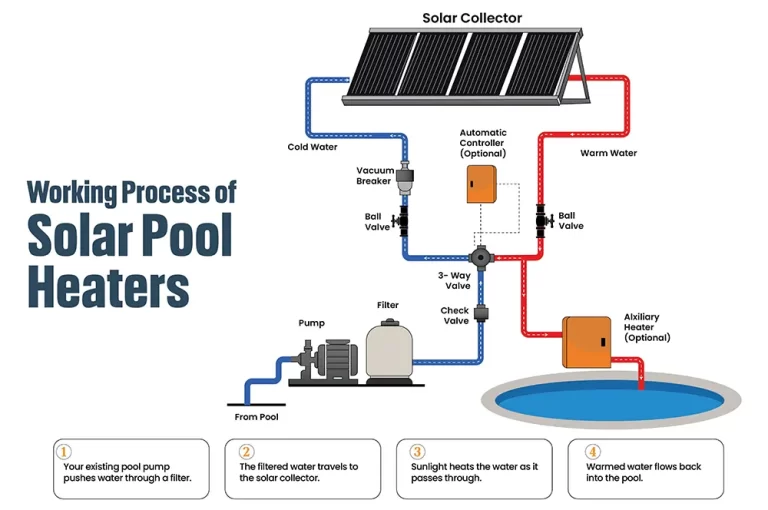
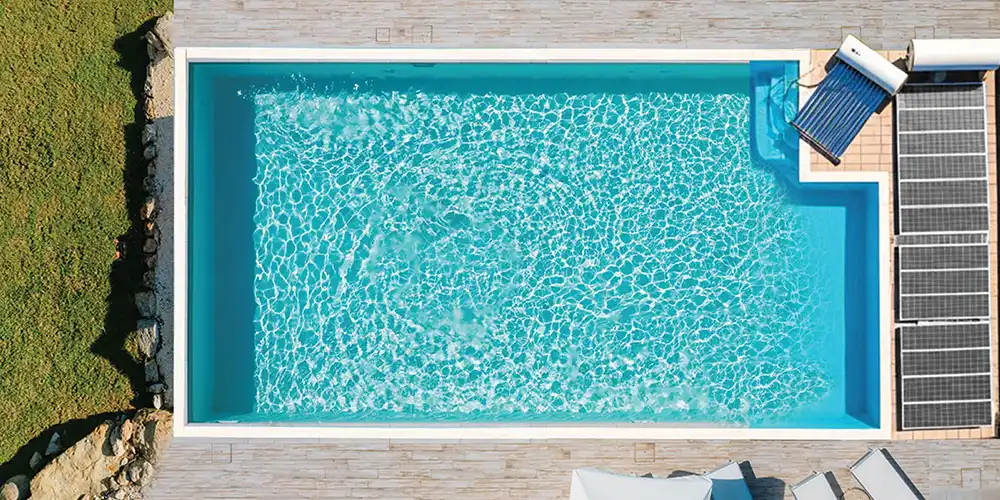
A solar pool heater is a device that uses your pool water circulation through solar panels installed on a roof or solar carport for the heating of the water. Unlike conventional solar panels on rooftops that provide energy generation, they are called thermal solar collectors panels.
Check Your Solar Savings with our Smart Solar Calculator!
Start with a free tailored solar quote, compare brands and financing options, and explore your potential with zero obligation.
How does a solar pool heating system work?
A combination of a sensor and an automatic flow control valve control the entire operation. Water passes through the collector only when the panel is hotter than the pool, which prevents wasting energy by circulating unheated water through the system.
The time it takes to heat the pool with a solar pool heater depends on its size, amount of sunshine and the desired temperature, and can range from a few hours to several days. To obtain the best results, the collector area should be between 50% and 100% of the pool’s area, and the panels must be oriented south.
Different types of solar collectors have unique specifications. Selecting the correct one is essential for optimal performance and costs.
Glazed Solar Collectors
Glazed collectors have copper tubing and aluminum plates covered with tempered glass. They are more costly but have excellent heat storage capacity, and operate effectively at low temperatures; hence, they are a good choice for people wishing to swim in late autumn or early spring.
Unglazed Solar Collectors
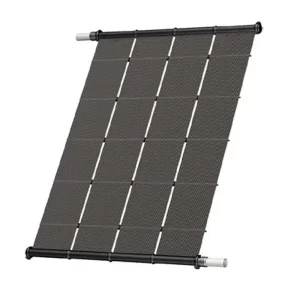
Uncoated solar collectors are constructed from UV-resistant rubber or thick plastic. They have a lower initial cost but work better in hot conditions and during the height of summer. If you have a short sunny pool season, uncoated collectors may be a good investment.
Solar Pool Heater vs. Gas Heater vs. Electric Heat Pump
If you’re weighing your options, here’s how solar stacks up.
Upfront Cost
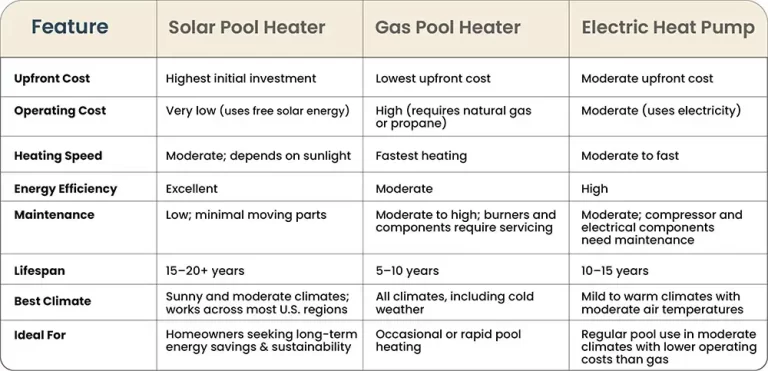
Gas heaters are usually the cheapest to install, followed by electric heat pumps, with solar systems might have higher upfront. But that first number doesn’t tell the whole story.
Operating Cost
This is where solar wins. Gas heaters burn through propane or natural gas quickly, and electric heat pumps still pull noticeable power from the grid. A solar pool heater sidesteps both of those ongoing expenses almost entirely.
Maintenance and Lifespan
Solar systems have fewer moving parts, no compressors, and no complex electrical components to fail. That translates into a longer service life, typically 10 to 20 years or more, compared to shorter lifespans for standard gas or electric units. Maintenance is mostly limited to keeping collector panels clean.
Climate Considerations
Solar pool heaters work well across most of the U.S., but performance depends on sun exposure. In colder regions, oversized collectors or glazed systems can extend the swim season, and pairing a solar heater with a backup gas or electric unit is a common workaround for cloudy stretches or deep winter use.
Factors to Consider Before Buying a Solar Pool Heater
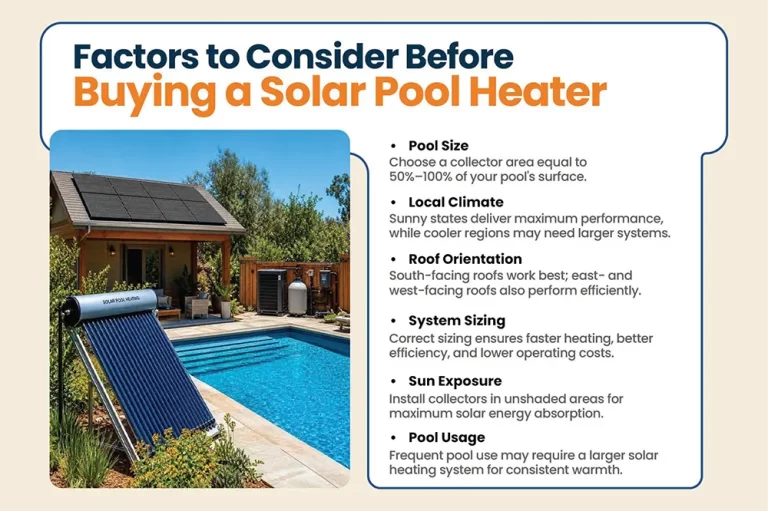
Choosing the best solar pool heater isn’t just about brand reputation. Consider these important factors before making a purchase.
Pool Size
Larger pools require larger collector areas. As a general rule, collector area should equal 50% to 100% of the pool’s surface area. Also, pools located in cooler climates may require even more collector space.
Local Climate
Homes in Arizona, Texas, Florida, California, and other sunny states often achieve excellent performance. However, solar pool heating also works surprisingly well in many northern states during spring, summer, and early fall.
Roof Orientation
South-facing roofs generally receive the most sunlight. East- and west-facing roofs can also provide excellent performance with proper system sizing.
Best Solar Pool Heater Brands to Consider
Not sure where to start shopping? These three brands consistently rank among the most trusted names in solar pool heating.
Heliocol Solar Pool Heaters
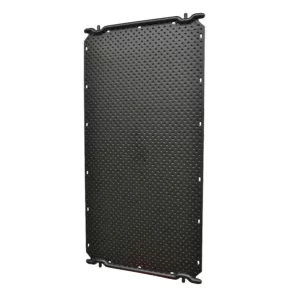
Heliocol has established itself as a trusted manufacturer of solar pool heaters, with its panels designed to last longer than 20 years. The systems are known for their leak-resistant, open flow, one-piece unibody design, which enhances durability and efficiency while remaining cost-effective. Thanks to its patented clamp assembly, Heliocol’s pool heating system can be mounted without the need for roof penetration.Heliocol offers a 12-year limited warranty with freeze protection, along with a lifetime limited warranty.
Top models include:
- HC-50: Designed for large pools, each panel measures 4-feet by 12.5-feet (50 square feet) and has a flow rate of 1,200 liters per hour.
- HC-40: Ideal for medium pools, each panel measures 4-feet by 10.5-feet (42 square feet) and has a flow rate of 900 liters per hour.
Thermax Solar Pool Heaters
Thermax Solar Pool Heaters are quickly gaining popularity among homeowners for their advanced technology and unique design, which directs water into a narrow space running through the whole panel, rather than individual tubes. Manufactured from ultra-durable, UV-stabilized potable grade high density polyethylene, its panels are designed to withstand harsh sun exposure and provide efficient heating, even in cooler climates.
Panels can be installed horizontally or vertically on any roof surface, accommodating angles from 0º to 90º.
The cost of installing a Thermax solar pool heater varies based on the system size and the complexity of the installation. The most popular models include:
- Thermax Solar Pool Heater – 10 Panel System: Designed for large pools, the 10-panel system has a flow rate of 300 to 500 liters per hour, with each panel measuring 3.6-feet by 6.5-feet.
- Thermax Extreme Solar Pool Heater – 8 Panel System: Ideal for large pools requiring maximum efficiency, the Thermax Extreme system features glazed solar thermal collectors, a closed loop system, and borosilicate glass panels designed to mitigate heat loss and still perform well in cold regions with less direct sunlight.
SwimJoy Solar Pool Heaters
SwimJoy also boasts an individual tube design and a unique square header shape that maximizes water flow and heat transfer. Its strapless flush mounting system and patented over-molding process eliminate the need for traditional strapping onto the roof and reduce the risk of leaks. The SwimJoy Industrial Grade Solar Pool Heater DIY Kit is available in various sizes and is designed for both inground and above ground pool heating.
Do solar pool heaters work in all U.S. climates?
Yes, there are some considerations. According to the Department of Energy, a collector that takes up 50% to 100% of the surface area of your pool is required, with bigger systems advised for homeowners who wish to swim in colder weather.
If your objective is to swim in a cold climate, combining your solar heater with a backup gas or electric heat pump will get the job done. This way, you have the lowest costs for most of the year, while having a backup on hand during long cold spells.
Should I consider investing in a solar pool heater?
For almost all Americans, the answer would be positive. High initial price is compensated after two-three years by saved money on heating or reduced electricity bills, and the simplicity of maintenance will help you save. If your pool and pumping system are installed, installing a solar collector on top would be one of the easiest modifications.
Before buying a system, evaluate your possibilities in terms of available roof or land space, climate conditions and duration of time when you need to heat a pool. It will help you choose the right collector for your particular case.
A solar pool heater will not only make your heating eco-friendlier; it will save your budget from overpaying for the heating system. Paybacks are reached after two to three years of operation, minimal maintenance and life expectancy which may extend up to 20+ years make solar heating systems an excellent investment for your pool.
Check Your Solar Savings with our Smart Solar Calculator!
Start with a free tailored solar quote, compare brands and financing options, and explore your potential with zero obligation.
Related Articles:
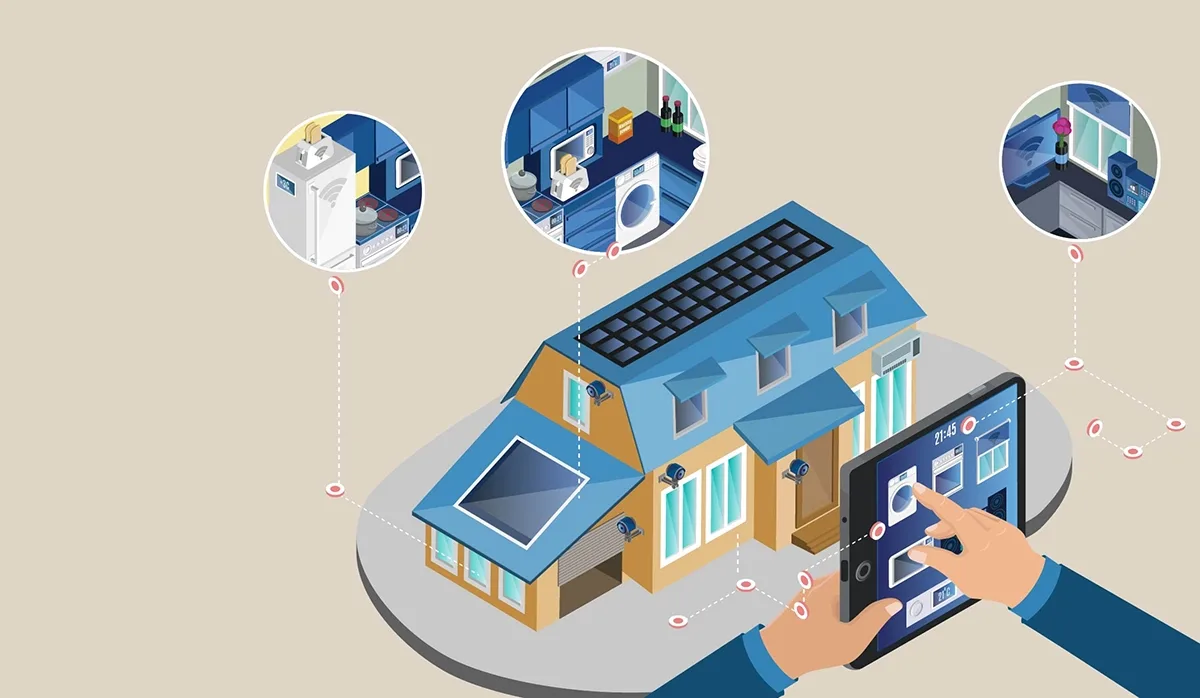
Smart home technology is revolutionizing the way of living by allowing homeowners to manage their power usage and making their home efficient. Ever imagine you can control all your home’s appliances by using your smartphone. Learn More!
Solar panel technology is entering a new era, driven by innovative breakthroughs transforming the energy landscape.