Get Solar Qualified With Our Smart Calculator!

GET ESTIMATE!

$0 Down, No Debt & No Payments for 12 Months, Power Up Smarter with New Solar Lease!

Electric Vehicles Adoption Challenges in the U.S.: What is Holding Back the Electric Revolution?

Electric vehicles (EVs) are heralded as the future of sustainable transportation, promising reduced carbon emissions and a cleaner environment. The electric vehicle revolution was intended to transform the face of roads across America. But the studies reveal a more complex picture. A recent AAA report found that roughly 63% of U.S. adults are unlikely to purchase an EV as their next car. Also, only 8% market share of new electric vehicles sold in 2025. But why are so many Americans not part of the electricity-powered transportation revolution yet?

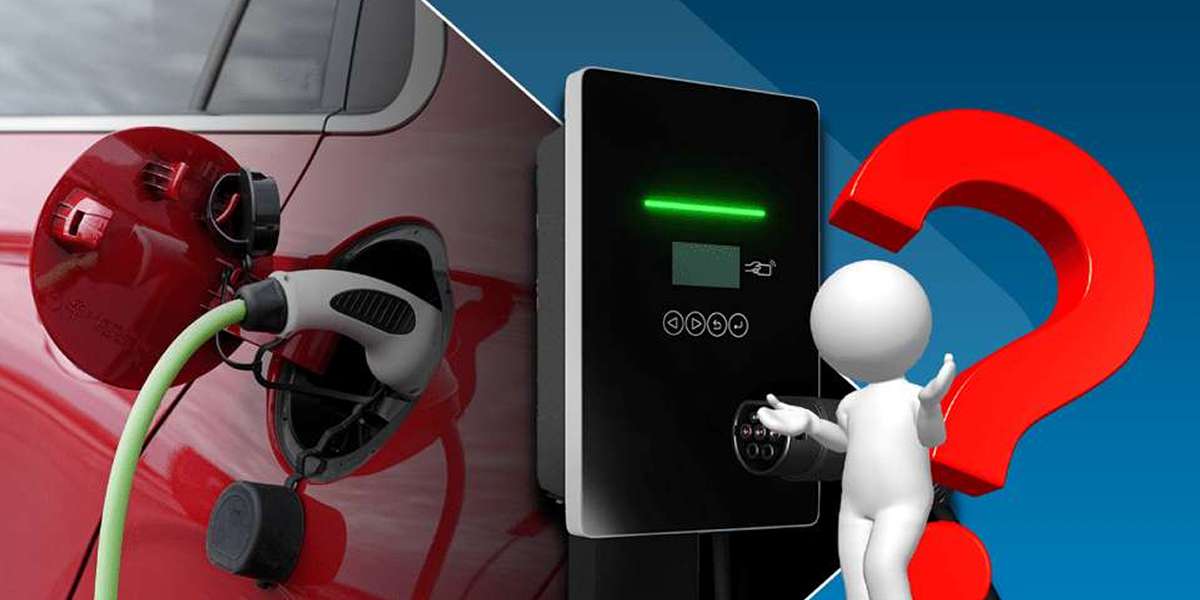
Electric Vehicle Adop

There is no single reason. Range anxiety and availability of charging points, cost to install EV chargers and apartment restrictions are common barriers for many U.S. homeowners. Even though advanced EV models are introduced by market leaders such as Tesla and GM Energy. However, people are still hesitant to invest in EVs. Many of these concerns are the outcome of old misconceptions about EVs. But some represent actual issues and the industry, policymakers, and manufacturers are actively working to resolve them.

The benefits of a transition from a conventional car to an electric vehicle are the reduction of carbon emissions and no concern with price fluctuations, there are hurdles to implementing this trend. In this article, we will explore the hurdles to the widespread adoption of electric vehicles and the how to overcome them.

What are the major roadblocks in Electric Vehicle adoption?

Despite increasing concern about clean environment initiatives, here are the top reasons restricting many people from switching to an EV: 

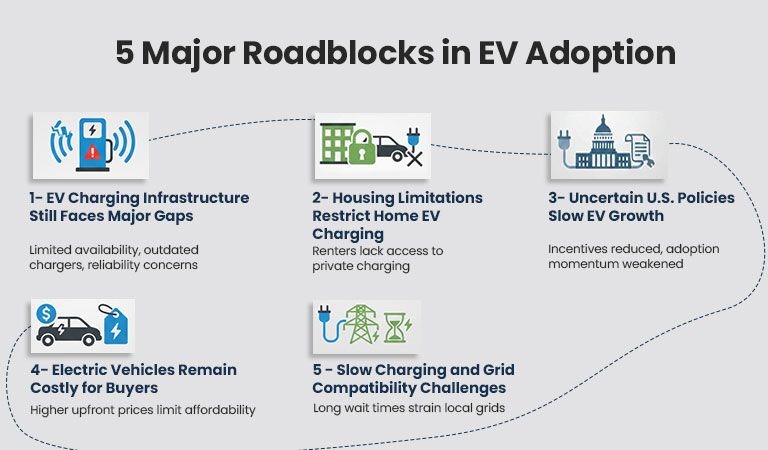
Roadblocks in Electric Vehicle adoption

1- U.S. Electric Vehicle Charging Infrastructure Challenges

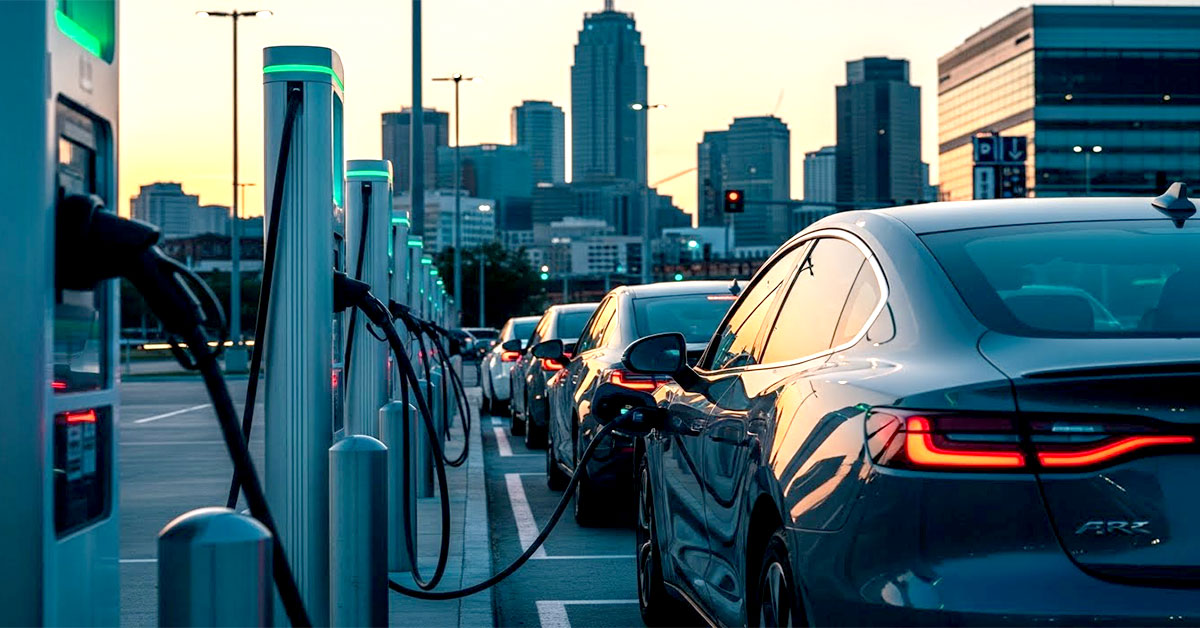
Whether it’s headsets, computers, or phones, when the batteries drain, we go into a panic.  Now, try to picture the same scenario with your car. Like you cannot carry an EV charging station with you wherever you go. Also finding a working EV charging station in close proximity becomes a tougher task. Range anxiety, or the fear of draining its batteries prior to reaching the charging station, has been a main concern for owners of EVs.  In many well-established areas, the EV chargers may be unreliable or outdated technology, and do not support modern electric vehicles. Nevertheless, the developments also continue to be underway.  According to a study, the number of owners of EVs who experienced an ineffective charging process decreased from 20% since 2021 to 14%.  The U.S. plans to increase 100,000 public fast EV charging stations by 2027, adding 17,000 public fast-charging stations in the coming years.  

2- Living Constraints for EV Adoption

In the United States, over 1/3 of the population consists of renters. They don’t have access to home EV charging. According to the AAA survey, 27% of Americans stated that the difficulty of installing a home charger is a major hurdle for them.  However, some innovative charging solutions are already emerging, like EVMatch. It works on the principles of Airbnb for EV chargers. It gives drivers access to chargers from residences and businesses that they might not otherwise have. 

3- Limited U.S. Policies for Electric Vehicles

Countries like Norway, Sweden, and China etc offer various benefits for EV drivers, including tax breaks, free charging, and parking discounts. On the other hand, the U.S. policies are unstable. Recently, on December 31, 2025, the federal tax credit, which was the biggest EV incentive, expired. As a result, vehicles are going to become more expensive, and it’s going to slow down electric vehicle adoption as well. But despite these rollbacks, several companies are also planning to mitigate the loss of the tax credit. Even the EV charger installers like Solar SME are offering discounts for pairing your solar with a home EV charging station. Furthermore, many local utilities are also offering rebates. 

4- Cost of Electric Vehicle

Internal combustion engines are still less expensive than electric vehicles on the entry-level EV market. The cost of an EV isn’t all that much higher when compared to brand-new, modern models. However, it will be difficult to locate an electric car if you are searching for a high-quality, reasonably priced vehicle. Additionally, BYD, a Chinese company, is making a $10,000 electric vehicle known as the Seagull, but it cannot be sold in the United States due to new tariffs and security concerns. 

5- Charging Speed and Compatibility

EV charging times are also a major problem. Long queues at public stations can be a barrier, even while EV charging at home is convenient for everyday use. However, the cost to install an EV charger at home might be a considerable factor. Also, local energy grids may be burdened by the rapid adoption of EVs, resulting in power outages or higher costs.  

How to increase Electric Vehicle adoption in the United States?

As the global shift towards electric mobility continues, addressing the challenges of EV infrastructure becomes increasingly important. Here are a few initiatives that can lead to the e-mobility trend: 

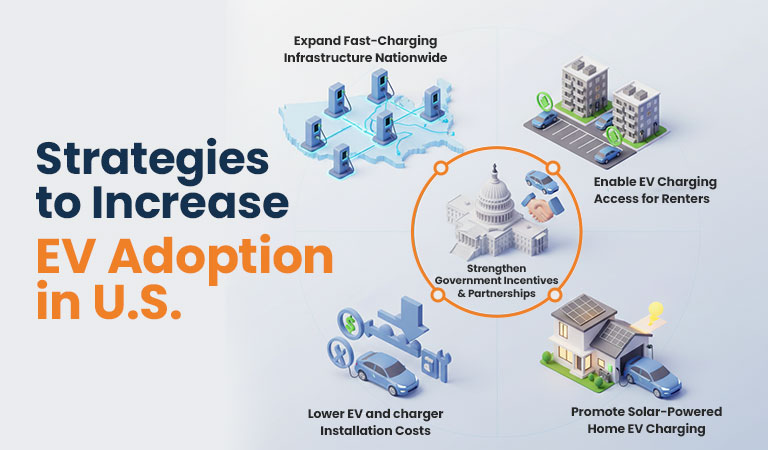
strategies to increase EV trend

1- To address the charging infrastructure challenge, we need to expand the availability of fast-charging stations, particularly in rural and less densely populated areas. Additionally, advancements in EV battery technology to increase range are also vital. 

2- For renters, there must be a policy that allows them to have the ability to install their EV charger where they park their car. Furthermore, buildings can also provide the facility for an EV charging station.

3- To fill the infrastructure gap, there is a need for public-private partnerships, investments, as well as government incentives.

4- For offsetting the cost of the EV challenge, incentives and standardized installation procedures may improve penetration. Moreover, governments need to make permitting easy through guidelines and incentives for EV infrastructure projects.

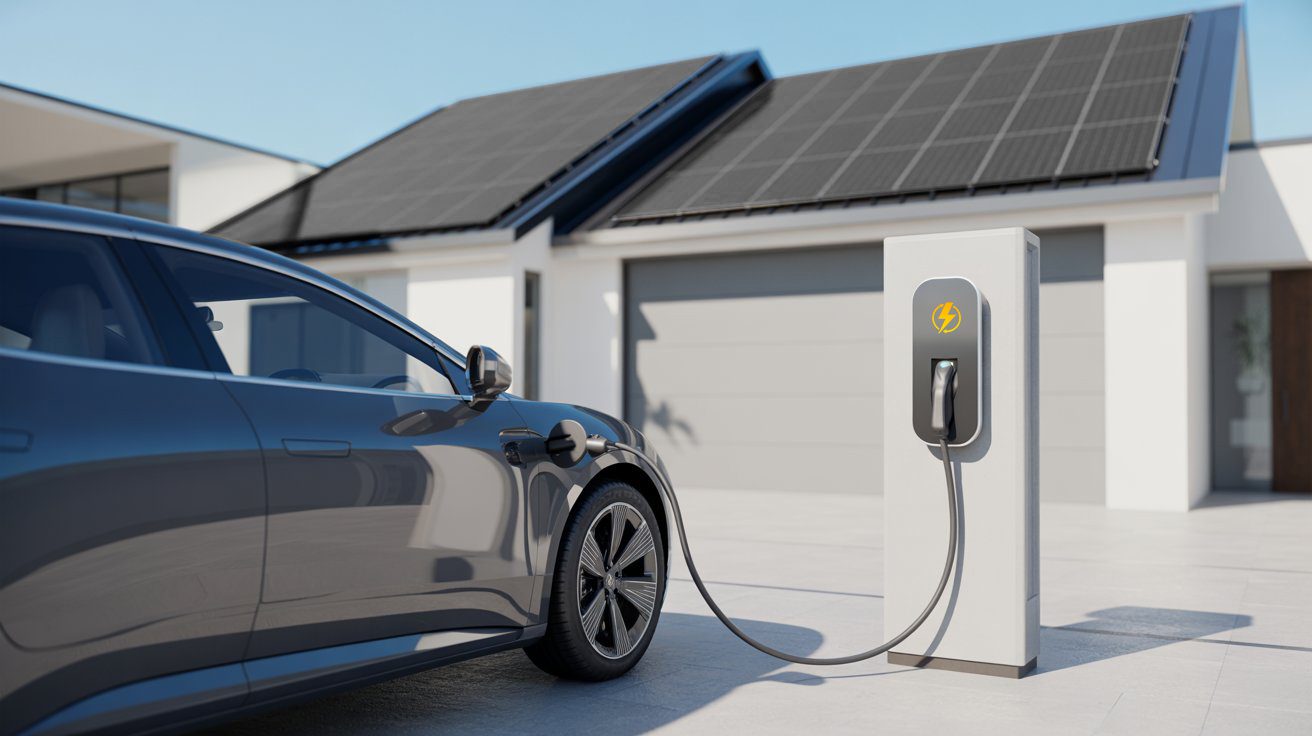
5- Solar EV charging at home has emerged as a prudent and environmentally friendly solution. When you integrate a home solar panel system with an EV charger, your vehicle can directly charge for free and unlimited sunlight, reducing not only our electricity expenses but also saving from charging station hustles and high prices.

By addressing the impact that the electrification of multiple industries will have on the grid, developing adequate charging infrastructure, and streamlining EV battery manufacturing, it will be possible to have widespread EV adoption and reduce emissions. Considering the steps to use EVs and EVSE in a safe way to ensure the longer lifespan of EV equipment is also important for its adoption. By putting in effort and investment, we can make transportation innovation for a sustainable, clean, and efficient environment. The road ahead may be challenging, but the destination promises a greener and cleaner world for all.

Solar SME is your local solar partner offering the best EV charging solutions for homes and businesses. You can book a FREE appointment with Solar SME!

Related Articles:

The trend of electric vehicles is booming in the U.S. as an EV offer more sustainable and cleaner source of transportation.

What if your car could power your home during blackouts? Or, supply excess energy to the grid during peak hours?

When you integrate a home solar panel system with an EV charger, your vehicle can directly charge for free and unlimited sunlight, reducing not only our electricity expenses but also saving from charging station hustles and high prices. Explore how it works!

Scroll to Top